
The Protein Push: More Than Just a Gym Fad
Protein has officially moved from the gym bag to the grocery basket. Once the domain of athletes and bodybuilders, protein is now a mainstream priority for everyday Indian consumers, including students, working professionals, and even seniors. A 2026
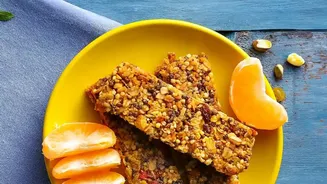
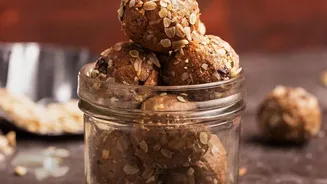
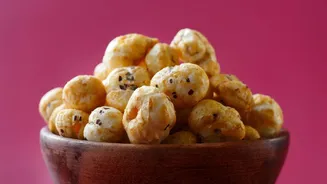
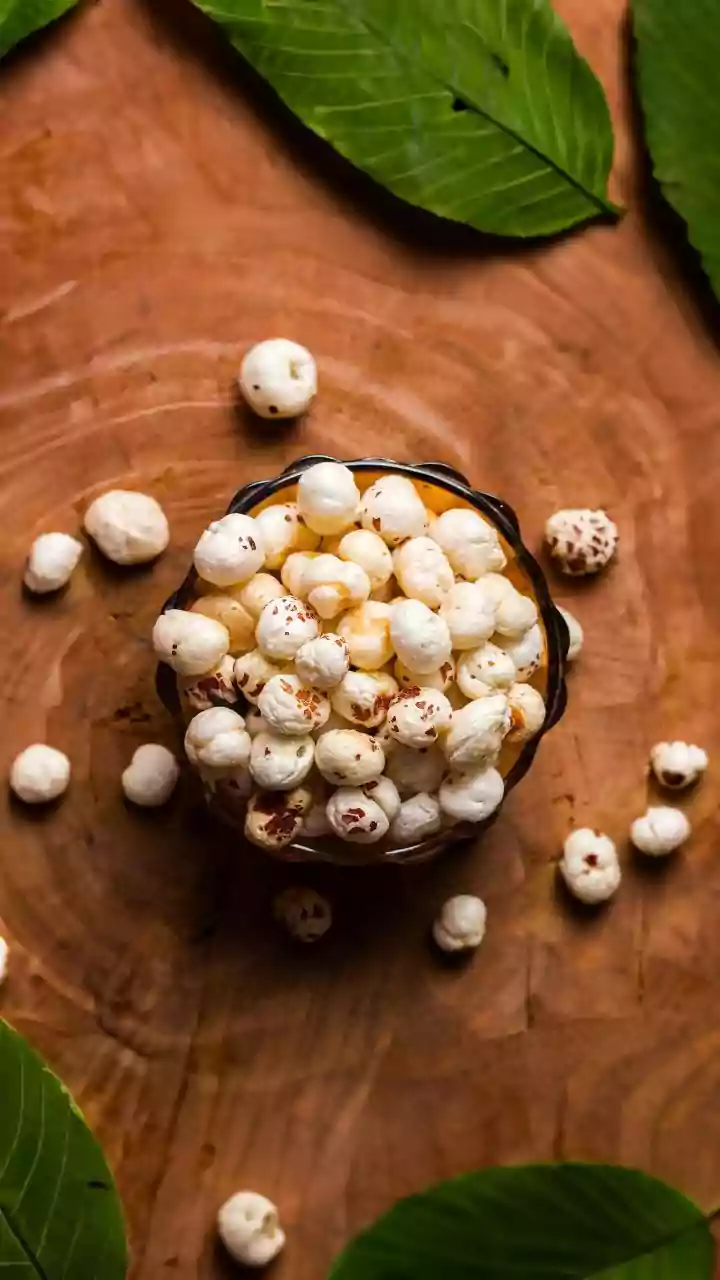
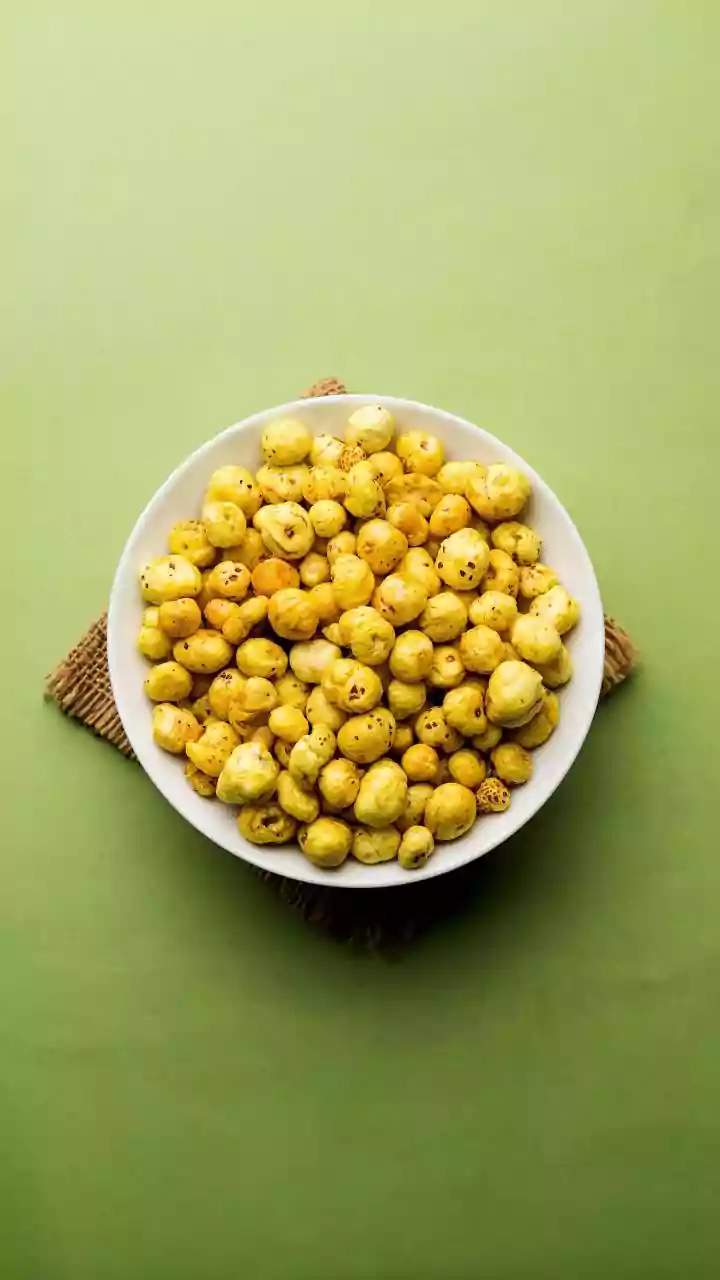
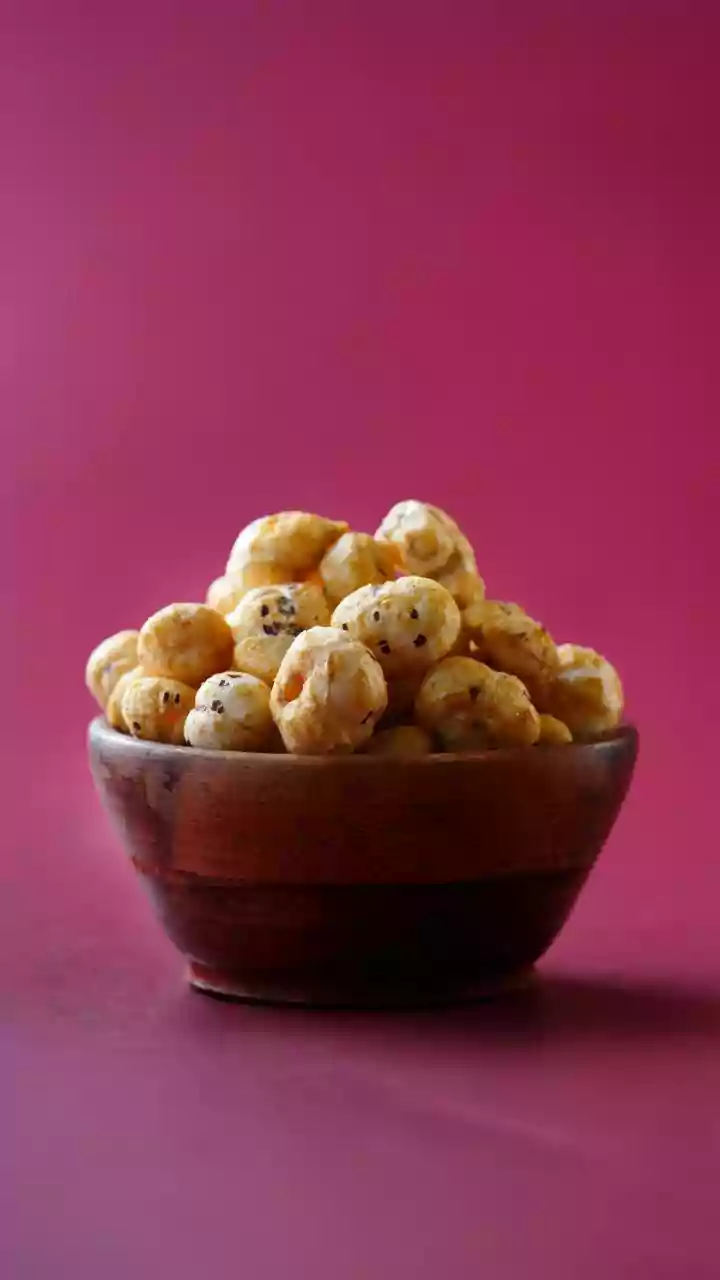
survey found that a staggering 86% of respondents considered protein an important factor when choosing a snack. This shift is rooted in a growing awareness of protein's role in overall wellness, muscle health, and weight management. Indian diets, often rich in carbohydrates, are now being supplemented with protein-rich options. This trend is visible on supermarket shelves, with the rise of everything from Greek-style yoghurt and protein bars to traditional snacks like makhana (fox nuts) and roasted chana being marketed for their protein content. Brands are responding by fortifying snacks and launching new product lines that cater specifically to this demand, indicating that functional, protein-rich snacking is no longer a niche but a fundamental consumer expectation.
The Convenience Craze: Snacking for a Hectic Life
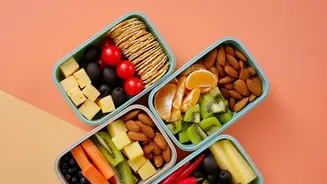
As urban life gets busier, convenience is king. The demand for on-the-go food options is a primary driver of the Indian snacks market. Hectic work schedules, longer commutes, and the rise of nuclear families mean consumers have less time for traditional meal preparation. This has fueled a massive expansion in the convenience food sector, which includes everything from ready-to-eat meals to easy-to-carry snack bars and frozen bites. The Indian convenience food market is projected to see robust growth, driven by this need for time-saving solutions. Consumers are looking for snacks that are not only quick to eat but also portable and portion-controlled, fitting easily into a tiffin box or a handbag. This has led to innovation in packaging and formats, with brands offering single-serve packs and products that require minimal to no preparation. The growth of quick commerce has further amplified this trend, making it easier than ever for consumers to get their snack fix in minutes.
The Transparency Takeover: A Demand for Clean Labels
Today's consumer is a conscious consumer. There is a growing demand for transparency in the food industry, with people wanting to know exactly what is in their food. This trend, often called the 'clean label' movement, involves a preference for products with simple, natural, and recognizable ingredients. Indian shoppers are increasingly reading labels, checking for artificial additives, preservatives, and high sugar content before making a purchase. This heightened awareness is pushing brands to reformulate their products, removing synthetic chemicals and opting for natural alternatives. Studies show that a significant number of consumers are willing to switch to brands that provide in-depth product information, going beyond what is printed on the physical label. This extends to sourcing, with a growing interest in where ingredients come from and the sustainability of the product. As a result, terms like 'organic', 'natural', and 'no artificial ingredients' are becoming powerful drivers of choice in the snack aisle.
The Modern Snack: Healthy, Quick, and Honest
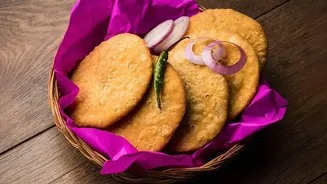
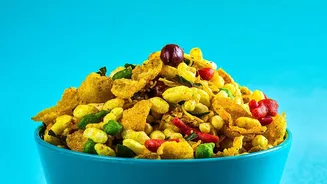
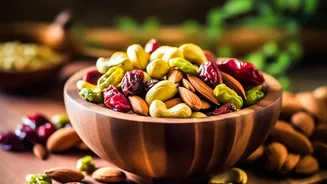
These three pillars—protein, convenience, and transparency—are not working in isolation. They are converging to shape the ideal modern Indian snack: a product that is nutritionally beneficial, easy to consume, and made with ingredients you can trust. The market is evolving beyond just replacing traditional fried namkeen with baked alternatives. We are seeing the rise of millet-based snacks, nut and seed mixes, and functional foods that offer specific benefits like improved gut health or immunity. Health and indulgence are now co-existing; a consumer might choose a healthy, protein-rich snack for a weekday afternoon but opt for a more traditional, indulgent treat for a weekend gathering. This multifaceted demand means the most successful brands are those that can deliver on taste while aligning with the modern values of wellness and honesty. The snack is no longer just a snack; it's a small but significant lifestyle choice.