



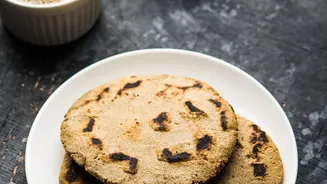
The Mighty Millet Makeover
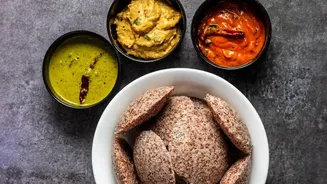
For generations, millets like jowar (sorghum), bajra (pearl millet), and ragi (finger millet) were staple grains across India. Now, these ancient grains are making a major comeback in modern kitchens, and for good reason. Millets are celebrated as nutritional
powerhouses, offering a superior profile compared to refined wheat flour. They are generally rich in dietary fibre, protein, and essential minerals like iron, calcium, and magnesium. This high fibre content aids in digestion and promotes a feeling of fullness, which can help with weight management. Plus, millets are naturally gluten-free, making them an excellent choice for those with gluten sensitivities.
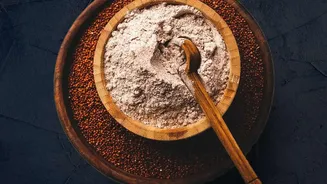
Know Your Flours
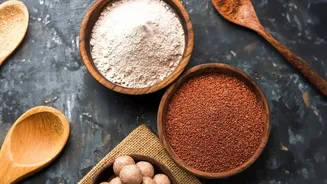
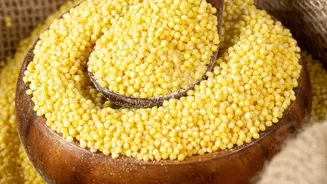
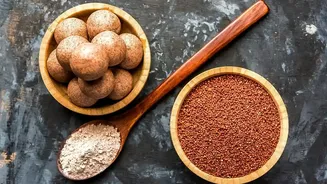
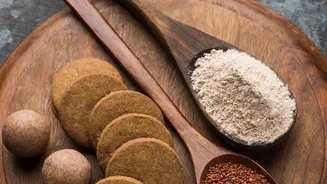
Not all millets are created equal; each has a unique flavour and set of properties that can transform your snacks. Ragi, known for its high calcium content, has a distinct earthy flavour. Jowar is milder in taste and provides a good amount of protein and fibre. Bajra has a robust, nutty taste and is particularly rich in iron and protein, making it very satiating. Other varieties like foxtail millet are rich in iron and support heart health, while barnyard millet is light and aids in digestion. Understanding these differences is the first step to creating the perfect blend for your savoury creations. Rotating through different millets ensures a wider range of nutrients in your diet.
The Art of the Perfect Blend
You can't simply replace wheat or rice flour with millet flour on a one-to-one basis and expect the same results. Millets lack gluten, the protein that gives wheat dough its elasticity. A 100% millet dough can be tricky to handle and may result in dense, hard snacks. The secret lies in the blend. A good starting point for beginners is to mix 30% millet flour with 70% of your usual flour (like whole wheat or rice flour). As you get more comfortable, you can increase the millet proportion. For a multi-millet blend, combining a sturdy flour like jowar with a flavourful one like bajra and a small amount of a binding flour like rice or chickpea flour (besan) often yields great results. This combination balances nutrition, flavour, and structure.
Secrets to Achieving Maximum Crispiness
Achieving that signature crunch with millet flours is entirely possible with a few key techniques. One crucial tip for making dough with 100% millet flour is to use hot water. Hot water helps gelatinize the starches in the flour, making the dough more pliable and less prone to cracking. When making crackers or mathri, rubbing a bit of warm oil or ghee into the dry flour mix before adding water creates a 'short' texture, leading to a flakier, crisper bite. For deep-frying, maintaining a consistent medium heat is essential. If the oil is too hot, the snacks will brown quickly on the outside but remain uncooked inside. If it's not hot enough, they will absorb excess oil and become greasy. For baking, rolling the dough thinly and evenly is key to a uniform crunch.
Classic Savouries, Reimagined
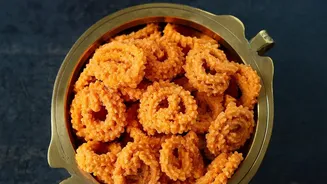
Now, let’s apply these principles to some beloved snacks. For a crispy chakli or murukku, a blend of ragi flour and rice flour works wonderfully, with the rice flour providing the necessary crispness. For mathri, a bajra flour dough seasoned with carom seeds (ajwain) and black pepper can be rolled thin and baked for a healthier, yet crunchy, alternative to the fried version. You can even make delicious baked crisps using cooked little millet, which is mashed into a dough, passed through a murukku press, and then baked until golden. Don't be afraid to experiment with different millet blends and spices to find the perfect combination that satisfies your craving for traditional savouries with a healthy, modern twist.