






An Escape from Airport Anxiety
For many, the modern air travel experience has become a gauntlet of stress. From long queues at security to the anxiety of lost baggage and the squeeze of cramped seating, the process can feel more like an endurance test than the start of a vacation.
Train travel offers a compelling alternative. Boarding is often a simple case of walking onto the platform minutes before departure, without the intrusive security checks or the two-hour pre-flight buffer. Train stations are typically located in city centres, eliminating the costly and time-consuming transit to airports on the urban fringe. This fundamental difference in logistics means the journey starts the moment you board, not after two hours of waiting.
The Green Conscience of Travel
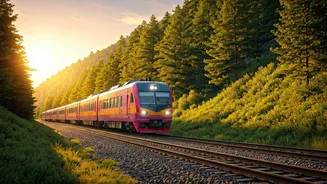
As awareness of our carbon footprint grows, many travellers are grappling with 'flight shame'—a term that originated in Sweden to describe the guilt of flying in the face of climate change. Rail travel presents a powerful, sustainable alternative. On average, travelling by train produces significantly fewer carbon emissions per passenger than flying, with some studies suggesting a reduction of up to 90%. This is because trains are more energy-efficient and are increasingly powered by electricity, which can be sourced from renewables. For environmentally conscious travellers, choosing the train is no longer just a preference but a deliberate action to lessen their impact on the planet.
Embracing the 'Slow Travel' Philosophy
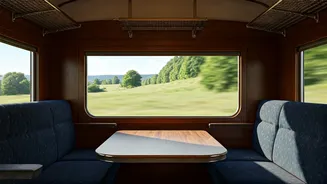
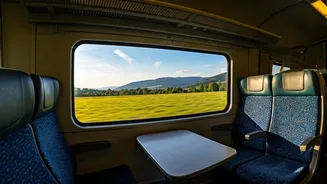
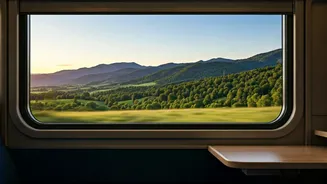
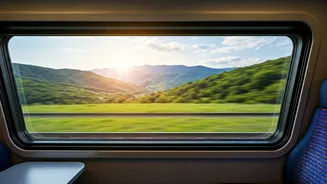
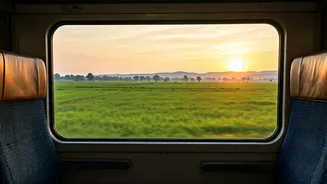
The resurgence of rail is also tied to the growing 'slow travel' movement, which prioritises connection and experience over speed. Unlike a flight, which essentially teleports you between two points, a train journey keeps you connected to the world outside your window. The landscape unfolds gradually, offering a sense of place and perspective that is lost at 30,000 feet. This pace allows for a different kind of travel—one where the journey is an integral part of the destination. It fosters a more mindful state, providing time to read, work, or simply watch the world go by without the frantic rush that defines other modes of transport.
A Renaissance in Comfort and Connectivity
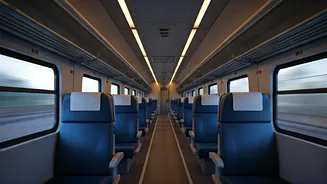
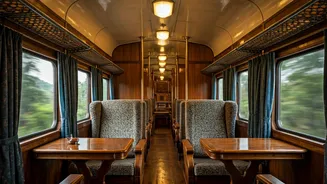
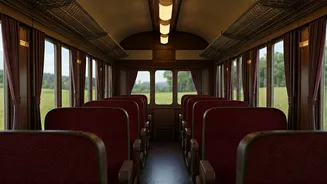
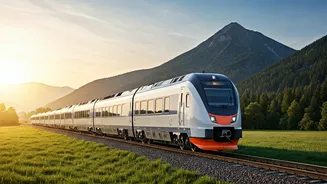
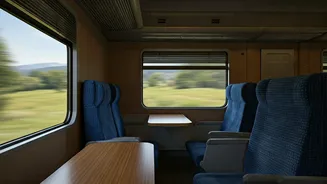
Rail operators globally are investing heavily to meet this renewed demand. In Europe, sleeper trains are making a major comeback, offering private cabins and the ability to travel long distances overnight, saving both time and the cost of a hotel. Modern trains offer amenities that rival, and often surpass, airlines, including more legroom, free Wi-Fi, power outlets at every seat, and dining cars. In India, the introduction of the Vande Bharat Express has been a game-changer, offering semi-high-speed travel with world-class amenities and reduced journey times, making train travel a competitive option even on routes with frequent flights. These advancements are transforming the perception of rail from a nostalgic option to a modern, efficient, and comfortable choice.
The Real Economics of the Journey
While flight prices can sometimes appear cheaper at first glance, the final cost is often much higher. Airlines have mastered the art of unbundling, with extra fees for checked baggage, seat selection, and meals quickly adding up. In contrast, train fares are typically more transparent and inclusive, with generous luggage allowances. When you factor in the additional expense of getting to and from out-of-the-way airports, the train often emerges as the more economical choice, particularly for short- to medium-haul journeys. This straightforward pricing, combined with the overall experience, makes rail a high-value proposition for savvy travellers.