




Monsoon Gardening 101
Before you start sowing, it’s crucial to prepare for the unique challenges of the rainy season. The primary concerns are waterlogging, which can rot roots, and increased pests and fungal diseases due to high humidity. First, ensure excellent drainage.
If you're using pots, make sure they have plenty of holes. For garden beds, consider creating raised beds to keep the roots above soggy ground. Second, perfect your soil mix. A light, well-draining potting mix is key. Combine equal parts garden soil, coco peat (which retains moisture without becoming waterlogged), and compost. Adding a bit of sand can further improve drainage. Finally, be proactive about pests. Regularly inspect your plants for signs of trouble and consider using a natural pesticide like neem oil spray every 10-15 days as a preventative measure.
1. Bhindi (Okra)
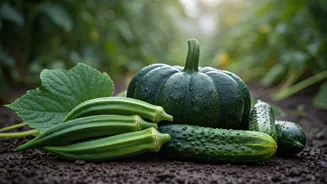
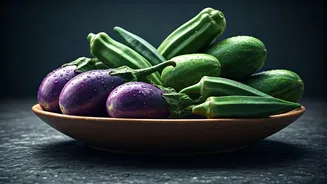
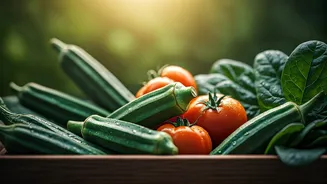
A staple in Indian kitchens, Bhindi is a warm-weather crop that absolutely flourishes in the humidity of the monsoon. It’s relatively low-maintenance and resistant to many common pests, making it a fantastic choice for beginners. Plant the seeds directly into your pots or garden beds, about an inch deep and spaced a few inches apart. Okra plants need at least 5-6 hours of sunlight, so place them in the sunniest spot you have. The soil should be kept moist but not waterlogged. You can expect to start harvesting the tender, young pods about 50-60 days after sowing. Harvest them regularly to encourage the plant to produce more.
2. Gourds (Lauki, Karela, Turai)
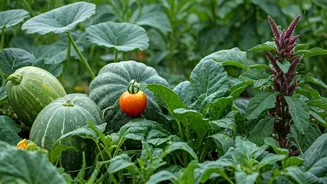
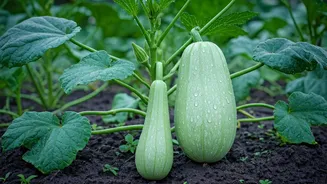
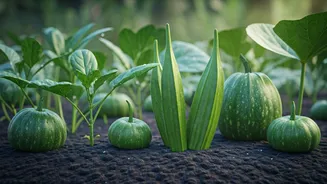
The gourd family is synonymous with monsoon gardening in India. Bottle Gourd (Lauki), Bitter Gourd (Karela), and Ridge Gourd (Turai) all have climbing vines that love to spread during this season. Because they are climbers, they require a strong support structure or trellis. This is beneficial as it keeps the leaves and fruit off the wet ground, preventing rot and fungal infections while ensuring good air circulation. Sow 2-3 seeds together in a mound and provide support once the saplings start producing tendrils. These vegetables are prolific producers, and you’ll have a steady supply for your sabzis and curries throughout the season.
3. Leafy Greens (Palak, Amaranth)
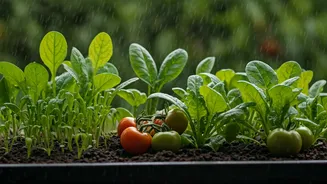
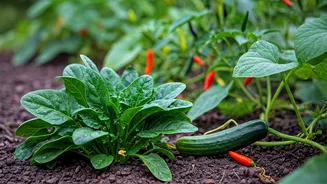
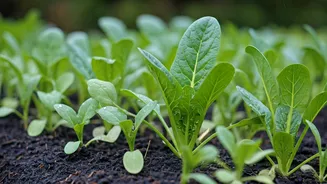
While many leafy greens can be sensitive to heavy rain, Spinach (Palak) and Amaranth (Chaulai) are robust enough to handle the monsoon if managed correctly. They grow incredibly fast in the cool, moist conditions. The key is to protect them from direct, heavy downpours which can damage their delicate leaves. Consider planting them in containers that can be moved to a covered patio or under an overhang during a heavy storm. Ensure the soil is rich in nitrogen to promote lush leaf growth. You can start harvesting leaves in as little as 3-4 weeks, snipping the outer leaves and allowing the plant to continue producing from the centre.
4. Beans (French Beans, Cluster Beans)
Beans are another excellent choice for a monsoon vegetable patch. Both bush and pole (climbing) varieties do well. French Beans and Cluster Beans (Gawar) are particularly popular. They are relatively easy to grow from seed and mature quickly. A major advantage of planting beans is their ability to fix nitrogen in the soil, which naturally enriches it for future crops. For small spaces like balconies, bush varieties are ideal as they are compact and don't require extensive support. Plant seeds directly into the soil, and you'll see them sprout within a week. Keep an eye out for slugs and snails, which are more active in the damp weather.
5. Radish (Mooli)
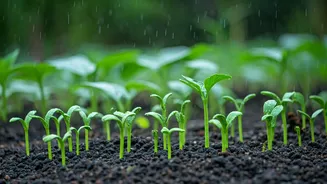
Root vegetables can be tricky during the monsoon due to the risk of rot, but Radish is a fast-growing exception that works well. It matures so quickly (often within 30-45 days) that it can be harvested before major waterlogging issues set in. The most critical factor for success with Mooli is loose, well-draining soil. If your soil is heavy or clay-like, the root will struggle to develop properly. Sow the seeds directly in rows, and thin out the seedlings once they sprout to give the roots enough space to grow. Both the root and the leaves are edible, making it a zero-waste crop.