


The Allure of Acidity and Aroma
What makes passion fruit so special for baking? It comes down to its unique combination of flavour, aroma, and acidity. Unlike single-note sweet fruits, passion fruit delivers a complex, tangy punch that can balance rich ingredients like butter, cream,
and sugar. Its bright acidity works much like lemon juice, cutting through richness and preventing desserts from becoming overly sweet. This makes it a perfect companion for creamy textures found in cheesecakes, mousses, and panna cottas. The vibrant golden-yellow pulp also adds a stunning, natural colour to any creation, while its intense tropical fragrance creates an immersive sensory experience before the first bite is even taken.
From Whole Fruit to Perfect Pulp
Working with fresh passion fruit is simple. When buying, look for fruits that feel heavy for their size, which indicates they are full of juice. A slightly wrinkled skin is often a sign of ripeness. To get to the pulp, simply slice the fruit in half and scoop out the gelatinous interior with a spoon. At this point, you have a choice to make regarding the seeds. The black seeds are completely edible and provide a delightful crunch and visual appeal. Leaving them in is perfect for rustic toppings or fillings. If you need a smooth consistency for a fine glaze or a silky mousse, you can easily remove the seeds by pushing the pulp through a mesh strainer with the back of a spoon. Warming the pulp gently in a saucepan for a few minutes can make this process even easier, as it helps the juice release from around the seeds.
Creating Glazes That Glisten
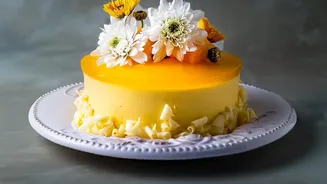
A passion fruit glaze is one of the easiest ways to elevate a simple bake. For a quick, glossy icing, you only need two primary ingredients: passion fruit pulp and icing sugar. A common ratio is about one part pulp to three parts sifted icing sugar, whisked together until smooth. A teaspoon of hot water or melted butter can be added to achieve the perfect pourable consistency. If the glaze is too thin, add more sugar; if it's too thick, a little more pulp or water will loosen it. For a more concentrated flavour and thicker texture, you can simmer the pulp (with or without sugar) on low heat for five to seven minutes. This reduction is ideal for glazes that need to set firmly on cakes, tarts, and doughnuts.
Mastering Light and Airy Desserts
Passion fruit truly shines in light, no-bake or chilled desserts where its fresh flavour isn't diminished by intense heat. It is a star ingredient in mousses, where its acidity cuts through the richness of cream and condensed milk. Many classic recipes from Brazil simply involve blending pulp with condensed milk and cream for a dessert that is both simple and sophisticated. It's also a perfect partner for cheesecakes, either swirled into the filling or, more commonly, poured on top as a vibrant jelly layer or sauce. Other excellent pairings include panna cotta, where the tangy fruit balances the creamy dessert, and trifles, where it can be layered with sponge cake and custard. The key is to use it in preparations that complement, rather than overpower, its delicate and aromatic profile.
Beyond the Basics: Curds and Fillings
For home bakers ready to take the next step, making a passion fruit curd is a game-changer. A curd is a thick, custard-like spread made by cooking fruit juice with eggs, sugar, and butter. Adding passion fruit pulp directly into cake batter can sometimes make it soggy, but folding in a stable, concentrated curd ensures a powerful flavour without compromising texture. This curd can then be used as a luscious filling for layer cakes, a topping for scones, a swirl in brownies, or the base for a magnificent tart. It stores well in the refrigerator and offers a versatile way to have a burst of tropical flavour ready to go for any baking project.