






The Foundation of Your Rights
Your protections as an air passenger in India are not just airline policy; they are legally binding regulations. These rules are detailed in the Civil Aviation Requirements (CAR) issued by the Directorate General of Civil Aviation (DGCA), specifically
Section 3, Series M, Part IV. The Ministry of Civil Aviation also publishes these rules in a more user-friendly format known as the Passenger Charter. This charter applies to all airlines operating flights to, from, and within India, regardless of the airline's nationality. It covers three main scenarios: flight delays, flight cancellations, and denied boarding due to overbooking. Understanding these official regulations is the first step toward ensuring you receive what you're entitled to when travel plans go awry.
What You're Owed During a Delay
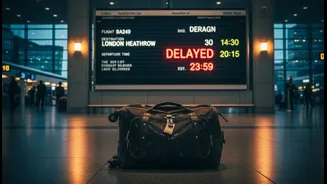
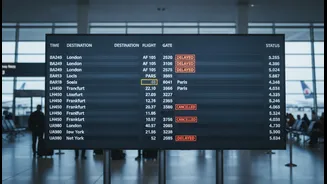
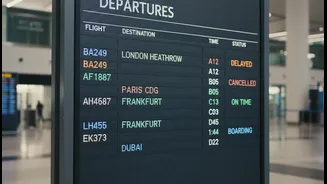
When your flight is delayed, your right to care from the airline is tiered based on the length of the wait. It's important to note that for delays, airlines are obligated to provide care, not cash compensation. If your flight is delayed by two hours or more, the airline must provide you with free meals and refreshments. If the delay extends beyond six hours for a domestic flight, you have the right to choose between a full refund of your ticket or an alternative flight. For significant overnight delays, particularly for flights scheduled between 8 p.m. and 3 a.m. that are delayed by more than six hours, the airline is also required to provide free hotel accommodation and transport to and from the airport. These are obligations, not goodwill gestures.
Navigating Flight Cancellations
Flight cancellations can trigger rights to both a refund and monetary compensation, depending on how much notice you were given. If the airline informs you of the cancellation less than two weeks but more than 24 hours before departure, they must offer you an alternate flight or a full refund. The real financial implications kick in with last-minute changes. If the cancellation is announced less than 24 hours before departure, you are entitled to a full refund plus additional compensation. This compensation can range from ₹5,000 to ₹10,000, depending on the flight's block time. For passengers who miss a connecting flight due to a cancellation, airlines must provide compensation and arrange for an alternative flight.
The Overbooking Scenario: Denied Boarding
Airlines sometimes sell more seats than are available, leading to passengers being denied boarding. If you are involuntarily bumped from a flight you paid for, the DGCA has specific and significant compensation rules. Airlines must first ask for volunteers to give up their seats. If you are denied boarding against your will, you are entitled to an alternate flight. If the arranged flight gets you to your destination within 24 hours of your original arrival time, you are owed compensation of up to 200% of your base fare plus fuel charge, capped at ₹10,000. If the alternate flight is more than 24 hours later, this compensation doubles to 400% of the fare, capped at ₹20,000. You are also entitled to a full refund if you choose not to travel on the alternate flight.
How to Claim Your Rights and Escalate Issues
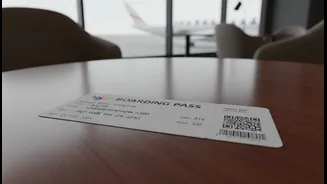
Knowing your rights is only half the battle; you must also know how to claim them. The first step is always to approach the airline staff at the airport. State your situation and the specific entitlement you are claiming based on DGCA rules. If the airline staff is unresponsive or denies a legitimate claim, document everything. Keep your boarding pass, receipts for any expenses incurred, and a record of whom you spoke to. The next step is to file a formal grievance through AirSewa, the government's official portal for aviation-related complaints. This can be done via the AirSewa website or mobile app and creates an official record that airlines are required to address. If this fails, you can escalate the matter to consumer courts.
Exceptions to the Rules
It is crucial to understand that airlines are not required to pay monetary compensation if the disruption is caused by 'extraordinary circumstances' beyond their control. These situations, often referred to as force majeure events, include things like severe weather, political instability, security risks, or directives from air traffic control. However, even in these cases, the airline's 'duty of care' obligations often remain. This means that while you may not get cash compensation for a weather-related cancellation, you are still entitled to a refund or rebooking, and in cases of long waits, the airline should still provide meals and accommodation.