



The Science of Saffron's Enemies
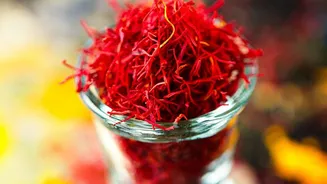
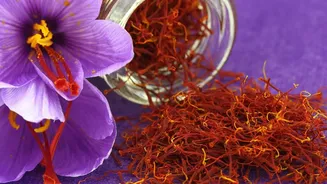
Saffron's prized characteristics come from delicate chemical compounds. Crocin provides the vibrant colour, picrocrocin gives it its unique taste, and safranal is responsible for the captivating aroma. Unfortunately, these compounds are highly sensitive
and can be easily degraded by four primary enemies always present in a kitchen: light, heat, air (oxygen), and moisture. Exposure to any of these will slowly rob the threads of their potency, meaning you get less flavour and colour for your money. Proper storage isn't just about tidiness; it's about protecting the very essence of the spice.
Choosing the Perfect Container
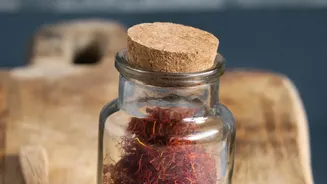
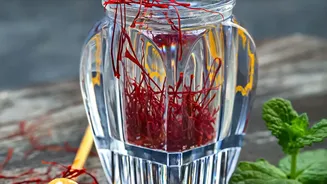
The first line of defence for your saffron is an airtight container. This is non-negotiable as it protects against both air and moisture. Small glass jars or metal tins with tight-fitting lids are excellent choices. If your container is made of clear glass, you must protect it from light by keeping it inside a dark cupboard or its original box. Opaque or dark-coloured containers are even better as they block light directly. Avoid leaving saffron in plastic pouches if you can, as some plastics can be permeable to air and aromas. The goal is to create a stable environment that limits exposure to the elements as much as possible.
The Ideal Location in Your Home
Once you have the right container, the next step is finding the perfect spot. The rule is simple: cool, dark, and dry. A kitchen pantry or a cupboard that is away from the stove, oven, kettle, and direct sunlight is ideal. Heat and frequent temperature changes can cause the volatile oils responsible for saffron's aroma to evaporate. One of the most common questions is whether to store saffron in the refrigerator. For most home kitchens, the answer is no. Taking the container in and out of the cold fridge can create condensation, which introduces moisture and is one of saffron's biggest enemies. A stable, room-temperature cupboard is a much safer bet.
Common Mistakes to Avoid
Many home cooks unknowingly shorten the life of their saffron through simple mistakes. Storing it in a clear jar on a spice rack is a common one, as this exposes it to constant light. Keeping the container near the stove exposes it to heat and steam. Another frequent error is opening the jar directly over a steaming pot of biryani or kheer; the steam that enters the jar can introduce damaging moisture. Always use a completely dry spoon or dry fingers to take out the threads, and seal the container again immediately. If you buy a large quantity, consider decanting a smaller amount for daily use into a separate small jar to minimise opening the main supply.
How Long Does Saffron Last?
Properly stored, whole saffron threads do not 'expire' in the way fresh food does, but they do lose potency over time. Most experts agree that well-stored saffron will retain its best quality for about one to two years after harvest. After this period, you may notice the aroma is weaker and the colour it imparts is less intense. It will still be safe to eat, provided it's free of mould, but you might need to use more threads to achieve the same effect. For this reason, it's often best to buy smaller quantities that you will use within a year or two to ensure every pinch is at its peak.