






Step 1: Choose Your Winter Wildlife Destination
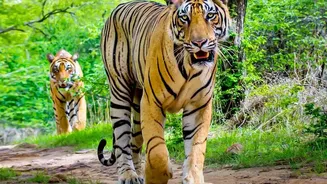
India's national parks offer diverse experiences in winter. The season is particularly comfortable for safaris, with cooler daytime temperatures making exploration pleasant. For tiger sightings, Ranthambore in Rajasthan and Bandhavgarh or Kanha in Madhya
Pradesh are top choices. Ranthambore is known for its dramatic landscape featuring a 10th-century fort, while Bandhavgarh boasts a high tiger density. If you want to see the Asiatic lion, Gir National Park in Gujarat is your only destination. For the great one-horned rhinoceros, head to Kaziranga National Park in Assam, which is primarily accessible from November to April before the monsoon floods. Winter is also an excellent time for birdwatching, with destinations like Keoladeo National Park (Bharatpur) in Rajasthan attracting thousands of migratory birds.
Step 2: Decide on a Realistic Budget
A wildlife weekend involves several costs. First, consider travel to the destination, which could be by flight, train, or car. Next is accommodation, which can range from budget guesthouses near the park entrance to luxurious jungle lodges that offer all-inclusive packages. The most critical cost is the safari itself. This includes the permit fee and the price of hiring a vehicle, typically a 6-seater Jeep or a 20-seater Canter. Prices vary significantly between parks. Finally, budget for food, guide tips, and any miscellaneous expenses. A well-planned weekend trip can be tailored to various budgets, but it's crucial to account for all these components to avoid surprises.
Step 3: Book Safaris and Stays in Advance
Popular national parks like Ranthambore, Corbett, and Tadoba have high demand, especially during peak season (November to May). It is essential to book your safaris well in advance, often weeks or even months ahead. Most major parks have official government websites for booking permits. When booking, you'll need to provide the full name, age, gender, and a valid photo ID for each visitor. Be sure to carry the same ID with you on the trip. Similarly, book your accommodation early to secure a good location and price. Some hotels and lodges offer to book safaris on your behalf, which can be a convenient option.
Step 4: Pack Smart for Cold Mornings
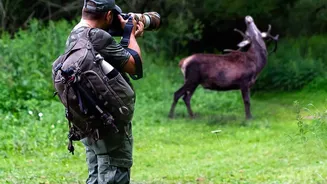
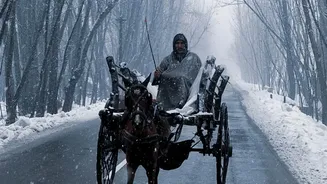
Winter safaris, especially early in the morning, can be surprisingly cold. Temperatures in northern and central India can drop significantly, so layering is key. Pack thermal innerwear, a fleece jacket, and a warm, windproof outer jacket. A warm hat, gloves, and a scarf or neck gaiter are essential for staying comfortable in an open safari vehicle. Other must-haves include comfortable, closed-toed shoes, sunglasses, and sunscreen for the daytime sun. Opt for neutral-coloured clothing like beige, khaki, or olive green to blend in with the natural surroundings. Don't forget your camera, extra batteries, a power bank, and a pair of binoculars to get a closer look at the wildlife.
Step 5: Practice Responsible Tourism
A rewarding wildlife experience is also a responsible one. The goal is to observe animals in their natural habitat without causing disturbance. Always follow your guide's instructions. Maintain silence, and avoid making loud noises or sudden movements that could startle the animals. Do not use flash photography, as it can agitate or blind them. Never attempt to feed any wildlife. It's also crucial to not pressure your driver to get too close to animals or to go off the designated tracks. By choosing ethical operators and respecting park rules, you contribute to the conservation efforts that protect these incredible ecosystems for future generations.