




The Problem With Prolonged Sitting
Our bodies are designed for movement. When you sit for extended periods, especially with poor posture, immense pressure builds in the lower back, compressing the discs between your vertebrae. This can lead to a cascade of issues, including tightened hip
flexors, weakened core muscles, reduced circulation, and a forward-hunch posture that strains the neck and shoulders. Over time, this sedentary pattern doesn't just cause temporary stiffness; it can contribute to chronic pain, reduced flexibility, and even nerve-related problems. The good news is that you don't need a complete lifestyle overhaul to fight back. Integrating small, consistent movements into your day can make a significant difference.
Cat-Cow Stretch
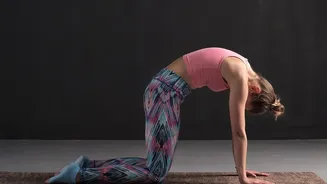
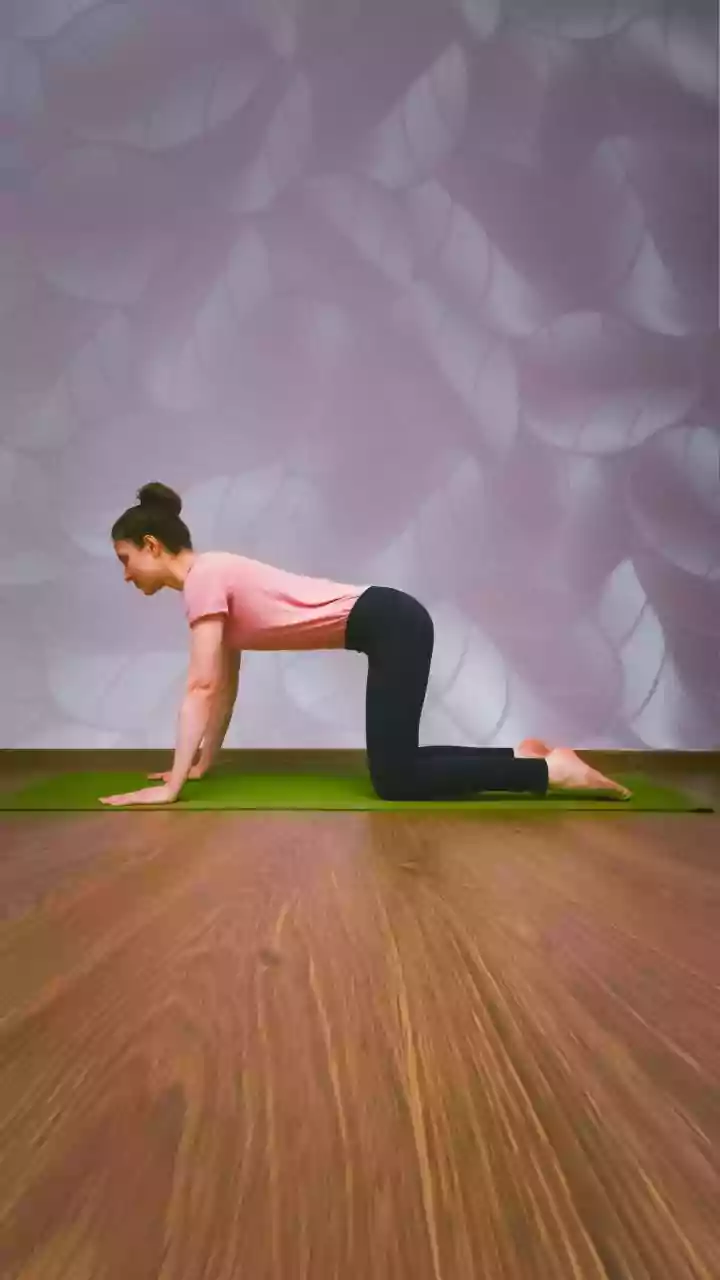
This classic yoga-inspired movement is fantastic for promoting spinal flexibility and relieving tension. Start on your hands and knees, with your wrists directly under your shoulders and your knees under your hips. On an inhale, drop your belly towards the floor, lift your chest and tailbone, and look slightly forward (Cow Pose). As you exhale, round your spine toward the ceiling, tucking your chin to your chest and pulling your navel in (Cat Pose). Flow between these two positions for 60 seconds, syncing your breath with the movement. This gentle motion warms up the spine and improves awareness of your posture.
Seated Spinal Twist
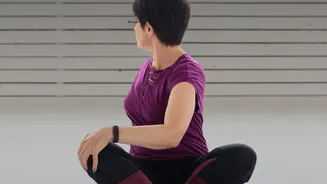
A major issue with desk life is the lack of rotational movement. This simple twist can be done right in your office chair. Sit tall with both feet flat on the floor. While keeping your hips facing forward, gently twist your upper body to the right, using your hands on the armrest or the back of the chair to deepen the stretch. Hold for 20-30 seconds, breathing deeply to encourage the spine to release. You should feel a stretch through your mid and lower back. Return to the center and repeat on the left side. This exercise helps to restore healthy rotation and can alleviate lower back tension.
Thoracic Extension Over a Chair
To counteract the forward slouch that so often develops from staring at a screen, it's crucial to practice spinal extension. Sit upright toward the edge of your chair and place your hands behind your head, elbows wide. Keeping your lower back relatively stable, gently lean back and arch your upper back over the top of the chair. Think about lifting your chest towards the ceiling. Hold for a few breaths, feeling a stretch across your chest and mid-back. Return to the starting position and repeat 8-10 times. This movement directly targets the thoracic spine—the part of your back that gets stiff and rounded from desk work.
Open Book Stretch
This stretch is excellent for improving thoracic rotation and opening up the chest muscles. Lie on one side with your knees bent and stacked. Extend both arms straight out in front of you at shoulder height, with your palms together. Slowly, lift your top arm and rotate it open towards the floor on the opposite side, following your hand with your eyes. The goal is to get your upper back to rotate, not just your arm. Keep your knees together to stabilize your lower body. Hold the open position for a breath before returning to the start. Perform 8-10 repetitions on each side.