





The Creeping Threat of Salty Soil
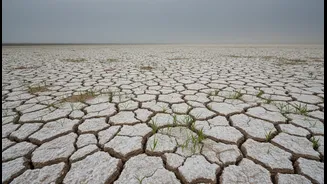
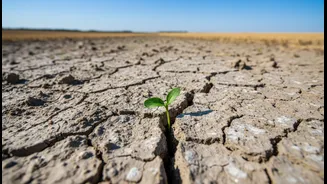
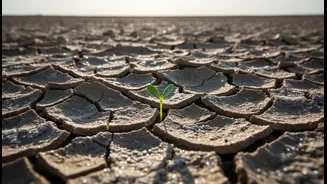
Across India, an estimated 6.74 million hectares of land are affected by high salt content, and this area is growing. This process, known as soil salinization, is a major threat to the nation's food security. It's driven by a combination of factors, including
rising sea levels contaminating coastal areas, intensive irrigation practices without adequate drainage, and the overuse of certain chemical fertilizers. When water evaporates from the soil, it leaves behind dissolved salts. Over time, these salts accumulate to levels that are toxic for most crops, transforming once-productive fields into barren land and slashing crop yields by 20% to 50%. For farmers, this means lower incomes, mounting debt, and an uncertain future.
Why Salt is a Plant's Worst Enemy
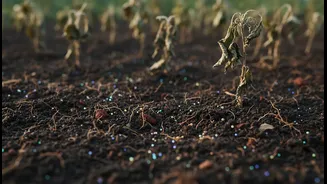
To a plant, salty soil is like trying to drink from the ocean—the water is there, but it’s unusable. High salt concentrations create an osmotic imbalance, effectively pulling water out of plant roots and causing dehydration, even in moist soil. This 'physiological drought' stunts growth and can lead to wilting. But the damage doesn't stop there. An excess of sodium ions in the soil disrupts the plant's ability to absorb essential nutrients like potassium and calcium, leading to deficiencies that weaken the plant. The salt can also directly cause toxic effects within the plant's cells, leading to what scientists call oxidative stress. The result is poor germination, stunted growth, damaged roots, and ultimately, a drastically reduced harvest.
Enter the Microbial Heroes
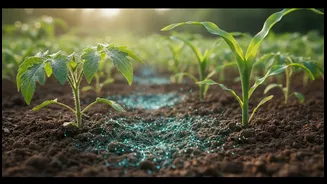
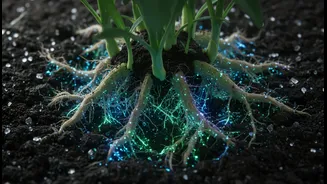
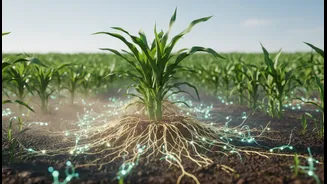
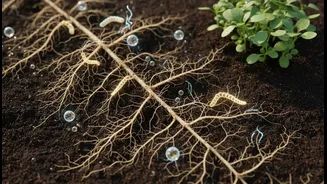
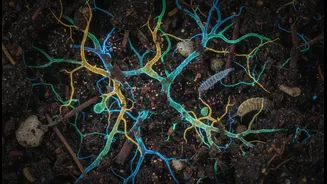
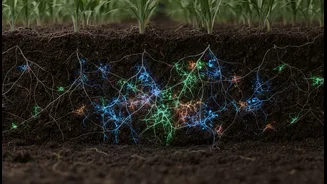
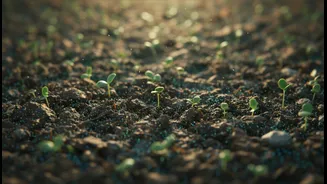
In the face of this agricultural challenge, scientists are looking to nature for a solution and finding it in the form of 'halophilic' or salt-tolerant microbes. These are bacteria and fungi that have evolved to thrive in high-salt environments. Researchers have discovered that many of these microbes form beneficial relationships with plants, helping them not just survive but flourish in saline conditions. These plant growth-promoting rhizobacteria (PGPR) colonize the area around a plant's roots and act as a microscopic support system. Instead of fighting a losing battle against salt on its own, the plant gets a team of powerful allies.
A Microscopic Support System
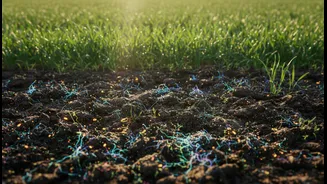
These beneficial microbes employ a variety of clever strategies to help plants. Some produce a sticky substance called exopolysaccharides (EPS), which binds to sodium ions, making them less available to be absorbed by the plant's roots. Others produce special compounds called osmolytes that help the plant maintain its water balance in the face of osmotic stress. These microbes can also produce plant hormones like indole-3-acetic acid (IAA) that stimulate root growth, helping the plant access water and nutrients more effectively. Recent studies have even shown a fascinating mechanism where certain bacteria, like Pseudomonas, stimulate plants to produce more lignin, a compound that strengthens root cell walls and acts as a physical barrier against salt stress.
From Lab to Land in India
This research is not just happening in distant labs; it's a field of active study in India. Institutes like the ICAR-Central Soil Salinity Research Institute are developing and testing these microbial solutions. For example, research on tomato and chickpea crops in India has shown that inoculating plants with specific microbial consortia (a mix of beneficial bacteria) can significantly improve growth, nutrient uptake, and yield in saline soils. These consortia have been shown to reduce sodium uptake by the plant while increasing the uptake of essential nutrients like potassium. However, challenges remain. The effectiveness of microbial inoculants can vary depending on soil type, climate, and farming practices. The next big step is developing robust, stable, and cost-effective microbial products that are easy for farmers to apply and that deliver consistent results in the diverse agricultural landscapes of India.