








The High Cost of Spoilage
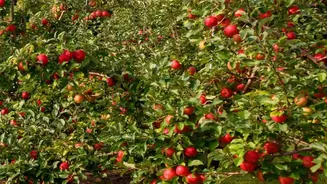
Kashmir's horticulture sector, the backbone of its rural economy, has long been plagued by substantial post-harvest losses. For crops like apples, cherries, and other perishable fruits, the race against time begins the moment they are picked. Historically,
a lack of adequate storage infrastructure meant farmers were forced into distress sales. They had to sell their produce immediately during the peak harvest season when markets were flooded and prices were at their lowest. Any delay, whether due to transportation bottlenecks like highway closures or simply a lack of buyers, could lead to devastating financial losses as the fruit would rot. This chronic problem not only slashed the incomes of individual growers but also suppressed the economic potential of the entire region. Estimates have pointed to losses of up to 15% for fruits due to these infrastructure gaps.
A Cooperative-Led Revolution
In response to this systemic challenge, a new model is gaining ground: Farmer Producer Organizations (FPOs) and cooperatives. By pooling their resources, small and marginal farmers can achieve what was impossible for them individually. These collectives are becoming instrumental in developing and accessing modern post-harvest infrastructure. The cooperative model empowers farmers to bypass some of the intermediaries, giving them greater control over their produce and more significant bargaining power in the market. Government initiatives like the Agriculture Infrastructure Fund (AIF) and the Mission for Integrated Development of Horticulture (MIDH) are providing crucial financial assistance, offering subsidies and credit-linked support to encourage the establishment of these facilities, with special provisions for cooperatives and FPOs.
Inside the Modern Cold Chain
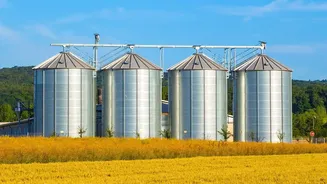
The term "state-of-the-art cold storage" refers to much more than just a refrigerated room. The game-changer for Kashmir's horticulture is Controlled Atmosphere (CA) storage. These advanced facilities control not only the temperature but also the levels of oxygen, carbon dioxide, and nitrogen in the air. This technology slows down the ripening process, extending the shelf life of produce like apples for several months without significant loss of quality. This allows cooperatives and farmers to store their harvest long after the picking season ends. The full logistics chain also includes refrigerated vans for transportation, and facilities for sorting and grading produce, ensuring that only high-quality, A-grade fruit enters long-term storage, maximizing its eventual market value.
Transforming Fortunes, One Crate at a Time
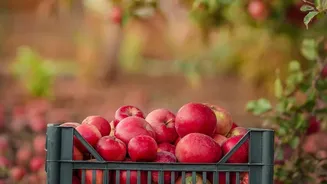
The impact of this new cold chain infrastructure is profound. Farmers are no longer at the mercy of the seasonal price crash. By storing their produce, they can wait for favourable market conditions and sell their apples in phases when demand and prices are higher. Reports indicate that a box of apples sold from a CA store can fetch a price significantly higher than what it would during the glut of the harvest season. This ability to hold onto their stock acts as a critical buffer, protecting growers from the panic selling that once defined the harvest period. It has been described as a lifeline for the apple industry, fundamentally transforming how growers market their produce and securing better returns for their hard work.
The Road Ahead: Scaling Success
The growth in Kashmir's cold storage capacity has been dramatic, with a reported 700% increase over six years leading up to 2022. As of late 2025 and early 2026, dozens of new projects were underway, reflecting a major push from both the private sector and government agencies. The central government has sanctioned numerous projects under various schemes to bolster this infrastructure. However, challenges remain. Ensuring consistent quality control, managing operational issues like electricity supply, and preventing mismanagement are ongoing concerns. The ultimate goal is to create a seamless and efficient farm-to-market supply chain that not only serves the domestic market but also positions Kashmir's high-quality produce for international export. The continued collaboration between farmer cooperatives, private investors, and government support will be key to scaling this success across the valley.