

A Revolution in the Indian Bakery
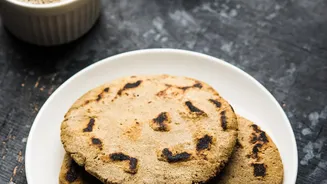
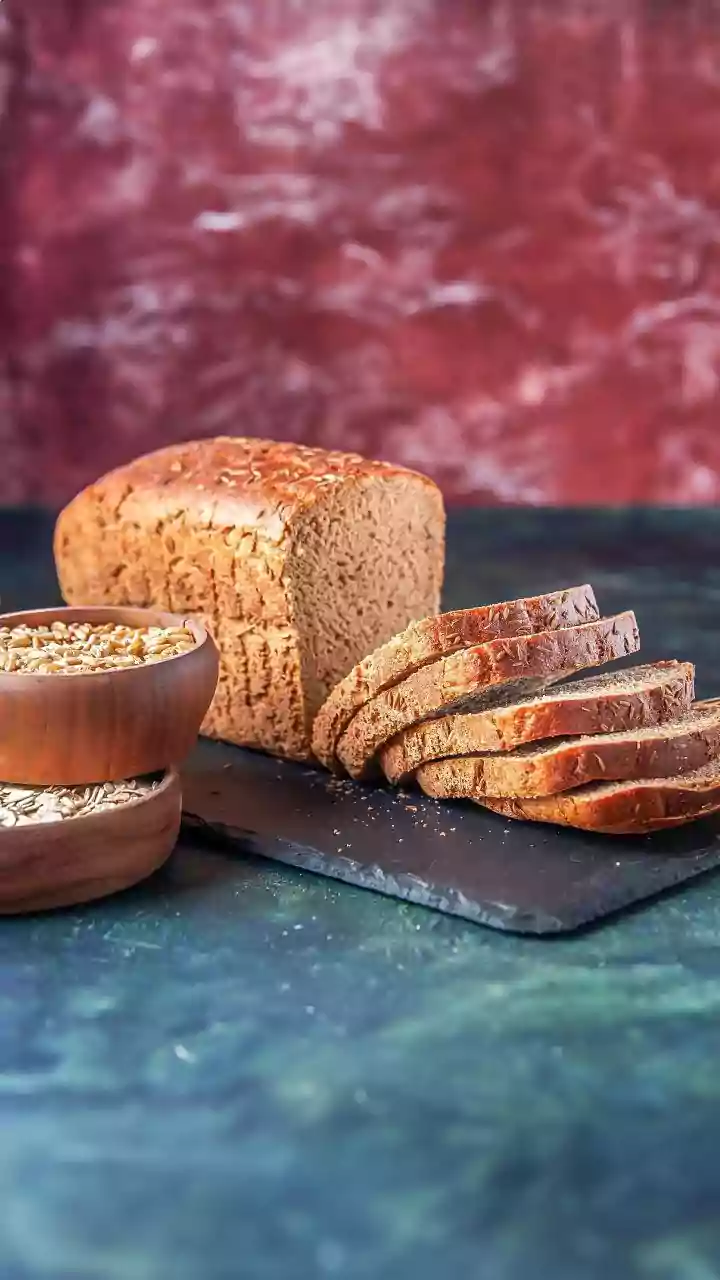
Not long ago, bread in India largely meant pre-packaged white, brown, or atta loaves. Today, a quiet revolution is taking place in local bakeries. Artisanal bakers are looking back to our roots to innovate, embracing ancient grains that were once staples
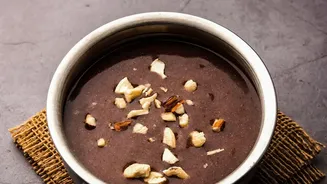
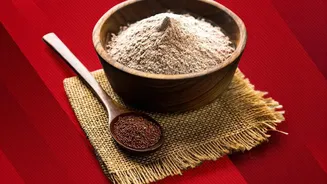
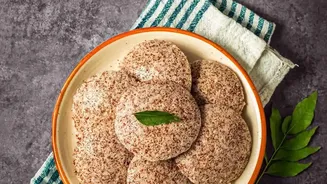
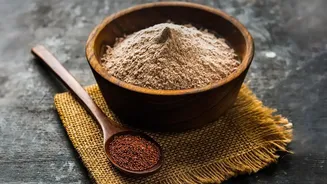
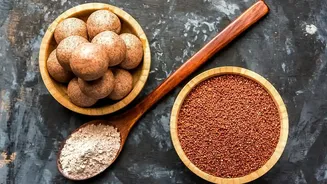
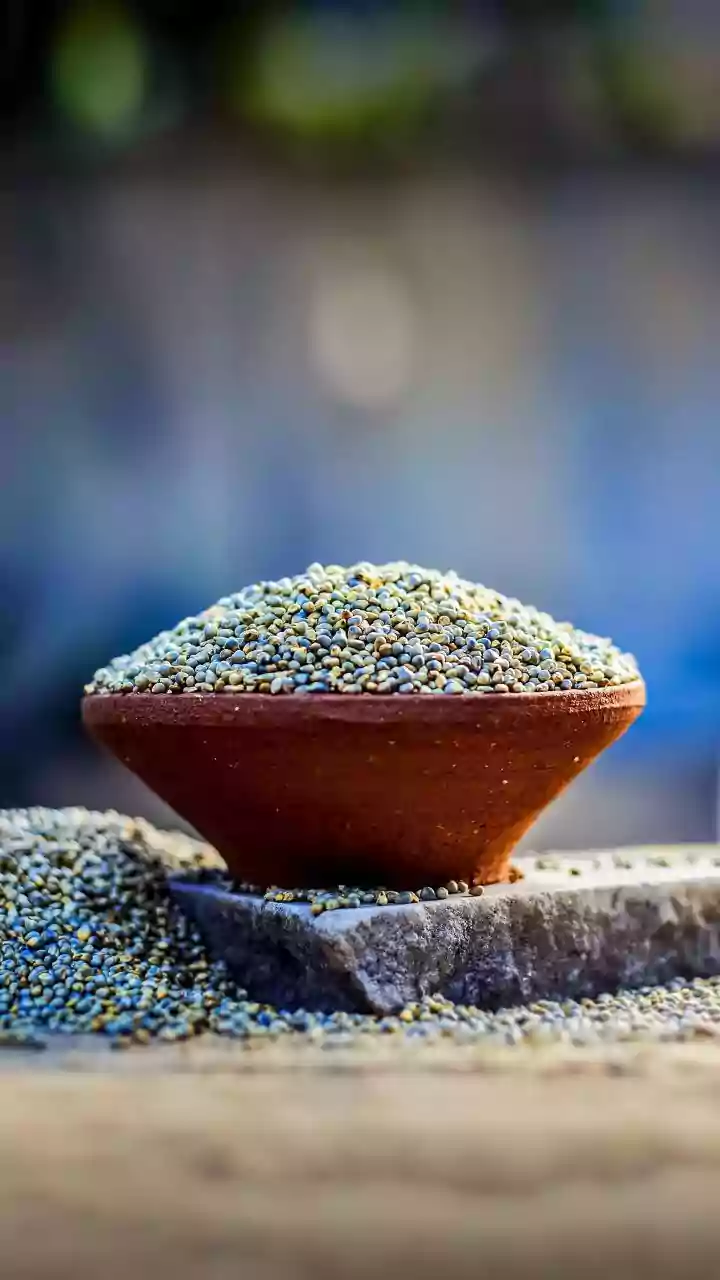
of the Indian diet. Millets like jowar (sorghum), bajra (pearl millet), and ragi (finger millet) are stepping into the spotlight, moving beyond traditional rotis and porridges. This shift is driven by a growing awareness of health and a desire for more diverse, nutrient-rich foods. Consumers are increasingly seeking alternatives to refined flour, creating a demand that innovative bakers are eager to meet.
The Baker's Creative Challenge
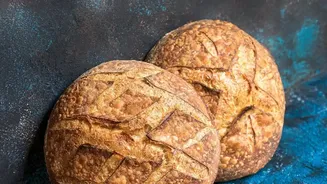
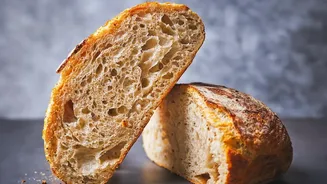
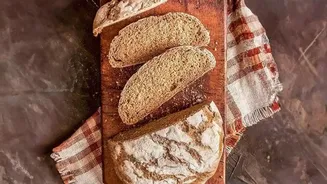
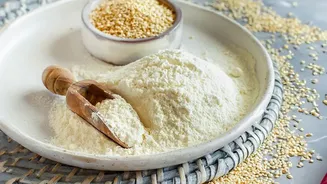
Baking with millets isn't a simple one-to-one substitution for wheat flour. These grains are naturally gluten-free, which poses a significant challenge for bakers aiming for the light, airy texture we love in bread. Gluten provides elasticity and structure, so working without it requires skill and creativity. Bakers experiment with different blends, often combining millet flours with other gluten-free options like oat or almond flour to achieve the perfect crumb. They also employ techniques like using binding agents or adjusting liquid content to create products that are structurally sound and delicious. It's a process of trial and error, leading to unique creations like tangy sourdough infused with the earthy notes of ragi or hearty loaves made with a blend of jowar and buckwheat.
Delicious, Nutritious, and Sustainable
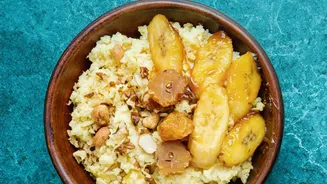
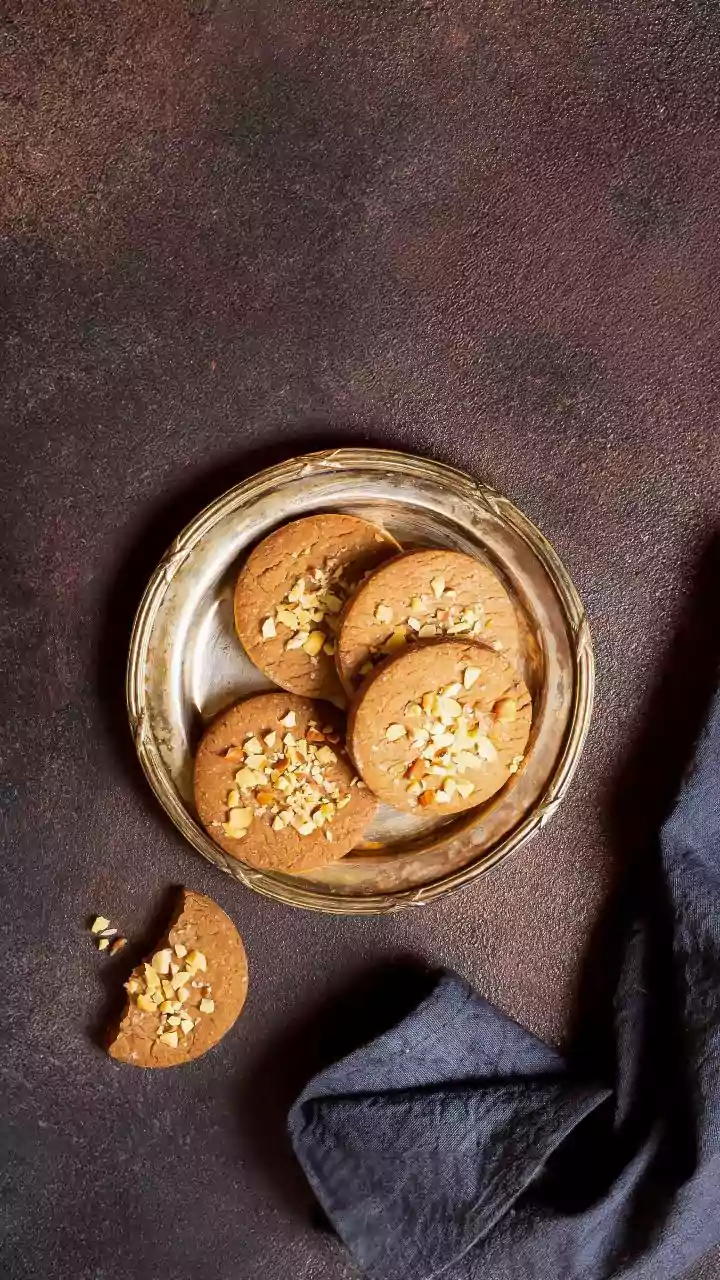
The appeal of millet-based baked goods goes far beyond novelty. These ancient grains are nutritional powerhouses, packed with fibre, protein, and essential minerals like iron and magnesium. For many, they offer a wholesome, gluten-free alternative that supports better digestion and overall health. But this trend isn't just about what's good for us; it's also about flavour. Millets bring their own unique taste profiles to the table—from the mild, slightly nutty flavour of jowar to the more robust, earthy notes of bajra. When combined with modern baking techniques, these grains produce cookies, cakes, and breads that are deeply flavourful and satisfying, proving that healthy and delicious can go hand-in-hand.
From Local Farms to Urban Tables
This movement is also forging a stronger connection between urban consumers and rural producers. Some bakers are sourcing their grains directly from local farmers, ensuring quality and supporting sustainable agriculture. This farm-to-table approach is a win-win: farmers benefit from increased demand for traditional crops, and consumers get a product that is fresh and has a story. Millets are often more environmentally friendly than other crops, requiring less water to grow, which makes them a smart choice in a climate-conscious world. The renewed interest in these grains, spurred partly by initiatives like the UN's International Year of Millets in 2023, is helping to revive a valuable part of India's agricultural heritage.