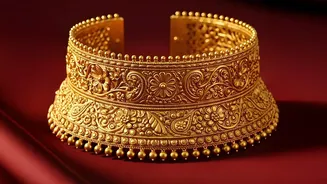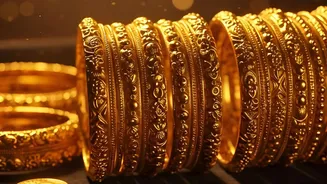








Dhanteras is a cherished time for welcoming prosperity, often marked by buying gold or silver. But beyond tradition, this purchase is a long-term investment. To ensure your festive buy is also a financially sound one, here’s what to look for.
Verify Purity with HUID Hallmarking
The most
crucial factor is ensuring the purity of the gold you buy. In India, the Bureau of Indian Standards (BIS) mandates hallmarking for gold jewellery. As of 2026, every hallmarked piece must have three distinct marks: the BIS logo, the purity grade (e.g., 22K916 for 22-carat gold), and the six-character alphanumeric Hallmark Unique Identification (HUID) code. This HUID code is like an Aadhaar for your jewellery, making each piece traceable to the jeweller and the assaying centre. You can instantly verify this code using the BIS Care app to confirm its authenticity. This system protects you from being sold lower-purity gold at a higher price. Mandatory hallmarking currently applies to gold jewellery across 392 districts in India.
Understand Every Rupee of the Cost
The price you pay is more than just the day's gold rate. Your final bill includes several components. First is the value of the gold itself. Then come the 'making charges,' which cover the craftsmanship and can range from 5% to over 25% of the gold's value. These charges vary significantly between jewellers and based on design complexity. On top of the gold value and making charges, a Goods and Services Tax (GST) is applied. Gold itself attracts a 3% GST, while making charges are taxed at 5% if billed separately. Some jewellers may also add 'wastage charges'. Always ask for a detailed bill that breaks down each of these costs clearly so you know exactly what you are paying for.
Coins and Bars vs. Jewellery
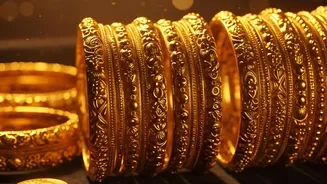
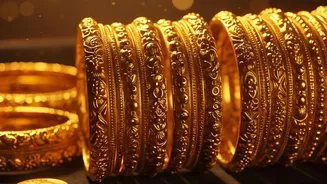
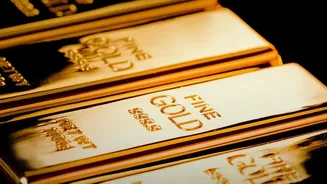
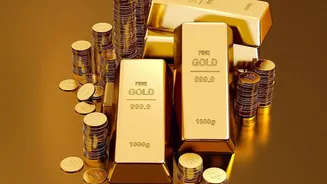
For a pure, long-term investment, gold coins and bars are often a smarter choice than jewellery. While jewellery has aesthetic and emotional value, its resale price is significantly lower due to the deduction of making charges, which are non-refundable. Gold coins, especially those of 24-carat (999 purity), have minimal making charges and their value is tied almost directly to the market price of gold, making them easier to sell and more liquid. Jewellery is valued as scrap metal upon resale, where its design has little bearing on the price. If your primary goal is wealth creation and easy liquidation, a hallmarked coin or bar offers better returns.
Consider Digital and Paper Gold
You don't have to buy physical gold to invest in it. Digital alternatives offer convenience and eliminate storage risks. Sovereign Gold Bonds (SGBs), issued by the RBI, are government securities denominated in grams of gold. They offer a fixed interest of 2.5% per year on the investment amount and are exempt from capital gains tax if held until maturity (8 years). Gold Exchange Traded Funds (ETFs) are another option, traded on the stock exchange like shares and requiring a Demat account. Digital Gold, offered by platforms like MMTC-PAMP, allows you to buy 24K gold online in small amounts, but it is important to note that this avenue is not regulated by SEBI or the RBI. Each option has different costs, liquidity, and tax implications, so choose based on your investment horizon and risk appetite.
Plan for Secure Long_Term Storage
If you buy physical gold, secure storage is paramount to protect it from theft, loss, or damage. Storing large amounts at home carries significant risk, even with a high_quality safe. For long_term security, a bank locker or a professional vaulting service is a much safer option. Bank vaults provide high_level security with surveillance and controlled access. While home storage offers easy access, it's generally recommended to keep only minimal amounts at home and store the bulk of your investment in a secure, insured facility like a bank locker. This ensures your valuable asset remains protected for years to come.
Don't Overlook Silver
While gold often takes the spotlight on Dhanteras, silver is also an auspicious and valuable precious metal to consider for investment and traditional purposes. Like gold, silver articles can also be hallmarked to certify their purity, though the scheme is currently voluntary. BIS has established purity grades for silver, such as 999 for fine silver and 925 for sterling silver. For those looking for a more affordable entry into precious metals or a way to diversify their holdings, buying hallmarked silver coins, bars, or traditional items can be a prudent choice.