


Thinking Beyond the Recipe
Many vegetarian dishes fall flat because they lack the deep, savory notes and varied textures found in meat. The solution isn't to mimic meat, but to apply culinary principles that build satisfaction from the ground up. By focusing on how a dish smells
and feels to eat, you can create layers of complexity that make vegetables the star of the show. It’s about moving from simply following a recipe to understanding how to build flavour. This means learning to toast your spices, properly brown your vegetables, and combine ingredients that offer contrasting textures. These techniques are what separate a bland plate from a memorable meal, all while keeping things healthy.
Unlocking Flavour Through Aroma
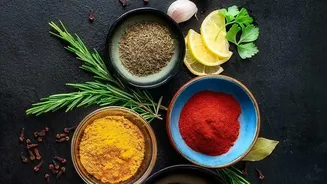
Aroma is the first hint of a delicious meal and is responsible for much of what we perceive as flavour. One of the most effective ways to build aroma is by using spices and herbs correctly. Toasting whole spices like cumin or coriander seeds in a dry pan before grinding them releases their essential oils and creates an incredible fragrance that transforms a dish. Fresh herbs can be used in two ways: hardy herbs like rosemary and thyme can be added during cooking to infuse the entire dish, while delicate herbs like basil, mint, and parsley are best added at the very end to preserve their fresh, bright aroma. Another aromatic technique is creating a flavour base, such as an Italian soffritto (onion, carrot, celery) or the Indian tadka, where spices are bloomed in hot fat to release their essence before being added to a dish.
The Magic of the Maillard Reaction
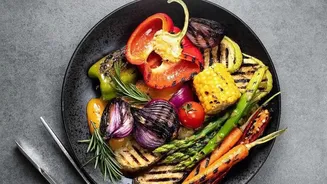
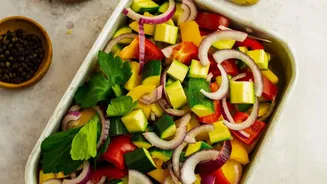
That delicious brown crust on roasted potatoes or seared mushrooms? That’s the Maillard reaction, a chemical process between amino acids and sugars that occurs at high temperatures. It creates hundreds of new aroma and flavour compounds that are savory, nutty, and deeply complex. To achieve this with vegetables, the key is high, dry heat. Instead of steaming or boiling, which introduces too much moisture, opt for roasting, grilling, or searing. Don't overcrowd the pan, as this will cause the vegetables to steam rather than brown. Allowing vegetables to get properly browned develops natural sweetness and a savory depth that can’t be achieved otherwise. Cutting vegetables to maximize surface area can also enhance this effect.
Creating Satisfying Textural Contrast
Texture is the unsung hero of a great meal. A dish with uniform softness can become boring quickly. The goal is to create contrast: soft and crunchy, creamy and chewy. You can achieve this by combining different cooking methods. For instance, pair creamy polenta with crispy, roasted mushrooms. Topping a soft lentil soup or dal with crunchy elements like toasted nuts, seeds, or crispy fried shallots adds an instant textural lift. Even the way you cut vegetables can make a difference; larger chunks will remain firm and toothsome, while smaller pieces will soften and melt into a sauce. Ingredients like lentils, beans, and whole grains can provide a satisfying chewiness that often feels missing in vegetarian meals.
Harnessing Umami, the Fifth Taste
Umami is the savory, mouth-filling taste that makes food deeply satisfying. While often associated with meat, many plant-based ingredients are packed with it. Mushrooms, especially dried varieties like shiitake, are umami powerhouses. Sun-dried tomatoes are far more concentrated in flavour than their fresh counterparts. Other great sources include soy sauce (or tamari), miso paste, nutritional yeast, and aged cheeses. The secret to a powerful flavour profile is layering these ingredients. Combining mushrooms and a splash of soy sauce, for example, creates a synergy where the umami sensation is amplified, adding a rich, complex background note to your cooking without any extra oil.