


The End of the 'Short-Order Cook' Era
If you've ever felt like a frazzled short-order cook in your own kitchen, you are not alone. Juggling different dietary needs, spice tolerances, and the whims of picky eaters can turn the joy of cooking into a logistical nightmare. The pressure to make
multiple meals is real, but it's unsustainable and often leads to frustration. The beauty of the 'base and finish' method is that it stops this cycle. Instead of catering to every single individual plate from scratch, you create one communal, neutral foundation that everyone can enjoy. This approach saves time, reduces waste, and, most importantly, brings a sense of harmony back to the dinner table.
The Philosophy: A Universal Base
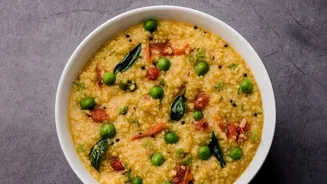
The core of this strategy lies in choosing a 'base' that is simple, versatile, and accommodating. This is the main component of the meal, cooked in a large batch, that is deliberately kept neutral. Think of it as a blank canvas. A good base should be something that is naturally free of common allergens or can be easily adapted. For example, when making dal, you would prepare the main lentil component without the final spicy tadka (tempering). If preparing pasta, you would simply boil the pasta and keep the sauces separate. This allows the person with a sensitive stomach, the child who dislikes spice, and the adventurous eater to all start from the same point.
Mastering the 'Finish': The Topping Bar
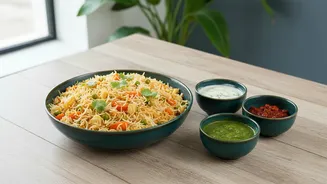
This is where the magic of personalisation happens. The 'finish' is a curated collection of toppings, sauces, and additions that allow each person to customise their own meal. Setting up a 'topping bar' turns dinner from a static meal into an interactive, fun experience. It empowers everyone, especially children, by giving them a sense of control over their food. Your topping bar can be as simple or elaborate as you like. Consider organising it by category: Crunch: Fried onions, sev, toasted nuts and seeds, croutons. Freshness: Chopped coriander, mint, spring onions, diced tomatoes, grated carrots, and lime wedges. Sauces: A variety of chutneys (mint, tamarind), different types of pickles, plain yoghurt or raita, and hot sauce. Richness: A dollop of ghee, a spoonful of cream, or grated cheese.
Putting It Into Practice: Meal Ideas
This method works for a huge variety of cuisines, especially Indian food which is naturally adaptable. Here are a few ideas to get you started: The Ultimate Dal Bowl: Start with a simple yellow dal or a hearty black dal as the base. Your topping bar can include steamed rice, finely chopped onions, a spicy ginger-garlic-chilli tadka, a milder ghee-cumin tadka, fresh coriander, and a squeeze of lime. Build-Your-Own Kathi Rolls: Provide plain rotis or parathas as the base. Set out bowls of simple paneer bhurji, spiced chicken pieces, a fresh salad of sliced onions and peppers, mint chutney, and a tangy tamarind sauce. * A 'Build-a-Bowl' Night: This is endlessly customisable. The base can be a grain like quinoa, millet, or rice. Then offer roasted vegetables, a protein like chickpeas or grilled paneer, and a dressing or sauce for everyone to assemble their perfect 'Buddha Bowl'.