


Niagara Falls: Nature vs. Neon
Niagara Falls is, without question, a force of nature. Standing at the railing and feeling the mist from millions of litres of water thundering into the gorge is a genuinely awe-inspiring moment. The sheer power is something a photo can never capture.
Yet, the experience on the Canadian side is a tale of two very different cities. Mere steps from this natural wonder lies Clifton Hill, a gaudy, chaotic strip of haunted houses, wax museums, and fast-food chains that feels more like a theme park than a companion to a world wonder. While the falls themselves are magnificent and largely free to view, the surrounding commercialism can feel jarring. The subjective verdict? The falls are a must-see, but the best experience involves focusing on the water and perhaps exploring the more serene Niagara-on-the-Lake region nearby, leaving the neon jungle behind.
CN Tower: A View From The Top, For A Price
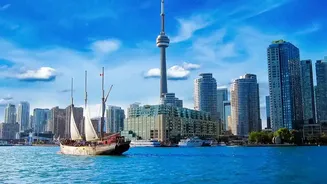
As an icon of the Toronto skyline, the CN Tower is undeniable. The 58-second elevator ride to the observation deck is a thrill, and on a clear day, the panoramic view of the city and Lake Ontario is spectacular. It offers a genuine 'wow' moment as the sprawling metropolis unfolds beneath you. The glass floor, while a familiar gimmick at tall towers worldwide, still provides a heart-stopping thrill for those brave enough to step out. However, the experience is not without its drawbacks. The cost of admission can be steep, and that's before considering any upgrades like the higher SkyPod. Long queues are common, and the feeling of being processed through a very polished, but very commercial, tourist machine is hard to shake. It’s a clean, well-managed attraction, but it lacks a certain soul. It’s worth doing once for the view, but many locals would argue Toronto’s real character is found in its diverse neighbourhoods on the ground.
Banff National Park: Beauty and The Crowds
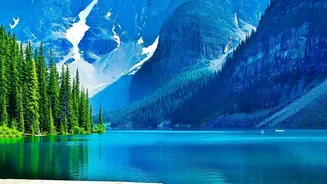
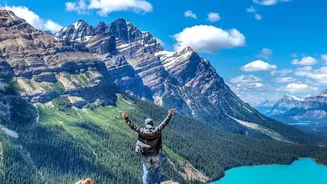
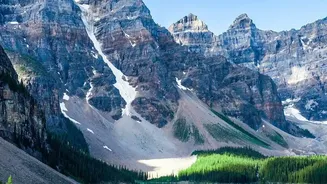
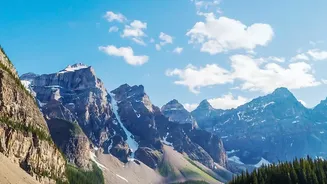
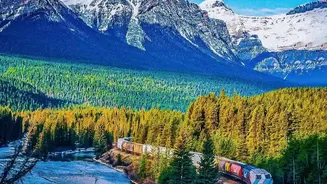
Banff is Canada's first national park, and its reputation is built on staggering beauty. The turquoise lakes, like Lake Louise and Moraine Lake, are so vibrant they look photoshopped, and the surrounding Rocky Mountains are majestic. The problem is, everyone knows it. In recent years, Banff has struggled with its own popularity, facing issues of overcrowding, traffic congestion, and strain on the local environment. Visitation numbers have soared, hitting over 4 million annually, turning popular spots into a sea of selfie sticks. Finding parking can be a challenge, with lots at key areas like Lake Louise often full by early morning. Parks Canada is actively working on management plans to address the pressure, but the feeling for many visitors, especially in peak season, is less about serene nature and more about navigating a crowd. The scenery is five-star, but the experience can be a victim of its own success.
Old Quebec: Historic Charm or Tourist Trap?
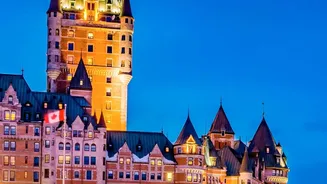
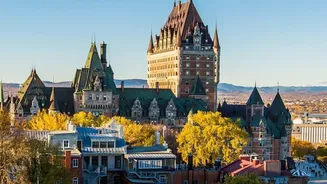
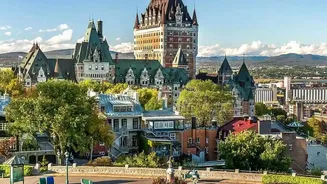
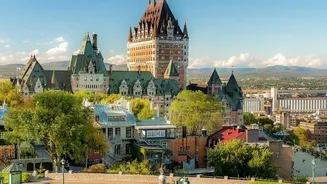
Wandering the cobblestone streets of Old Quebec, a UNESCO World Heritage site, can feel like stepping into a European fairy tale. The architecture, the charming boutiques, and the imposing Château Frontenac hotel create an atmosphere unlike anywhere else in North America. For lovers of history and atmosphere, it is a delight. However, its immense popularity means that during peak season, the narrow streets can be shoulder-to-shoulder with tour groups. Some argue the area has become so focused on tourism that it can feel less like a living historic quarter and more like a beautifully preserved theme park. The restaurants can be pricey, and the shops often cater more to souvenir hunters than locals. It's a beautiful and important part of Canadian heritage, but the most authentic experience might be found by visiting in the quieter shoulder seasons or by venturing just outside the main tourist-heavy streets.