






The High Stakes of the Harvest
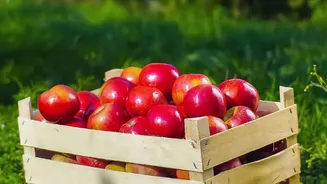
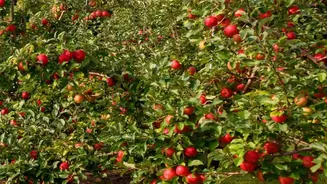
Horticulture is the backbone of Jammu and Kashmir's economy, with apples accounting for the vast majority of its horticultural output. For generations, however, farmers faced a daunting challenge: post-harvest loss. Apples are highly perishable. Improper
handling, temperature fluctuations, and delays in transit can lead to bruising, spoilage, and significant financial losses. Historically, a lack of local storage infrastructure forced growers to sell their entire crop immediately after harvest, flooding the market and depressing prices. Many were at the mercy of middlemen and long, unreliable supply chains that often saw their produce damaged before it could reach major markets across India.
The Power of Collective Action
Enter the cooperative model, including Farmer Producer Organisations (FPOs). By pooling their resources, small and marginal farmers gain access to infrastructure and technology that would be impossible to afford individually. These cooperatives act as a single, powerful entity, able to invest in large-scale facilities, negotiate better terms with transport companies, and command higher prices in the market. This collective approach empowers farmers, allowing them to move up the value chain, reduce their dependency on intermediaries, and retain a larger share of the profits from their hard work. It’s a shift from isolated struggle to collective strength, transforming how the apple business operates from the ground up.
Inside the Modern Cold Chain
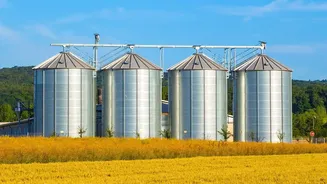
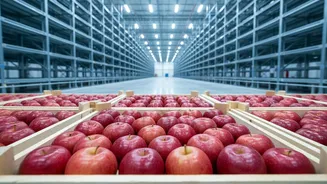
The cornerstone of this transformation is the modern cold chain, specifically Controlled Atmosphere (CA) storage facilities. Unlike basic cold storage, CA stores don't just cool the fruit; they precisely manage the air inside sealed rooms. Oxygen levels are drastically reduced, while carbon dioxide is regulated, effectively putting the apples to sleep and slowing the ripening process to a crawl. This technology allows apples to be stored for up to nine or ten months without losing their crispness and flavour. When the time is right, the apples are transported in refrigerated trucks, or 'reefer' trucks, ensuring they remain in perfect condition all the way to the consumer, whether in Delhi, Mumbai, or beyond.
Streamlining the Journey to Market
Logistics are just as crucial as storage. Cooperatives have revolutionised transport by consolidating large volumes of produce. Instead of individual farmers arranging their own, often inefficient transport, the cooperative manages the entire process. This includes grading and sorting the apples at modern packhouses, ensuring only high-quality produce is shipped and fetching a better price. By booking entire fleets of reefer trucks or even utilising new rail freight options, they can reduce costs and ensure faster, more reliable delivery. This organised approach minimises transit time, reduces the risk of spoilage on a blocked highway, and ensures that the apples arriving in markets are as fresh as when they left the valley.
An Economic Transformation
The impact of these streamlined operations is profound. Farmers are no longer forced into distress sales during the peak harvest season. They can now hold their produce in CA stores and sell it during the off-season when demand and prices are higher. This ability to time the market has led to significantly increased incomes and greater financial stability for thousands of farming families. The expansion of CA storage capacity is a major focus for the regional government, recognizing its role in strengthening the rural economy. While challenges like ensuring equitable access for the smallest farmers remain, the cooperative-led cold chain model is fundamentally improving livelihoods and securing the future of Kashmir's iconic apple industry.