








Why Eating Seasonally Matters
Choosing seasonal produce is a practice deeply rooted in Indian culture, and for good reason. Fruits and vegetables harvested in their natural season are at their peak in both flavour and nutritional value. They are fresher, often more affordable, and travel
shorter distances to reach your local market. During the monsoon, the humid weather can affect digestion and increase the risk of infections. Eating seasonally provides your body with the specific nutrients it needs to boost immunity and stay healthy during this time. A diet rich in seasonal variety also supports a diverse gut microbiome, which is crucial for overall wellness.
Quintessential Monsoon Fruits
July is the time for some of the most awaited monsoon fruits. Leading the list is the Jamun, or Indian blackberry. This deep purple fruit with its unique sweet and tart flavour is not just delicious but also prized for its health benefits. Look for firm, deeply coloured berries without any soft spots. Another star of the season is the plum (Aloo Bukhara), a juicy and tangy fruit rich in antioxidants. You'll also find the last batches of luscious litchis in some regions, a sweet, floral fruit perfect for the season. Pears (Nashpati) also begin to appear, offering a crunchy, nutrient-dense option that's high in fibre and vitamin C.
Hearty and Humble Vegetables
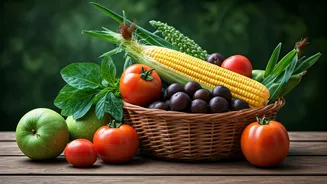
The monsoon brings a variety of gourds that are both cooling and easy to digest. Bottle gourd (lauki), ridge gourd (turai), and bitter gourd (karela) are abundant and at their best right now. These vegetables are staples in Indian households during the rains. Another seasonal highlight is corn (bhutta). Fresh corn on the cob, whether roasted over coals or boiled, is a classic monsoon snack. Look for cobs with bright green husks and plump, milky kernels. Okra (bhindi) and cluster beans (gawar) are also excellent choices, as they thrive in the monsoon climate and are harvested when they are most tender and flavourful.
The Power of Roots and Spices
During the rainy season, it's wise to include ingredients known for their immunity-boosting properties. Fresh ginger and turmeric are particularly potent choices. Their anti-inflammatory and antimicrobial qualities can help ward off common monsoon ailments like colds and flu. When buying ginger, look for firm, smooth skin. Fresh turmeric root should be firm and vibrant orange on the inside. These can be added to teas, curries, and vegetable preparations to enhance both flavour and health benefits.
A Note on Leafy Greens
While leafy greens are nutritious, extra caution is needed during the monsoon. The high humidity can lead to quicker spoilage and an increased risk of contamination from mud and grime. If you do buy greens like spinach or amaranth, ensure you wash them thoroughly. Soaking them in a pot of water with a little salt or vinegar before rinsing them under clean, running water is a good practice. Opt for greens that look crisp and fresh, and avoid any that are wilted or slimy.