





The Unsung Heroes of Urban Infrastructure
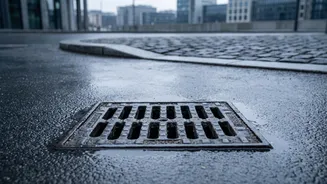
Beneath the hustle and bustle of city life lies a complex web of stormwater drains, nullahs, and channels. Their job is simple but crucial: to carry excess rainwater away from roads, residential areas, and commercial hubs, preventing water from pooling
and causing floods. This network is the primary line of defence against the intense downpours that characterise the Indian monsoon. In cities like Mumbai, the drainage network spans thousands of kilometres, a testament to its importance. However, these systems, many of which are decades old, were often designed for rainfall intensities far lower than what is experienced today due to changing climate patterns. When they function correctly, they go unnoticed, silently protecting our homes and routines. But when they fail, the consequences are immediate and severe.
What's Choking Our Cities' Arteries?
The primary enemy of a functional drainage system is blockage. The causes are numerous and unfortunately, all too familiar. Tonnes of solid waste, including plastic bags, bottles, and other garbage, are illegally dumped into open drains. This is compounded by construction debris, along with massive quantities of silt and sediment that wash into the channels during rainfall. Over time, these materials accumulate, drastically reducing the carrying capacity of the drains. In many cases, drains are also encroached upon for construction, narrowing their width and further impeding water flow. When a system designed to carry a massive volume of water is already half-filled with silt and garbage, it doesn't take much for it to become completely overwhelmed.
The Cascade of Consequences
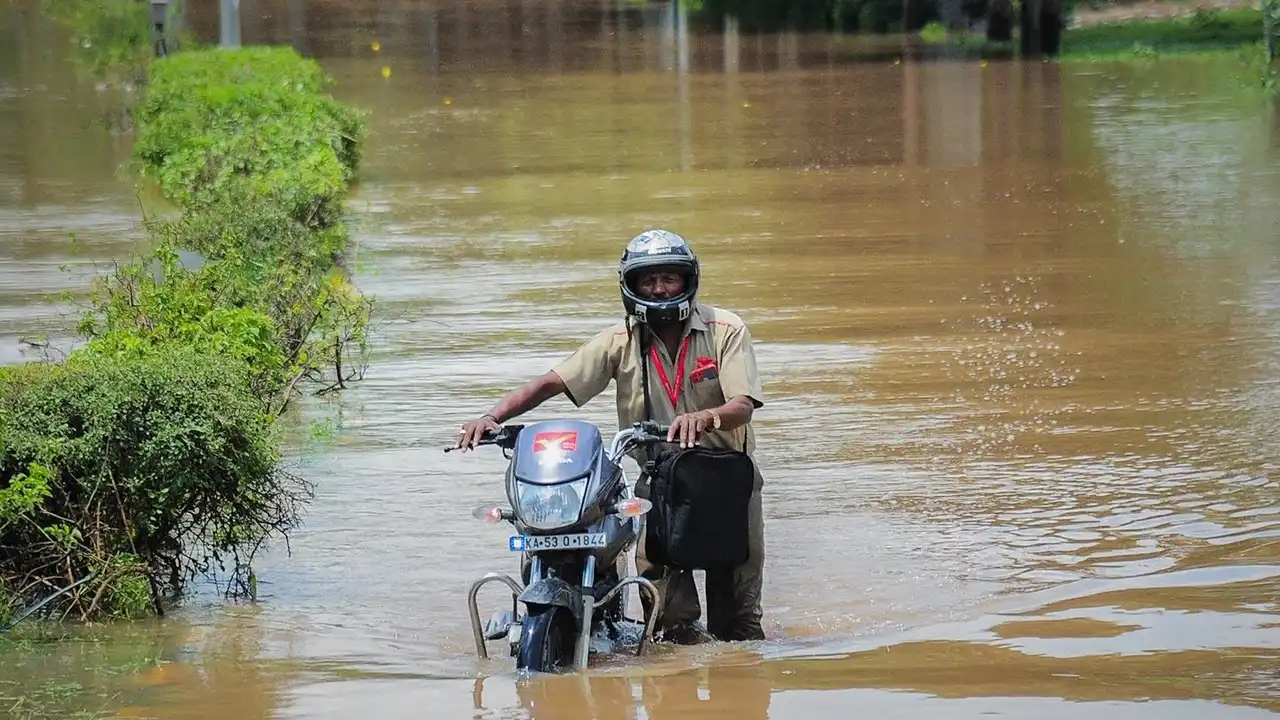
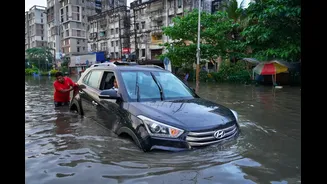
A clogged drain is not just an inconvenience; it's a trigger for a city-wide crisis. The most visible impact is immediate waterlogging, which paralyses traffic and brings entire localities to a standstill. This flooding can cause extensive damage to property, infrastructure, and businesses. But the dangers run deeper. Stagnant water becomes a breeding ground for mosquitoes, leading to outbreaks of vector-borne diseases like dengue and malaria. Furthermore, overflowing drains can contaminate drinking water sources and lead to waterborne illnesses such as typhoid, cholera, and gastrointestinal infections. The foul odours and poor air quality from decaying waste also pose significant health risks, particularly respiratory issues.
The Annual Race Against the Rains
Recognising these high stakes, municipal corporations across India undertake a massive pre-monsoon cleaning drive every year. This is a monumental logistical challenge. Using machinery like poclain excavators and an army of sanitation workers, cities aim to remove hundreds of thousands of metric tonnes of silt and garbage from drains before the first rains arrive. The work often involves clearing major and minor nullahs, inspecting manholes, and repairing damaged sections of the drainage walls. The goal is to complete 100% of this desilting work by a strict deadline, typically the end of May. However, these efforts are often a race against time, sometimes hampered by delays that can leave a city vulnerable when the monsoon hits earlier or with greater intensity than expected.
A Shared Civic Responsibility
While municipal bodies lead the charge, preventing urban floods is a shared responsibility. The single most effective action citizens can take is to stop disposing of garbage in drains and on the streets. Proper waste disposal is fundamental to keeping the drainage network clear. Community-led clean-up drives and public awareness campaigns play a crucial role in fostering a culture of ownership. Additionally, residents can act as the eyes and ears of the city, promptly reporting major blockages or encroachments to local authorities. Some experts also advocate for installing protective grates or nets over drain inlets to prevent large debris from entering the system in the first place. Ultimately, the resilience of a city depends on both proactive municipal action and engaged, responsible citizens.