
A Spectrum of Grains
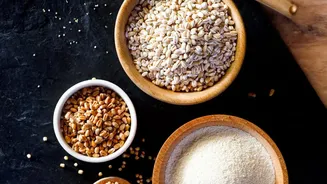
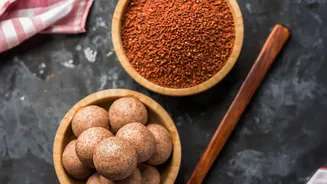
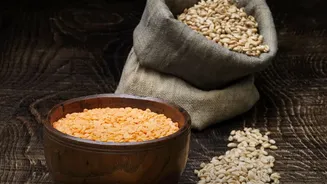
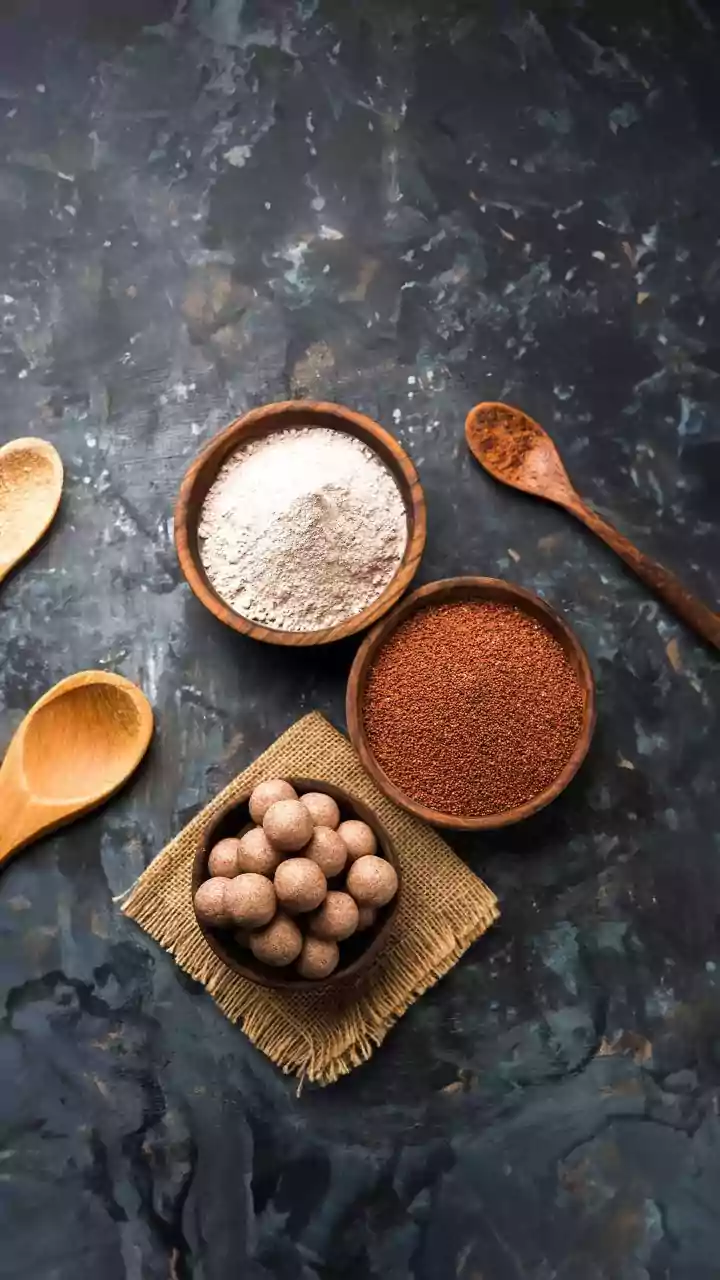
First, it's important to know that 'millet' isn't a single grain. India is home to a wide variety, broadly split into major millets like Jowar (sorghum), Bajra (pearl millet), and Ragi (finger millet), and small millets like Thinai (foxtail), Varagu (kodo),
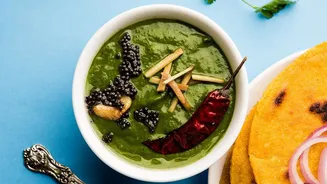
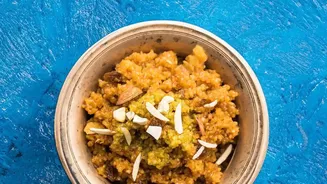
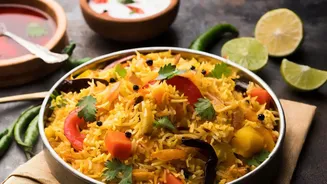
and Samai (little millet). Major millets are often used as flours for rotis and bhakris, while small millets are excellent substitutes for rice in dishes like upma, pongal, or khichdi. Starting with a familiar dish, like a foxtail millet upma or a ragi dosa, can be an easy entry point.
The Vegetarian Power-Up
For vegetarians, millets are a fantastic addition. They are packed with protein, high in dietary fibre, and rich in essential minerals that can sometimes be a concern in plant-based diets. Ragi, for instance, is an exceptional source of calcium, which is vital for bone health. Bajra is known for its iron and magnesium content, while other millets provide B-vitamins, phosphorus, and antioxidants. This nutrient density helps in managing everything from energy levels and digestion to heart health.
Mind the 'Anti-Nutrients'
While incredibly healthy, millets contain naturally occurring compounds called 'anti-nutrients', such as phytic acid and polyphenols (tannins). Phytic acid can bind to minerals like iron, zinc, and calcium in the gut, reducing their absorption. Pearl millet (bajra) also contains goitrogenic compounds that, in very high amounts and with low iodine intake, could potentially interfere with thyroid function. However, this isn't a reason to avoid millets, as simple preparation techniques can significantly reduce these compounds.
Preparation Is Everything
The key to unlocking the full nutritional potential of millets lies in how you prepare them. Soaking is one of the simplest and most effective methods. Soaking millets for a few hours (or overnight for larger grains like bajra) and discarding the water helps reduce phytic acid levels significantly. Other traditional methods like sprouting and fermenting are even more powerful. Fermenting millet batter for dosas or idlis not only cuts down on anti-nutrients but also enhances the bioavailability of nutrients like B-vitamins and amino acids. Even dry roasting millets before cooking can improve their flavour and reduce some anti-nutrients.
Pairing for Complete Protein
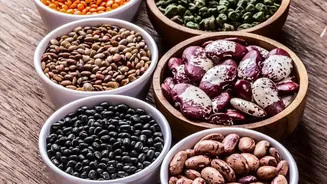
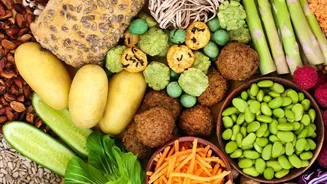
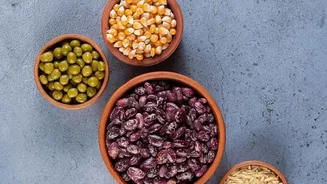
Like most plant-based foods, millets don't contain all nine essential amino acids in optimal amounts on their own; they are typically low in lysine. However, Indian culinary wisdom has an inbuilt solution for this: pairing grains with legumes. When you eat millets with dals, chickpeas, or beans, their protein profiles complement each other perfectly. The legumes provide the lysine that millets lack, and the millets provide the methionine that legumes are low in. A meal of jowar roti with dal, or a khichdi made with bajra and moong dal, creates a complete, high-quality protein source that is ideal for a vegetarian diet.
Start Slow and Diversify
Jumping into a full-millet diet overnight can be overwhelming for both your palate and your digestive system. A more sustainable approach is to start small. Begin by replacing rice or wheat with a millet-based meal just once or twice a week. You could also try mixing 20% millet flour (like jowar or ragi) into your regular whole wheat atta for rotis. This gradual introduction allows your body to adapt. It is also wise to rotate between different types of millets throughout the week to benefit from their diverse nutritional profiles.