




The Anatomy of a Perfect Bowl
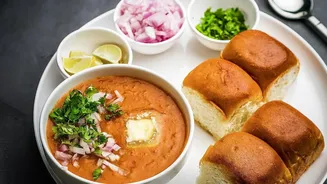
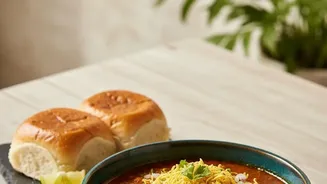
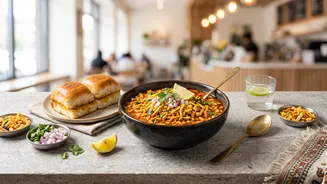
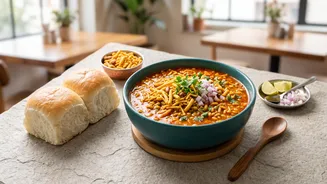
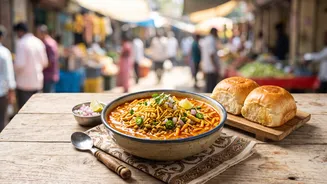
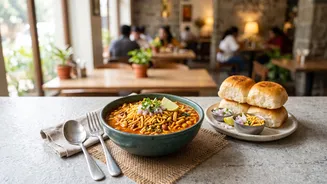
At its heart, Misal Pav is a masterful 'mixture', which is what 'misal' translates to in Marathi. The dish is traditionally built in layers. It starts with a base of 'usal', a curry made from sprouted moth beans, known as 'matki'. This is then generously
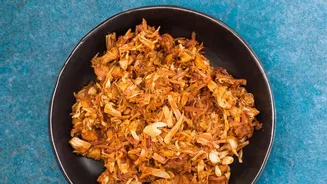
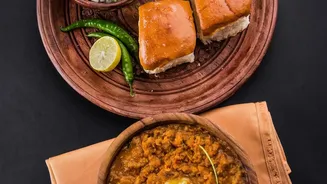
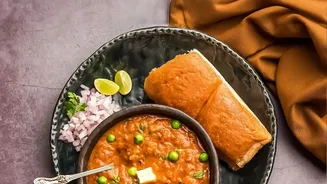
drenched in a spicy, thin gravy called 'kat' or 'tarri', which is famous for the layer of red, flavour-infused oil that floats on top. The bowl is then crowned with a crunchy topping of 'farsan' (a savoury mix), freshly chopped onions, and coriander. A wedge of lemon is served on the side for a tangy finish, with soft, fluffy pav (bread rolls) ready to soak up all the flavour.
The Heart of the Dish: Sprouted Pulses
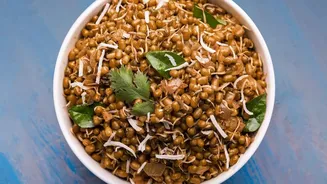
The foundation of any authentic misal is the sprouted moth beans, or matki. These small beans are soaked overnight and then allowed to sprout over a day or two, a process that makes them tender and enhances their nutritional value. The sprouts are pressure-cooked until soft but not mushy, retaining a satisfying bite. This nutty, protein-rich 'usal' provides a wholesome base that balances the dish's more fiery elements. While matki is traditional, some variations also use moong beans or a mix of different sprouted lentils.
The Soul of Misal: The 'Kat' Gravy
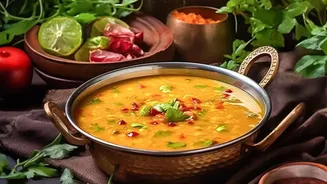
The 'kat' or 'rassa' is the soul of misal, the element that defines its character and heat level. This watery gravy is intensely flavourful, typically made from a base of onion, garlic, ginger, and dry coconut, which are roasted and ground into a paste. It’s then simmered with a special spice blend, often a regional secret like Goda masala or Kolhapuri masala, which gives the gravy its signature deep red colour and fiery taste. This spicy decoction is often prepared separately from the sprout curry, allowing each person to add as much heat as they desire.
A Tale of Many Cities: Regional Rivalries
Misal is not a monolithic dish; it changes from one city to the next, with fierce local pride attached to each version. The Kolhapuri Misal is legendary for its extreme spice, a genuinely ferocious curry that uses a special onion-garlic masala. In contrast, Puneri Misal is often milder, sometimes with a hint of sweetness, and may include poha (flattened rice) in its layers. Nashik Misal strikes a balance, known for its use of a unique black masala ('kala masala') and is often served with a side of papad and curd. These variations reflect the diverse culinary landscape of Maharashtra itself.
More Than Just Breakfast
Originally a humble and affordable meal for mill workers who needed a nutritious, high-energy start to their day, Misal Pav has evolved into a cultural phenomenon. It's a dish that brings people together, served in bustling roadside eateries and celebrated in households as a weekend breakfast ritual. Its accessibility has made it a symbol of culinary inclusivity, enjoyed by everyone from students to office workers. Its journey from a simple working-class meal to a globally recognised dish showcases its universal appeal.
How to Eat It Like a Local
There's an art to eating Misal Pav. The 'proper' way involves using your hands to create the perfect bite. First, use a spoon to mix the crunchy farsan, raw onions, and coriander into the hot gravy. Then, tear off a piece of the soft pav and use it to scoop up a bit of everything—the tender sprouts, the crunchy toppings, and the fiery gravy. Don't be shy about your fingers getting messy; it’s all part of the experience. The combination of the soft, absorbent bread with the complex textures and flavours of the misal is what makes it so satisfying.