


The Search for Authentic Experiences
For young Indians, travel is no longer just about reaching a destination; it's about what happens along the way. Recent travel reports show that Gen Z and millennials are increasingly prioritising trips that offer unique, personal, and experience-rich
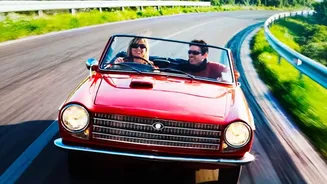
moments. A road trip perfectly fits this desire. It offers the spontaneity to stop at a roadside dhaba, explore a village not on the tourist map, or simply pull over to admire a sunset. This shift is away from a checklist of sightseeing spots and towards collecting a series of meaningful, unscripted memories. Travel has become a form of self-expression, and the open road provides the ultimate canvas. According to one report, 93% of travellers are drawn to the flexibility and spontaneity that road trips offer.
Freedom, Flexibility, and Friendship
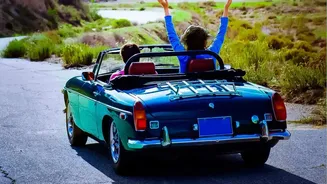
Unlike the rigid schedules of flights and trains, a car offers unparalleled freedom. Plans can change on a whim, detours become adventures, and the luggage you can carry is limited only by the size of your boot. For many young people, travel is becoming a more frequent habit, with a preference for shorter, more regular getaways over one long annual holiday. Road trips are perfectly suited for these quick escapes, allowing groups of friends or partners to plan spontaneously and share costs. This format also fosters a different kind of connection. The shared experience of navigating routes, choosing playlists, and discovering places together strengthens bonds, turning the drive itself into a core part of the vacation.
Better Roads, Smoother Journeys
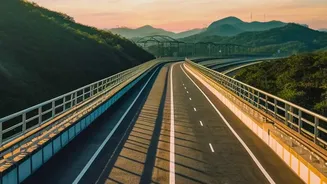
This trend wouldn't be possible without a critical factor: India's rapidly improving infrastructure. Over the last decade, a massive expansion of the national highway network has made road travel faster, safer, and more reliable. The total length of national highways has increased by 60% in the last ten years, with new expressways drastically cutting travel times between major cities. For example, the journey from Bengaluru to Mysuru has been reduced from 3.5 hours to just over an hour. This improved connectivity means that destinations once considered too remote for a weekend trip are now easily accessible, encouraging more people to explore their own backyards. This infrastructure boom is a direct catalyst for the rise in domestic tourism and drivecations.
The Economics of the Open Road
While flying is often perceived as faster, it comes with a growing list of frustrations. Sky-high fares for last-minute bookings, additional charges for baggage, and the time spent commuting to and from airports all add up. For a group of four or five people, driving can be significantly more economical than buying individual plane tickets. While fuel costs are a consideration, the ability to split the expense makes it a budget-friendly option, especially for the 88% of millennial travellers who remain value-conscious. The car rental market in India is also projected to grow substantially, indicating that even those who don't own a car are embracing road travel. For many, the value proposition is clear: a road trip offers a richer experience at a potentially lower overall cost.
From the Mountains to the Coast
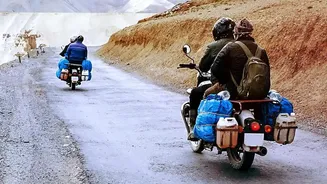
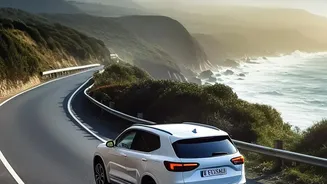
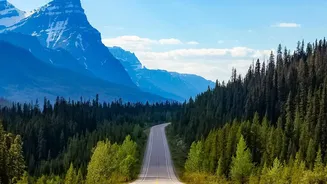
This trend is visible across the country, with certain routes becoming iconic corridors for road trippers. The drive from Mumbai to Goa along the coast, the journey from Chennai to Puducherry via the East Coast Road, and the mountain passes connecting Delhi to Manali are classic examples. But the growth is not just on traditional routes. Data shows the fastest-growing road trip corridors are now between Tier-2 cities, such as Ahmedabad to Vadodara and Delhi to Dehradun, highlighting a broader regional embrace of road travel. Whether it's a coastal drive, a desert exploration, or a winding mountain ascent, young Indians are finding that the greatest adventure often lies on the road ahead.