






Beyond the Spa: The New Priorities
For years, wellness travel was synonymous with luxury spas and high-intensity fitness bootcamps. The 2026 reset, however, is defined by a move away from passive pampering toward active, integrated wellbeing. Travellers are no longer just booking a massage;
they are seeking experiences that address burnout, overstimulation, and a desire for genuine connection. This shift prioritises mental clarity, nervous system regulation, and emotional healing over purely physical goals. The new question isn't just about how to feel good for a week, but how to build sustainable habits that enhance life long after returning home. This deeper purpose is reshaping itineraries, with a focus on peace, quiet, and connecting with nature and loved ones.
Mental and Emotional Healing Take Centre Stage
A key pillar of the 2026 reset is the focus on mental and cognitive health. In response to widespread burnout and digital overload, travellers are seeking intentional escapes that offer tools for stress resilience and emotional regulation. This has given rise to a boom in specific types of retreats. Digital detoxes, where guests disconnect from screens to reconnect with themselves, are increasingly popular. So are emotional healing retreats that provide safe spaces to process life experiences with the help of therapies, proper nutrition, and mindfulness. Even sleep has become a travel goal, with 'sleep tourism' and 'chronocations'—trips designed around resetting your circadian rhythm—gaining traction.
The Rise of 'Wild Wellness' and Eco-Consciousness
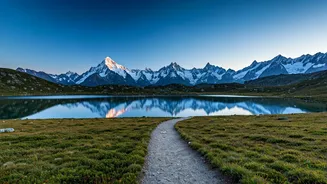
The spa walls are coming down. In 2026, wellness is going wild, with nature itself becoming the primary setting for healing. Experiences are moving outdoors, from jungle-sourced treatments to 'starbathing' in certified dark-sky destinations to regulate the body clock. This trend, sometimes called 'elemental wellness', centres on deliberate exposure to nature, including contrast therapy (alternating between saunas and cold plunges) and thermal bathing in natural hot springs. Hand-in-hand with this is a growing demand for sustainability. Travellers are more conscious of their environmental impact, choosing operators who are committed to protecting and regenerating the very landscapes that provide this sense of restoration.
Authentic Immersion Over Observation
Another significant shift is the move from simple sightseeing to deep cultural immersion. Travellers are looking for authentic connections with the places they visit, and wellness is becoming a vehicle for that. This means engaging with ancient wisdom and local traditions not as exotic add-ons, but as the foundation of the experience. This could involve joining a traditional Mesoamerican sweat lodge ceremony, learning about Ayurveda from practitioners in Kerala, or participating in a Pachamama (Mother Earth) ceremony guided by Andean elders. The goal is to move beyond being a tourist and become an active participant, fostering a genuine exchange that enriches both the visitor and the host community.
The Indian Context: A Global Leader
India is uniquely positioned at the forefront of this global wellness reset. With its 5,000-year-old healing traditions like Ayurveda, yoga, and naturopathy, the country offers the authenticity and holistic depth that modern travellers are seeking. The Indian wellness tourism market is projected to grow significantly, with one report forecasting it to reach nearly USD 44 billion by 2031. Destinations like Rishikesh for yoga, Kerala for Ayurveda, and the Himalayas for spiritual retreats are major draws. This growth is driven by a demand for longer, more immersive programmes that focus on prevention and stress management, with digital detoxes being one of the fastest-growing segments in the country. India's ability to blend ancient practices with modern expectations makes it a leading destination for the new wellness traveller.