






From Pantry Car Roulette to Restaurant-Quality Meals
One of the biggest anxieties of long-distance train travel has always been food. For decades, passengers were limited to the inconsistent quality of pantry car meals or the risky gamble of buying from station vendors during brief halts. This has been completely
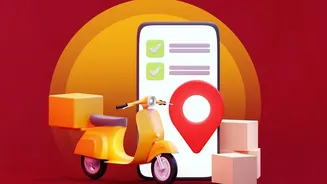
transformed by IRCTC's e-catering service and the integration of food delivery apps. Platforms like Swiggy, Zomato, RailRestro, and IRCTC's own 'Food on Track' app allow you to order meals from a wide array of FSSAI-approved restaurants located along your route. The process is simple: enter your PNR number, choose an upcoming station for delivery, browse menus, and place your order. You can get everything from pizza and biryani to thalis and Chinese food delivered directly to your seat, fresh and hygienically packed. This service eliminates the need to pack food from home or worry about missing your train while fetching a meal.
The Power of Knowing: Live Train Tracking
The infamous question, "Train kahan pahunchi?" (Where has the train reached?), is now answered with a single tap. Live train tracking has become an indispensable feature, putting an end to the uncertainty of delays and arrival times. Using a combination of GPS and data from railway networks, apps like RailYatri, ConfirmTkt, and even Google Maps provide real-time updates on your train's location. You can see where your train is, which stations it has crossed, its running speed, and its estimated time of arrival at your destination. This information is invaluable for managing your time. You know exactly when to head to the station to pick someone up or when you will arrive, allowing for better coordination and reduced stress. Many apps even offer offline tracking capabilities, which is a lifesaver in areas with poor network connectivity.
Beyond Food and Tracking: A Suite of Services
Modern train apps are not just single-feature tools; they are comprehensive travel companions. One of the most critical features is the PNR status check and confirmation prediction. For passengers with waitlisted tickets, these apps use AI and historical data to predict the likelihood of their ticket getting confirmed, helping them decide whether to wait or look for alternatives. This data-driven insight removes a significant layer of travel anxiety. Additionally, these all-in-one apps offer a host of other useful services. You can check seat availability, view train schedules, find your coach position on the platform, and even book tickets for unreserved travel. By consolidating services that once required multiple websites or apps, they streamline the entire travel process from planning to arrival.
Putting the Passenger in Control
Ultimately, the reliance on these apps comes down to one thing: control. Indian train journeys, while iconic, have often been characterised by a lack of predictability. Passengers were at the mercy of delayed schedules, unknown platform numbers, and limited food options. Smart apps change this dynamic completely. They provide the information and tools needed to manage your journey proactively. You can pre-book a meal for your family hours in advance, track a delay to inform your ride, and make an informed decision about a waitlisted ticket. This shift empowers the passenger, turning a passive experience into an actively managed one. Apps like the new RailOne aim to integrate all these services—from booking and tracking to food and complaints—into a single, seamless platform, further simplifying the experience for millions.