




The Monsoon Effect on Your Food
During the monsoon, the air is heavy with moisture. This high humidity is exactly what microbes like bacteria, yeast, and mould need to grow and multiply at an accelerated rate. You might notice that dishes left on the counter spoil much quicker than
they would in drier weather, or that even dry snacks like biscuits lose their crunch. This isn't just an inconvenience; it's a food safety issue. The combination of ambient warmth and constant moisture creates a breeding ground for microorganisms that can contaminate your food, even if it was cooked properly. These invisible invaders are the primary reason you need to be extra cautious with all food, especially leftovers, during the rainy season.
The Hidden Dangers of Spoilage
Contaminated food and water are major causes of illness during the monsoon. When food is not stored correctly in these humid conditions, it can lead to foodborne diseases. Bacteria such as E. coli and Salmonella thrive in this environment. While proper cooking kills most bacteria, some can produce heat-resistant toxins. These toxins are not destroyed by reheating and can cause symptoms like nausea, vomiting, and diarrhoea, commonly known as food poisoning. The risk increases significantly with food that has been cooled and reheated multiple times, a common practice in many households.
Smart Storage: Your First Line of Defence
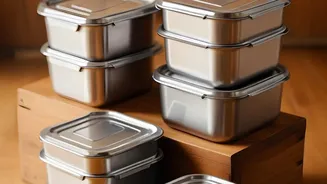
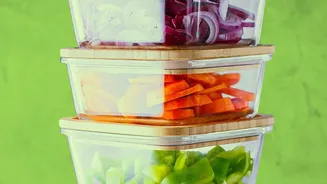
The first step to safe reheating begins with proper storage. Do not leave cooked food out at room temperature for more than two hours; in the monsoon, it's wise to shorten this window even further. Once food has cooled slightly, place it in clean, dry, airtight containers and move it to the refrigerator. This slows down the growth of bacteria. Avoid storing different dishes together in one container, as this can lead to cross-contamination. For items like dals and curries, ensure the lids are sealed tightly to keep excess moisture out. Taking these simple storage precautions is the most effective way to prevent microbial growth from the outset.
The Golden Rules of Reheating
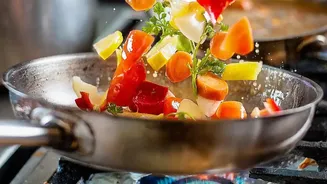
When it's time to eat your leftovers, how you reheat them is crucial. The goal is to heat the food until it is steaming hot all the way through, not just warm. This generally means reaching an internal temperature of 74°C (165°F), which is sufficient to kill off any bacteria that may have developed during storage. Stir the food midway through heating to ensure it heats evenly, especially if using a microwave. Most food safety experts advise reheating food only once. The cycle of cooling and reheating food multiple times significantly increases the risk of food poisoning because even if bacteria are killed, their toxins may remain.
What Happens to Food When Reheated?
Beyond the safety risks, reheating food can also change its quality. Each time you heat food, its texture, taste, and nutritional value can degrade. Water-soluble vitamins, such as Vitamin C and B vitamins, are particularly sensitive to heat and can be lost in the process. Proteins can also be altered, sometimes making the food tougher or drier. While a single reheating, done properly, has a minimal effect, multiple reheating cycles will noticeably diminish the quality of your meal. For the best taste, nutrition, and safety, the mantra should be to cook what you need and, if you have leftovers, store them properly and reheat them only once.
Foods That Need Extra Attention
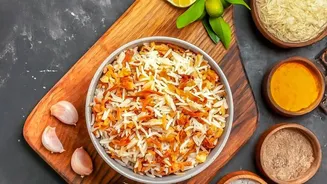
Some foods are more susceptible to bacterial growth and require special care. Cooked rice is a well-known risk; if left at room temperature, spores of a bacterium called Bacillus cereus can grow and produce toxins that cause food poisoning. Potatoes, leafy greens, and protein-rich foods like chicken and eggs are also high-risk and should be refrigerated promptly and reheated thoroughly. During the monsoon, pay extra attention to these items to ensure your meals are both delicious and safe.