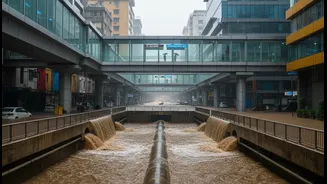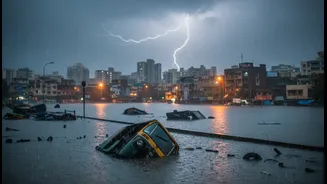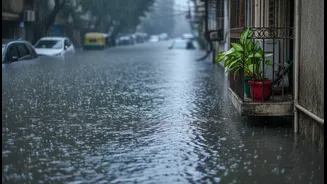









Monsoon Mayhem Strikes Again
This monsoon season, like many before, has seen Kolkata’s airport grappling with severe operational disruptions due to heavy rainfall. In early July 2026, intense showers once again led to significant waterlogging on the airport's tarmac and apron areas.
The immediate result was widespread chaos: numerous flights were delayed, while several others were diverted to other cities like Bhubaneswar and Ranchi, leaving passengers stranded and frustrated. Airlines issued advisories, warning of disruptions and urging travellers to factor in extra time due to waterlogged access roads. Social media was quickly flooded with images and videos from exasperated passengers, showcasing the extent of the waterlogging and questioning the airport's preparedness for predictable weather events.
A Familiar Flood Story
For residents of Kolkata, airport flooding is a recurring chapter in a much larger story of a city at odds with water. The airport, like much of the metropolis, is situated on the low-lying Gangetic delta, making it inherently vulnerable to waterlogging. For years, a combination of aging drainage infrastructure, rapid and often unplanned urbanisation encroaching on natural wetlands, and the sheer volume of monsoon rain has created a perfect storm. While airport authorities often point to unprecedented rainfall, experts argue that these extreme weather events are becoming the new normal due to climate change. Reports from previous years show a consistent pattern of inundated runways, flooded access roads, and a cycle of blame between airport officials, civic bodies, and even Metro construction authorities.
From Reactive Fixes to Proactive Planning
In the past, the response to airport flooding has been largely reactive. High-capacity pumps are deployed to drain water, airlines issue advisories, and authorities release statements acknowledging 'temporary disruptions'. While necessary, these measures are short-term fixes for a deep-rooted systemic problem. However, the increasing frequency and severity of these incidents are fundamentally changing the conversation. The focus is slowly but surely shifting from merely managing a single flooding event to addressing the long-term vulnerability of a critical piece of national infrastructure. The discussion is no longer just about deploying more pumps, but about whether the existing drainage systems, designed for a different era and climate, are fit for purpose.
The New Climate-Resilient Blueprint
The story of Kolkata's airport is now a case study in the urgent need for climate adaptation. Urban planners and environmental scientists are calling for a complete overhaul of infrastructure planning. The emerging consensus is that isolated upgrades at the airport are insufficient. Instead, a holistic, city-wide approach is needed that integrates airport planning with urban water management. This includes upgrading and desilting the city’s century-old canal systems, protecting and rejuvenating the East Kolkata Wetlands which act as a natural sponge, and investing in climate-resilient construction. The Asian Development Bank and other bodies have noted that future infrastructure projects must account for projected increases in rainfall intensity, a clear sign that climate change is now a key variable in the engineering and financial calculus.