




Prepare Your Vehicle Thoroughly
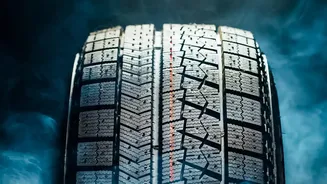
Before you even think about hitting the road, a comprehensive vehicle check is non-negotiable. Pay special attention to your tyres, brakes, lights, and wipers. Ensure your tyres have adequate tread depth to grip slippery roads and are inflated to the correct
pressure. Worn-out tyres are a major risk for hydroplaning, where a layer of water builds between the tyre and the road, causing a loss of traction. Your brakes will be under immense strain on steep descents, so have them inspected. Finally, check that all your lights—headlights, taillights, brake lights, and fog lamps—are in perfect working order. Clean the lenses for maximum visibility, which is crucial for night driving in heavy rain. Don't forget to top up your windshield washer fluid and check your wiper blades; if they leave streaks, replace them.
Adapt Your Driving Style
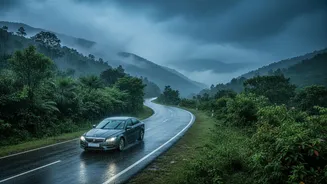
Driving on ghats is not the same as cruising on a highway. Reduce your speed significantly. A slower pace gives you more time to react to sharp turns, hidden potholes, or unexpected obstacles. Always maintain a much longer following distance from the vehicle in front of you—at least double what you would in dry conditions—as braking distances increase dramatically on wet roads. When navigating steep inclines or descents, use lower gears. This technique, known as engine braking, gives you better control over your vehicle's speed and reduces the strain on your brakes, preventing them from overheating. Avoid sudden acceleration or abrupt braking, as these actions can easily cause your car to skid.
Master Low-Visibility Conditions
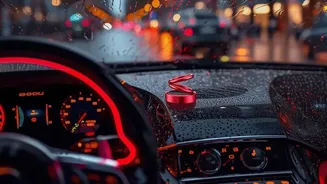
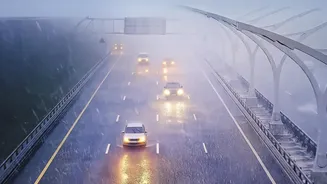
Rain, fog, and the darkness of night create a trifecta of low visibility. Always use your low-beam headlights during the day and night when it's raining to make yourself visible to other drivers. It is strongly advised not to use high beams in heavy rain or fog, as the light will reflect off the water droplets and can worsen your visibility. Keep your windshield and windows clean, using the defogger to prevent them from fogging up. If visibility becomes extremely poor, the safest option is to pull over to a safe location, away from the main road and potential hazards like trees or electricity poles, and wait for conditions to improve.
Navigate Waterlogging And Landslides
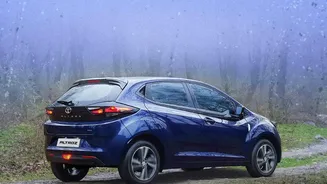
Waterlogged roads and landslides are serious threats in the ghats during monsoon. Never attempt to drive through deep or fast-moving water; just a foot of water can float most cars, and two feet can sweep away even larger vehicles. If you encounter a puddle, slow down, as it could be hiding a deep pothole that could damage your vehicle. It's often best to find an alternative route. Be vigilant for signs of potential landslides, such as falling rocks or cracks in the road. If you are caught in a landslide, stay inside your vehicle; it offers a protective cage. Avoid parking near cliffs or slopes where debris might fall.
Prioritise Rest and Alertness
Overnight driving is physically and mentally demanding, especially on challenging ghat roads. It is crucial to be well-rested before you begin your journey. Plan your trip to include regular breaks to stretch, rest your eyes, and combat fatigue. If possible, avoid driving during the heaviest rainfall, which often occurs at night. Minimise distractions inside the car, such as loud music or intense conversations. Pay close attention to road signs, which provide vital warnings about sharp curves and steep gradients ahead. Before you leave, check the weather forecast and any advisories issued by local authorities.
Pack an Emergency Kit
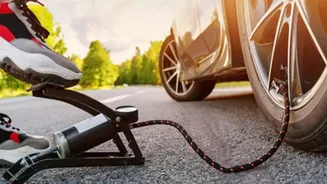
Getting stranded in a remote ghat section is a real possibility. Your emergency kit is your lifeline. It should include a well-stocked first-aid kit with basic medicines, a powerful flashlight, and a fully charged power bank for your phone. A puncture repair kit and a portable tyre inflator are essential, as repair shops can be few and far between. Also pack a tow rope, jumper cables, and a reflective warning triangle. Having extra food, drinking water, and blankets can provide comfort if you have to wait for help. Keep digital and physical copies of your essential documents like your driver's license, vehicle registration, and insurance in a waterproof sleeve.