



The Monsoon's Opening Act
There’s a certain magic to the way bhutta stalls appear almost overnight. One day the streets are sweltering under the summer sun; the next, as clouds gather, the 'bhuttawallas' are there. They arrive with their carts piled high with fresh corn, a small
portable grill filled with charcoal, and a simple fan to coax the embers to life. For many, the sight and sound of corn kernels popping and charring over a live flame is the true announcement that the monsoon has arrived. It's a sensory experience that transcends the snack itself—the hiss of the coals, the sight of the vendor expertly turning the cobs, and the warm, smoky air that offers a comforting contrast to the cool, damp weather. This simple street food becomes a beacon, drawing people from all walks of life to huddle under an awning and wait for their turn.
A Taste of Nostalgia
Bhutta is more than just corn; it’s a vessel for memory. For generations, it has been intertwined with rainy day experiences—a walk on Marine Drive, a long drive to a nearby hill station, or simply a childhood memory of sheltering from a downpour. The snack is a great leveller, enjoyed by office-goers in suits, students on their way home, and families out for an evening stroll. Its affordability and accessibility make it a universal pleasure. This shared experience builds a collective nostalgia, where the tangy, spicy flavour of a freshly roasted cob becomes synonymous with the joy and relief that the monsoon brings. It’s a tradition passed down, a simple pleasure that connects the past with the present, reminding us of simpler times.
The Art of the Perfect Cob
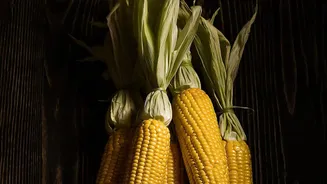
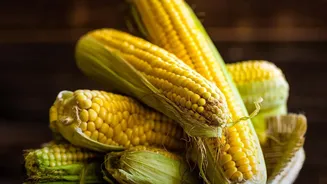
The preparation of bhutta is a performance in itself. It starts with selecting the right cob—usually the desi variety, which is less sweet and starchier than American sweet corn, making it perfect for roasting. The vendor peels back the husk, using it as a handle, and places the corn directly onto the glowing coals. With a rhythmic fanning motion, they rotate it carefully, ensuring an even char without burning the kernels. Once roasted to perfection, the real magic begins. A half-cut lime is dipped into a mixture of salt, red chilli powder, and often chaat masala or black salt (kala namak). This seasoned lime is then vigorously rubbed all over the hot cob, its juice releasing the spices and creating a flavour profile that is simultaneously smoky, tangy, spicy, and salty. Every bite is a burst of complex flavours that perfectly complements the chewy, tender kernels.
Not Just Delicious, But Healthy Too
In an era of complex and often unhealthy street food, bhutta stands out as a relatively wholesome option. Corn is a good source of dietary fibre, which aids digestion and helps you feel full. It's also packed with essential nutrients, including B vitamins, vitamin A, and antioxidants like lutein and zeaxanthin, which are beneficial for eye health. Because it's roasted rather than deep-fried, it’s a low-fat snack. The traditional Indian variety of corn, in particular, provides a good workout for your jaw and is less sugary than modern sweet corn hybrids. While new variations exist—such as boiled corn cups with butter, cheese, or mayonnaise—the classic roasted bhutta remains the healthiest and most iconic version of this beloved monsoon treat.