





The Economics of Entertainment
The most significant factor in this shift is simple math. A single trip to a multiplex for two people can be a major expense. Ticket prices in metropolitan areas can range from ₹250 to over ₹800, especially for blockbuster films in premium formats. Add
the cost of travel, parking, and the famously overpriced snacks—where a combo can easily cost another ₹500 to ₹900—and a single movie night can approach ₹2,000 or more. In stark contrast, the cost of an entire month's subscription to a streaming service like Netflix, Amazon Prime Video, or Disney+ Hotstar is often less than the price of one movie ticket. For the price of one family outing to the cinema, a household can have a year's worth of access to a vast library of content, making home streaming the undisputed champion of value.
Convenience is the New King
Beyond cost, the sheer convenience offered by Over-The-Top (OTT) platforms is a game-changer for a generation that values flexibility. Streaming eliminates fixed showtimes, travel, and the hassle of booking tickets for popular films. The power to watch anytime, anywhere, on any device—be it a smartphone, laptop, or smart TV—fits seamlessly into modern, often hectic, lifestyles. Viewers can pause for a break, re-watch a favorite scene, and enjoy content without the disturbances of a public theatre. This on-demand nature has fundamentally altered viewing habits, making entertainment a personalized and user-controlled experience rather than a scheduled event.
A Universe of Content on Demand
Theatrical releases are limited to a handful of new films each week. Streaming platforms, on the other hand, offer a seemingly infinite library of content. This includes not just the latest movies (often arriving just weeks after their cinema run), but also exclusive web series, international films, documentaries, and regional content that might never get a wide theatrical release. This variety caters to diverse and niche tastes that the blockbuster-focused cinema industry often overlooks. For young viewers, whose tastes are often global, the ability to switch from a Korean drama to a Spanish thriller or an Indian regional-language gem is a major draw that traditional theatres cannot match.
The Changing Social Experience
While cinemas have traditionally been a social venue, the nature of social viewing is also evolving. The rise of 'binge-watching' has created a new kind of shared cultural experience, fueled by discussions on social media. Watching a new season of a hit show has become a collective event, even when consumed individually. Furthermore, the comfort of home allows for a different kind of social gathering—a movie night with friends or family where the experience is more intimate and personalised. While the grand, immersive experience of a cinema still holds appeal for spectacle-driven blockbusters, many viewers now reserve it for those specific 'event' films, opting for the comfort and control of home for everything else.
Is This the End for Theatres?
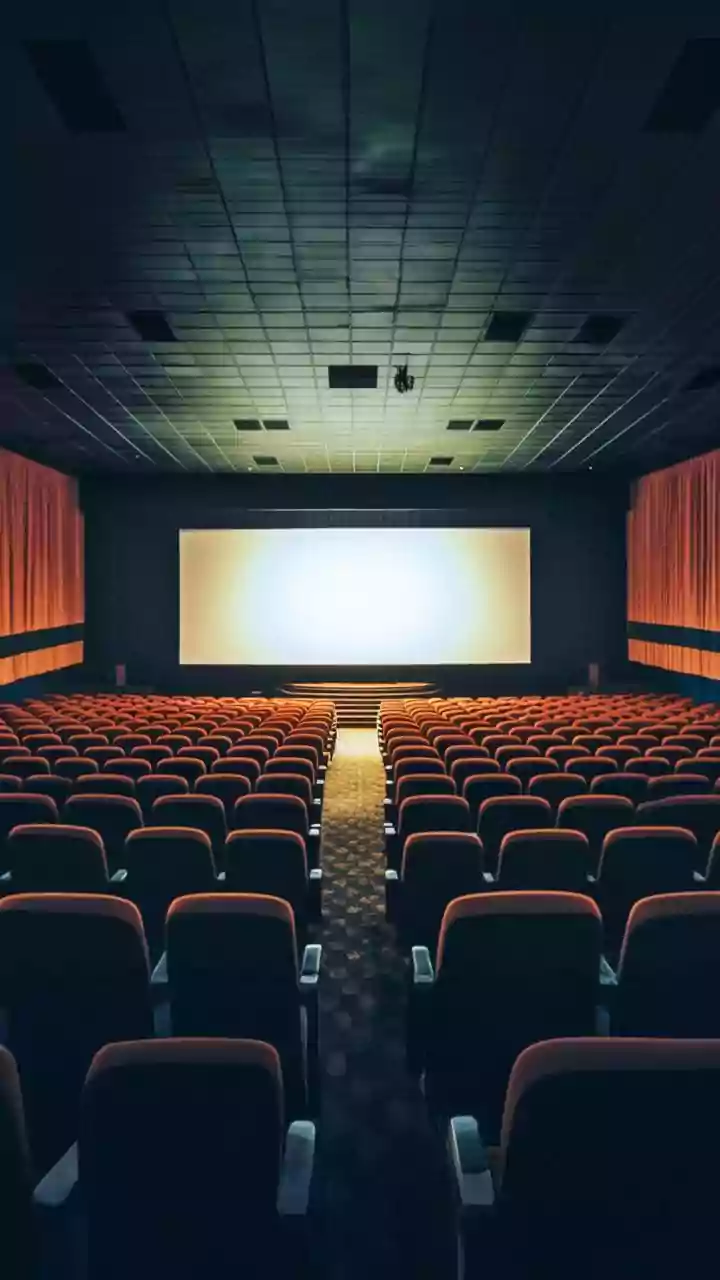
This shift doesn't necessarily spell doom for movie theatres, but it does signal a need for evolution. The cinema is no longer the default option for watching a film; it is a premium choice. Theatres are now competing not just with each other, but with the combined might of every streaming service. To stay relevant, they must offer an experience that simply cannot be replicated at home—think superior sound and visual technology like IMAX, luxurious seating, and unique event screenings. The audience has become more selective, willing to pay for a true spectacle but content to wait for smaller, story-driven films to land on streaming platforms. The monopoly on movie-watching is over, replaced by a complex ecosystem where both home streaming and theatrical experiences coexist, each serving a different purpose.