





Understanding 'Circulation' in Your Bedroom
When interior designers talk about circulation, they mean more than just airflow. It refers to the path your body takes as you move around a room—from the door to the closet, to the window, and to your bed. In a small bedroom, good circulation is crucial.
It means creating clear, unobstructed pathways that make the space feel intuitive and easy to navigate. A cluttered path creates mental and physical friction. A clear path, on the other hand, promotes a sense of ease and openness. This concept also aligns with principles found in Vastu Shastra and Feng Shui, which emphasize that a smooth flow of energy (or 'qi') contributes to a more restful and positive environment.
The Commanding Position: Your First Priority
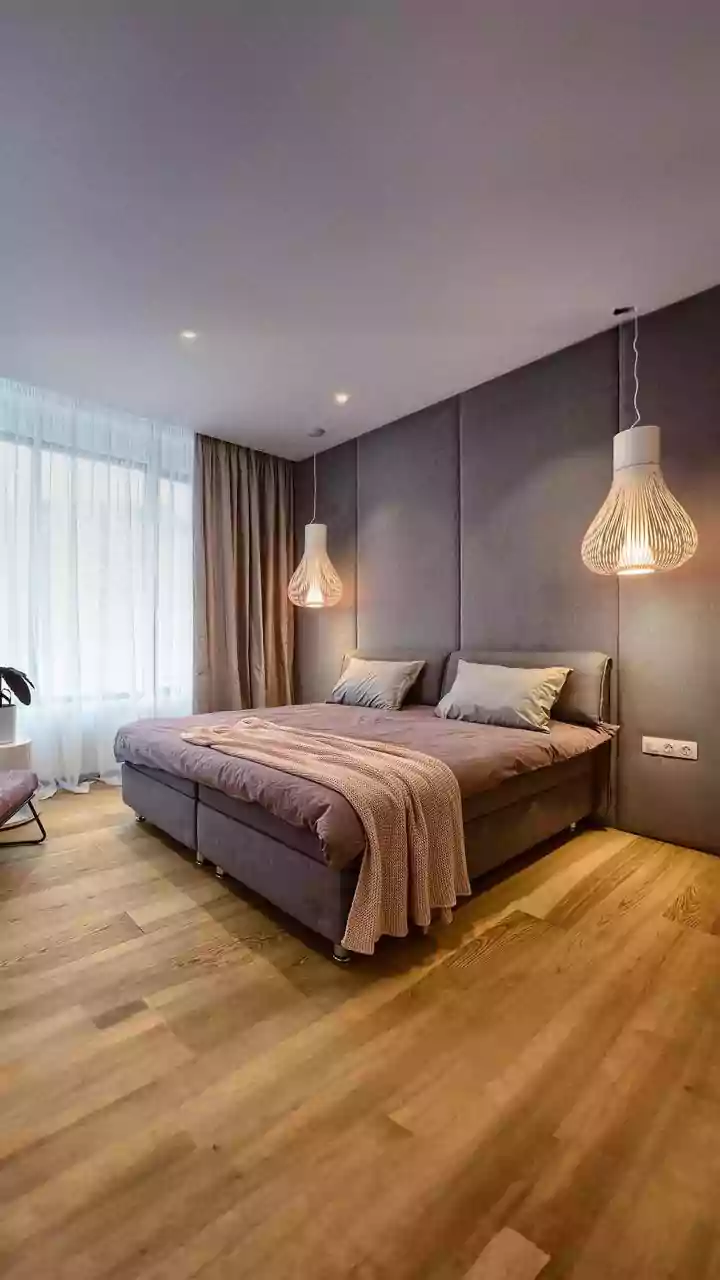
The most important piece of furniture is your bed, and its placement is key. The ideal spot is often called the 'commanding position'. This means placing the bed where you can see the door without being directly in line with it. This layout provides a sense of security and psychological comfort. Ideally, the bed should be against a solid wall, which offers a feeling of support. Vastu principles often recommend placing the bed in the southwest part of the room with the headboard to the south or east, believing this direction promotes deep, restorative sleep. While not always possible in small apartments, the core idea remains the same: create a secure, stable base for your bed.
Layout 1: The Symmetrical Anchor
The most common and often most effective layout is placing the bed against the centre of the longest, most visible wall. This creates a natural focal point and allows for symmetrical arrangement, such as a small nightstand and lamp on each side. Even if the space is tight, this balance helps the room feel organised and intentional rather than cramped. It provides two clear paths to the bed, which enhances the feeling of spaciousness. If you can't fit two full nightstands, consider a narrow, floating shelf on one side to maintain function without consuming floor space.
Layout 2: The Cosy Corner Solution
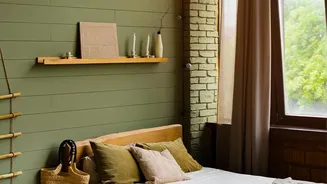
In very small or awkwardly shaped rooms, pushing the bed into a corner might be the only viable option. While designers often advise against this because it can feel constricting, it can also create a cosy, den-like nook. If you choose this layout, make it feel deliberate. Use beautiful pillows and a plush throw to style it as a daybed. Ensure the other side of the room is kept as open as possible to compensate for the tight fit. This layout works best for a single person, as accessing the bed can be tricky for two.
Beyond the Bed: Smart Furniture Choices
In a small bedroom, every piece of furniture must justify its footprint. Opt for pieces that are 'visually light'. Furniture with raised legs—be it a dresser, chair, or even the bed frame itself—allows you to see the floor underneath, creating an illusion of more space. Use vertical space to your advantage with tall, narrow wardrobes or bookshelves, which draw the eye upward and keep the floor clear. Multi-functional furniture, like a storage ottoman or a bed with built-in drawers, is also a game-changer for keeping clutter at bay. Finally, a well-placed mirror can work wonders by reflecting light and creating an illusion of depth, effectively making the room feel larger.