







The Myth of the Magic Number
The 'eight glasses a day' rule is one of the most persistent health mantras, but it has surprisingly little scientific backing. This recommendation likely originated from a 1945 Food and Nutrition Board guideline that has been largely taken out of context.
The original advice mentioned that most of this fluid could come from various sources, including the foods we eat—a detail that is often forgotten. Modern nutritionists emphasize that hydration needs are highly individual. Factors like your age, body size, diet, activity level, and even the climate you live in can significantly alter your fluid requirements. General recommendations from The U.S. National Academies of Sciences, Engineering, and Medicine suggest about 15.5 cups (3.7 liters) of total fluids a day for men and 11.5 cups (2.7 liters) for women, but this includes fluid from all beverages and foods.
You Can Eat Your Water
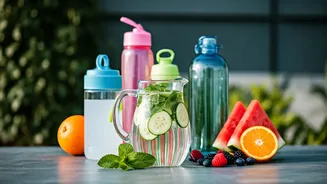
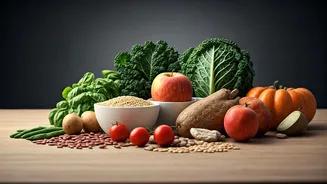
Drinking water is crucial, but it's not the only source of hydration. Many foods have a high water content and contribute significantly to your daily fluid intake—about 20% for the average person. Fruits and vegetables are excellent examples. Watermelon and strawberries are over 90% water, while cucumbers, celery, and lettuce are over 95% water. Even foods like yogurt, soups, and oatmeal can help you stay hydrated. Incorporating these water-rich foods into your diet is an effective strategy to meet your body's needs. Other beverages like milk, herbal teas, and even coffee in moderation also count towards your daily fluid total. In fact, some studies have shown milk to be more hydrating than water over a longer period because it contains natural electrolytes and nutrients that help your body retain fluid.
Listen to Your Body's Signals
Instead of obsessively tracking glasses, a more intuitive approach is to listen to your body. Thirst is your body's primary signal that you need to drink, though it's often an early sign of dehydration, not a late one. By the time you feel thirsty, you may already be slightly dehydrated. A more reliable, real-time indicator is the color of your urine. Pale, straw-colored yellow generally means you are well-hydrated, while a darker yellow or amber color is a clear sign you need to drink more fluids. Other symptoms of dehydration can include fatigue, dizziness, headaches, dry mouth, and muscle cramps. Paying attention to these cues helps you respond to your body's needs dynamically throughout the day.
Adjust for Activity and Environment
Your hydration needs aren't static; they change with your circumstances. Physical activity is a major factor, as you lose fluids through sweat. For moderate exercise, water is usually sufficient, but for intense workouts lasting over an hour, you may need to replenish electrolytes as well. The environment also plays a huge role. Hot and humid weather increases sweat production, demanding a higher fluid intake to compensate. Even cold weather can be dehydrating, as you lose more water through respiration in cold, dry air. Similarly, living at a higher altitude can increase your fluid needs. Certain health conditions and medications can also affect your hydration status, making it important to consider your personal context.
Don't Forget Electrolytes
True hydration isn't just about the volume of water you consume; it's also about balance. Electrolytes are essential minerals like sodium, potassium, and magnesium that carry an electrical charge when dissolved in body fluids. They are critical for regulating fluid balance, nerve signals, and muscle contractions. When you sweat, you lose both water and electrolytes. Replenishing with just water, especially after intense or prolonged exercise, can dilute the electrolytes remaining in your body, leading to an imbalance. This is why sports drinks can be beneficial for athletes, as they help restore both fluids and essential minerals. For most daily activities, you can get sufficient electrolytes from a balanced diet rich in fruits, vegetables, and dairy products.