



Oranges (Santra)
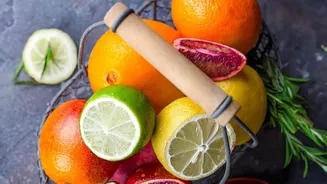
The quintessential winter fruit, oranges are at their sweetest and juiciest during the colder months. Cultivated extensively in regions like Nagpur, these vibrant globes are synonymous with a winter morning's sun. They are celebrated for their high vitamin
C content, which is crucial for boosting the immune system to ward off seasonal colds and flu. Beyond immunity, the fibre in oranges aids digestion, while their antioxidants help promote healthy skin. Enjoy them freshly peeled for a refreshing snack, squeeze them for a glass of revitalising juice, or add their segments to salads for a zesty twist. The peel itself contains a high amount of nutrients and can be used to flavour dishes.
Guava (Amrood)
Often hailed as a winter superfood, guava is an affordable and incredibly nutritious option. It is one of the richest sources of vitamin C, containing even more than oranges, making it a powerhouse for strengthening immunity. The high dietary fibre content in guava is excellent for digestive health, helping to prevent constipation, which can be more common with a less active winter lifestyle. It also promotes a feeling of fullness, making it a smart snack for weight management. Sliced and sprinkled with a bit of salt and chilli powder, guava becomes a truly iconic Indian snack. Its leaves are also used in traditional remedies, often boiled into a tea.
Pomegranate (Anar)
With their jewel-like seeds, pomegranates add a splash of festive colour to the winter palate. While available in some form year-round due to different harvest cycles, the 'mrig bahar' crop ensures they are plentiful from December to February. Pomegranates are packed with powerful antioxidants, which are beneficial for heart health. They are also a good source of iron and vitamins that support overall well-being. The seeds, or arils, can be eaten on their own, sprinkled over salads and yoghurt, or blended into juices. The popular 'Bhagwa' variety is known for its sweet, bold arils and thick skin, which makes it suitable for storage.
Custard Apple (Sitaphal)
Arriving in the autumn and lasting into early winter, the custard apple is a unique and decadent treat. Its creamy, sweet pulp tastes like a natural dessert and is beloved across India. This fruit is a rich source of vitamins C and B6, as well as minerals like potassium and magnesium, which contribute to heart health and help regulate blood pressure. Its high fibre content aids digestion and can help prevent issues like constipation. Sitaphal is best enjoyed by scooping the flesh out with a spoon, but be sure to discard the shiny black seeds. It is also popularly used to make milkshakes, ice creams, and other sweets.
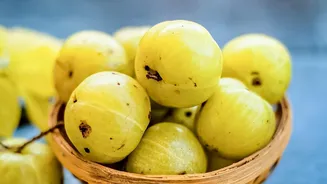
Indian Gooseberry (Amla)
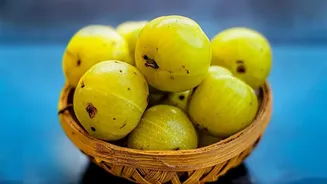
Amla is a small, tart fruit with a massive reputation in Ayurvedic tradition for its health-giving properties. It is one of the most potent natural sources of vitamin C, an antioxidant that helps bolster the immune system and protect cells from damage. Amla is also known to support digestive health, improve skin and hair, and help regulate blood sugar levels. Its sour taste means it's not often eaten raw. Instead, it is commonly pickled (amla achaar), candied (amla murabba), or juiced. Amla powder is also a popular supplement, easily added to water or smoothies to reap its benefits.
Indian Jujube (Ber)
The Indian jujube, or ber, is a crunchy, sweet-tart fruit that floods the markets in winter. This small, round fruit is a nutrient-dense snack, low in calories but high in fibre, vitamins, and minerals. Ber is an excellent source of vitamin C and antioxidants, which help strengthen the immune system and protect the body from oxidative stress. The dietary fibre aids in digestion and promotes a feeling of fullness, which can assist with weight management. Ber can be enjoyed fresh as a crunchy snack, or it can be dried, which concentrates its sweetness, making it a healthy alternative to candy.