
The Challenge of Urban Living
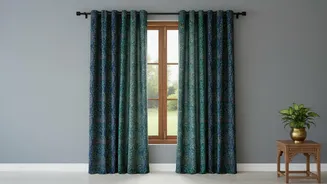
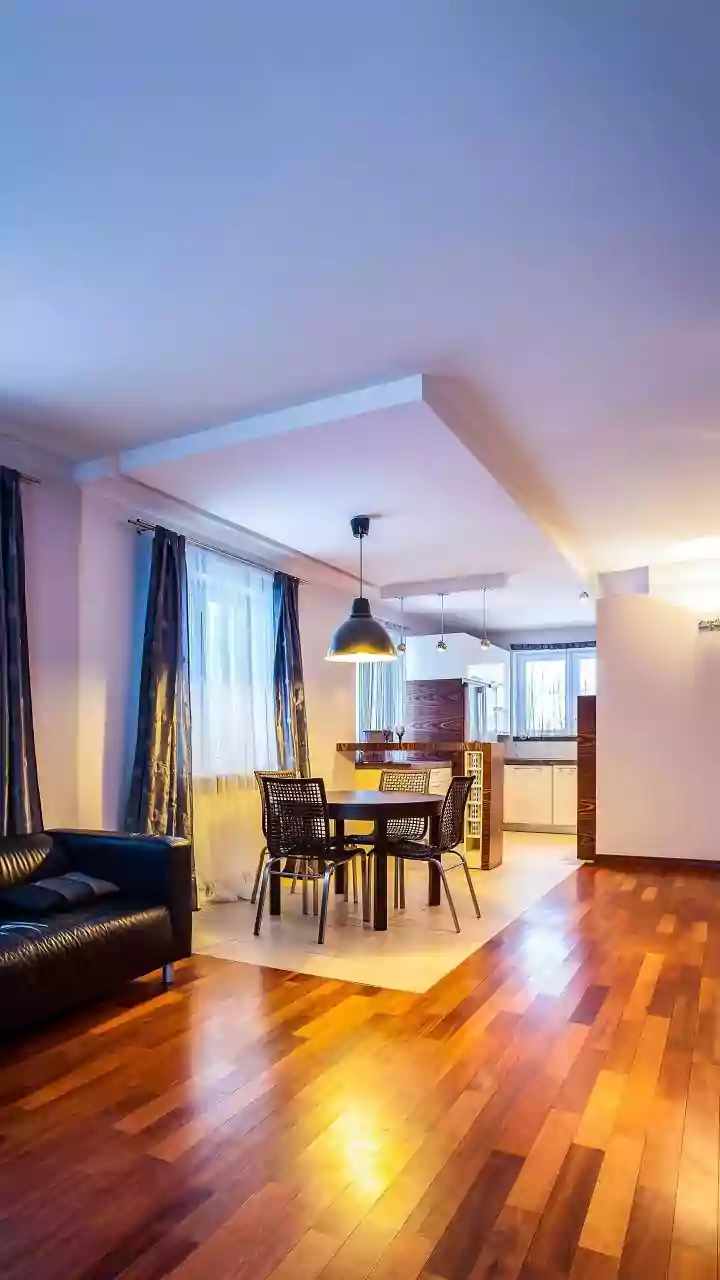
Urban apartments, especially in bustling Indian cities, are our cherished havens. Yet, they often present a dual challenge: managing the intense heat and sunlight while dealing with limited space and sometimes inadequate ventilation. Heavy, conventional
curtains can block precious light, making rooms feel smaller and darker. Conversely, thin or non-existent window treatments can lead to sweltering interiors and a complete lack of privacy. Finding a balance that keeps the home cool, bright, and private is a common struggle. This is where a traditional garment finds a surprisingly modern and effective application, turning a problem into an opportunity for beauty and function.
A Breath of Fresh Air: How Cotton Enhances Ventilation
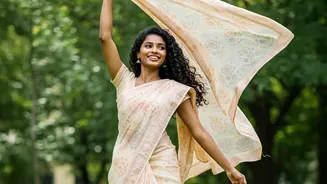
The key to better ventilation lies in the fabric. Natural fibres like cotton are inherently breathable. Their woven structure allows air to pass through freely, unlike synthetic materials like polyester that can trap heat and make a room feel stuffy. When a gentle breeze flows, lightweight cotton saree drapes will flutter, actively helping to circulate air rather than just blocking it. This creates a subtle but constant air exchange, reducing humidity and preventing the space from feeling stagnant. In a climate where keeping cool is a priority, using a fabric that works with the airflow, rather than against it, can significantly improve the comfort of your home without relying solely on fans or air conditioning. It’s a simple, passive cooling method rooted in the natural properties of the material.
A Painterly Glow: Mastering Soft, Natural Light
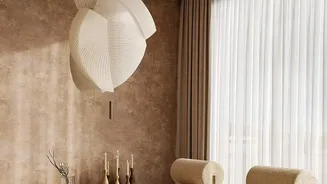
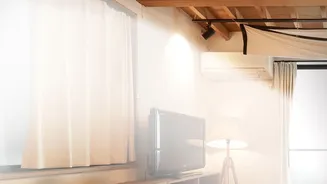
One of the most transformative qualities of using light-coloured cotton or chiffon sarees as curtains is their ability to manage sunlight. Instead of blocking light entirely, they act as diffusers. The fine fabric scatters the harsh, direct rays of the sun, bathing the room in a soft, even, and gentle glow. This eliminates the sharp shadows and intense glare that can make a room uncomfortable during peak sun hours. The result is an ambient, luminous atmosphere that feels larger and more inviting. You get to enjoy the brightness of daylight without the accompanying heat and intensity, creating a perfect environment for work, relaxation, or simply enjoying your home.
A Story in Every Thread: The Beauty of Upcycling
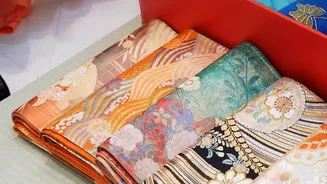
Choosing upcycled sarees is a decision that extends beyond mere aesthetics; it's a vote for sustainability and individuality. Each repurposed saree carries a history—a unique blend of colours, patterns, and memories that cannot be replicated by mass-produced textiles. By turning a pre-loved garment into a functional piece of home decor, you are preventing textile waste and participating in a circular economy. This practice not only supports ethical and sustainable living but also infuses your home with character. Whether it's your mother’s old cotton saree or a vintage piece sourced from a local artisan, the resulting drapes become a conversation starter, a piece of functional art that tells a unique story.
Making It Work: Practical Tips for Saree Drapes
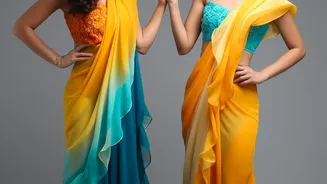
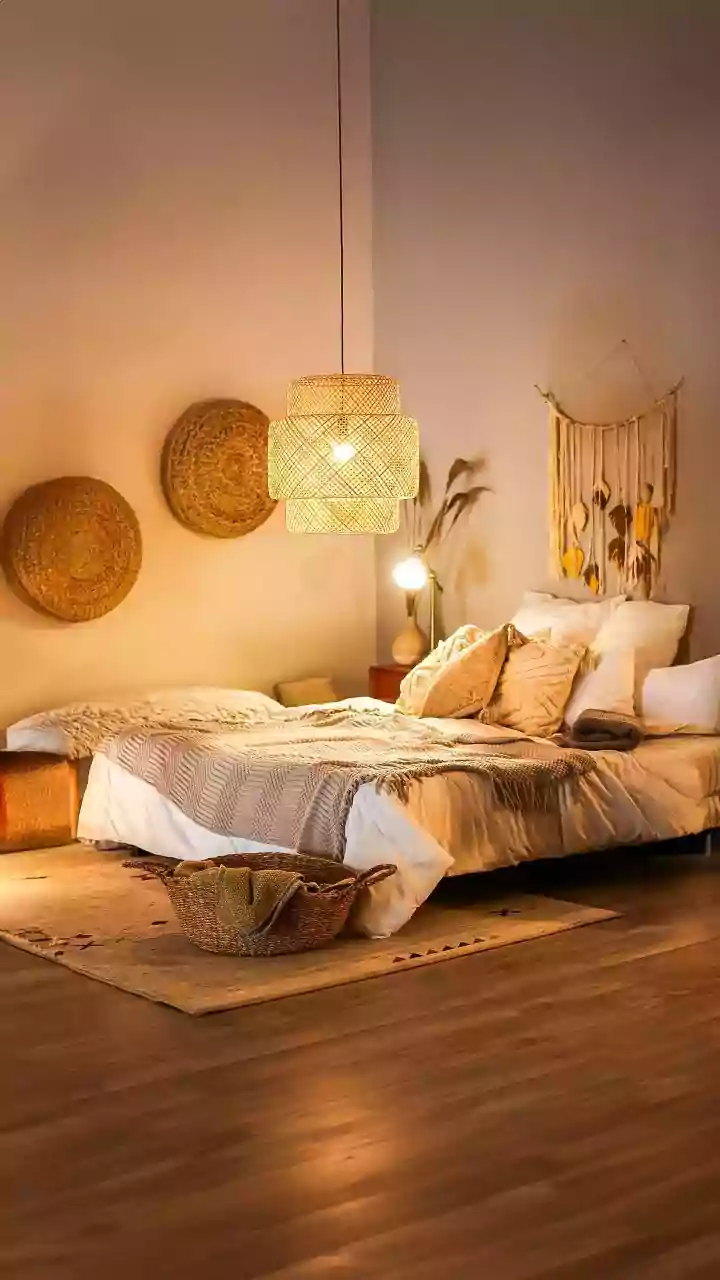
Incorporating saree drapes into your home is refreshingly simple. For the best ventilation and light diffusion, opt for lightweight cottons, voiles, or chiffons. Darker or heavier silks can be used for a more dramatic, light-blocking effect in bedrooms or for festive occasions. You can use the entire six to nine yards for a luxurious, flowing look on a large window or balcony door, or have them tailored to fit smaller windows. Consider adding a simple cotton lining if you desire more privacy or want to protect a delicate fabric. Don't be afraid to mix and match patterns for a bohemian vibe, or use a single, elegant print for a more minimalist aesthetic. The beauty of this idea lies in its versatility and personal touch.