







The New Priorities: Fuel and Function
The modern workplace lunch is no longer just a break; it’s a strategic tool for productivity. A wave of health consciousness, spurred by a greater awareness of lifestyle-related diseases, has swept through India Inc. [10] Employees, especially from Millennial
and Gen Z generations, are increasingly seeking meals that do more than just satisfy hunger—they want food that fuels performance. [4, 11] This means a menu rich in lean proteins, whole grains, and fresh vegetables, designed to prevent the dreaded afternoon slump. [23] Companies are responding by overhauling their cafeterias, moving away from high-fat, high-sugar options and towards nutrient-dense, energising meals that improve focus and mood. [10]
Nutrition Takes Centre Stage
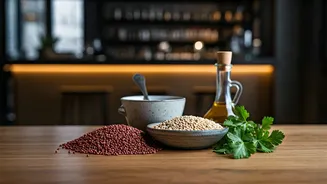
The demand for healthier options is specific and sophisticated. Plant-based meals are no longer a niche request but a mainstream expectation, with companies integrating dishes like ragi and quinoa bowls, jackfruit biryani, and vegan alternatives into their regular offerings. [3, 8, 11] There is a clear shift towards 'functional nutrition', where food is viewed as a form of preventative medicine. [4] In response, corporate caterers are introducing low-GI (glycemic index) foods for diabetics, gluten-free choices, and homestyle meals prepared with less oil and salt. [10] Even desserts are getting a makeover, with natural sweeteners like jaggery and dates replacing refined sugar. [11] This is driven by the understanding that better nutrition directly translates to a healthier, more productive workforce with lower rates of absenteeism. [4, 10]
Convenience is the Undisputed King
In today’s fast-paced work environment, speed is just as important as nutrition. [22] Hectic schedules and hybrid work models have made traditional, hour-long lunch breaks a rarity. [6, 24] This has fueled the rise of flexible and convenient dining solutions that fit into the flow of a busy workday. [21] Traditional corporate cafeterias are being replaced by more adaptable models, including grab-and-go counters, pre-packaged meals, and on-demand delivery services. [6, 25] Tech platforms are playing a huge role, with apps like Swiggy launching services such as 'DeskEats', which curates meals specifically for office workers, offering everything from 'one-hand grabbies' to healthy snacks. [22]
The Company's Stake in Your Lunchbox
Forward-thinking organisations now view food as a critical component of their employee wellness and talent strategy. [9, 15] A quality food program is no longer just a perk but a powerful incentive to encourage employees to work from the office in a hybrid setup. [6] Companies such as Hindustan Unilever, Accenture, and Larsen & Toubro have initiated programs to promote food literacy and conscious eating, providing visual nutrition guides and calorie information in their food courts. [10] By investing in their employees' nutritional well-being, businesses are seeing returns in the form of higher engagement, increased productivity, and better talent retention. [4] The once-overlooked office canteen has become a strategic asset in the competition for top talent. [15]