


The Perfect Starting Point: Muscat to Qurayyat
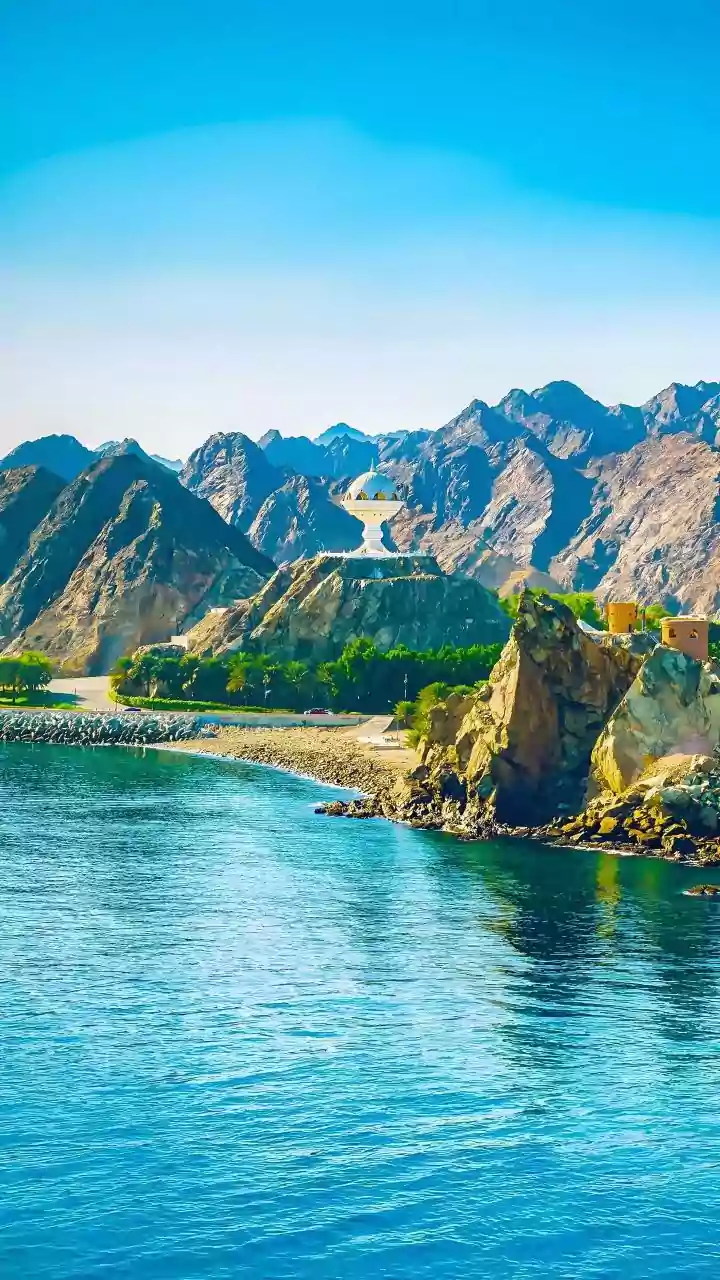
Your journey begins in the capital, Muscat, but the real adventure starts as you head south on Highway 17. The first stop, about an hour's drive away, is the sleepy fishing town of Qurayyat. [7, 15] While it has a restored fort and a pleasant harbour,
its main appeal is the authentic, unhurried atmosphere. [7, 15] It serves as a gentle introduction to the slower pace of life you'll find along the coast. It’s the perfect place to grab a coffee, watch the fishermen, and ease into your road trip before the more dramatic scenery unfolds. This stretch is where you leave the city behind and begin to feel the vast, open beauty of Oman. [18]
Natural Wonders at Bimmah and Fins
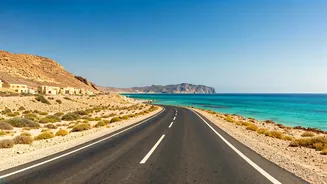
Continuing south, your next major stop is the incredible Bimmah Sinkhole, a collapsed limestone crater filled with sparkling turquoise water that travel influencers rave about. [12, 22] Though popular, arriving early in the day can help you avoid the biggest crowds. [15, 20] Just a short drive further is the village of Fins, which offers some of the most beautiful coastal scenery in the country. [6, 8] The area is known for its stunning white-sand beaches set against dramatic limestone cliffs. [6] Vloggers highlight this stretch for its raw, unspoiled beauty and opportunities for fantastic photo stops without a soul in sight. The water is incredibly blue, and it's common to spot turtles and rays just offshore. [8]
Into the Wadis: Tiwi and Wadi Shab
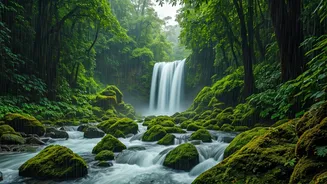
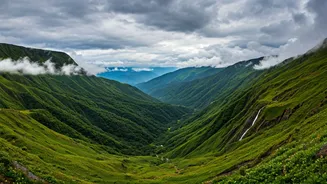
The coastline between Muscat and Sur is famous for its wadis—river valleys that create lush green oases in the otherwise arid landscape. [13] Wadi Shab is one of the most famous, requiring a short boat ride and a 45-minute hike to reach a series of stunning natural pools and a hidden waterfall. [11, 22] For a genuinely crowd-free experience, consider its neighbour, Wadi Tiwi. Nicknamed the "Wadi of Nine Villages," this area is far less frequented by tourists. [7] Exploring Wadi Tiwi often requires a 4x4, but the reward is a peaceful journey through traditional villages, date plantations, and secluded pools where you can swim in relative solitude. [13]
The Ancient Port of Qalhat
For a dose of history away from the main tourist trail, make a stop at the ancient city of Qalhat, a UNESCO World Heritage site. [7, 10] Once Oman's first capital, this port city now lies mostly in ruins after an earthquake in the 14th century. [7] The most prominent remaining structure is the tomb of Bibi Maryam. [7] While conservation work is ongoing, visiting the site offers a profound sense of history and solitude. It’s a quiet, contemplative stop that provides a stark contrast to the natural beauty of the wadis and beaches, showcasing the deep historical roots of the region without the crowds of more famous forts.
Journey's End in Sur
The coastal road trip culminates in Sur, an ancient maritime city with a rich history of shipbuilding. [7] Even today, you can visit the dhow shipyard and see traditional wooden boats being built by hand. [15] The Al Ayjah neighbourhood, with its lighthouse and watchtower, offers picturesque views over the bay and is a fantastic place for a sunset stroll. [3, 13] While Sur is a functional city, it retains the charm of a large fishing village and serves as an excellent base for further exploration, such as a trip to the Ras al Jinz Turtle Reserve, a crucial nesting site for endangered green turtles. [4, 7]