



The Soul of Monsoon Comfort
Kheer, in its many forms, is more than just a dessert in India; it's a symbol of celebration, purity, and togetherness. Its history is ancient, with roots tracing back over 2,000 years and mentions in texts like the Ayurveda. While it’s a staple at major
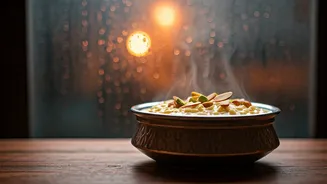
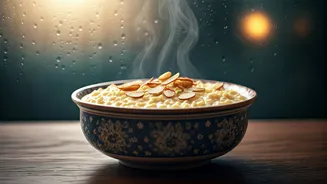
festivals like Diwali and Eid, its connection to the monsoon is deeply sensory. There's an innate comfort in a bowl of warm, creamy pudding when the weather turns cool and damp. The gentle aroma of simmering milk, cardamom, and saffron creates a cosy atmosphere that perfectly complements the rhythm of the falling rain. It’s considered a *sattvic* food, believed to be pure, balancing, and spiritually elevating, making it an ideal dish to foster a sense of well-being during the introspective mood of the season.
Choosing Your Kheer Canvas
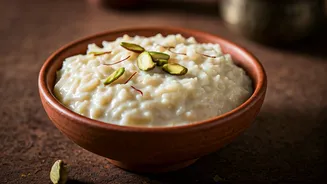
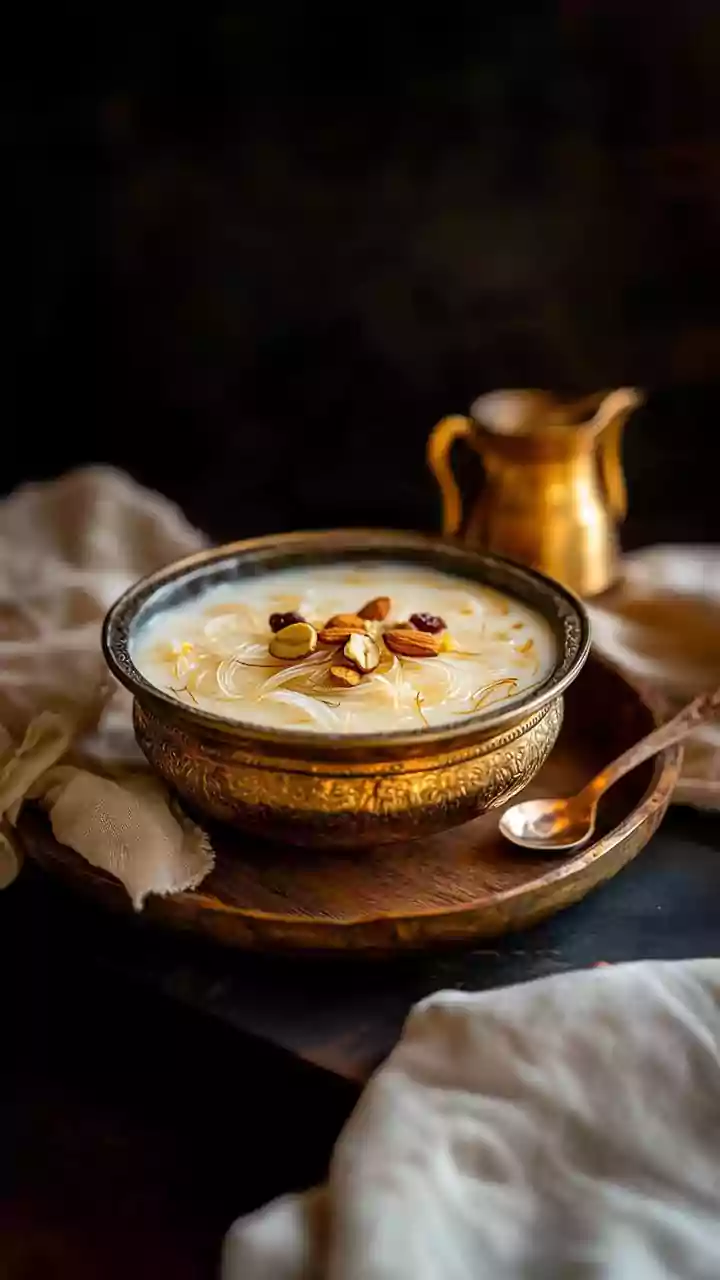
While rice kheer is the most classic version, the beauty of this dessert lies in its versatility. Different regions and households have their own beloved variations, each offering a unique texture and flavour. The three most common bases are: * **Rice (Chawal):** The quintessential kheer. For the creamiest texture, short or medium-grain rice like Basmati is often recommended due to its higher starch content. Soaking the rice for at least 20-30 minutes before cooking helps the grains soften and cook evenly. * **Vermicelli (Seviyan):** This version is quicker to prepare than rice kheer but yields a similarly creamy result. Roasting the thin vermicelli strands in a little ghee before adding them to the milk imparts a nutty aroma and prevents them from clumping. * **Sago (Sabudana):** Known for its unique, slightly chewy texture, sabudana kheer is a satisfying and popular choice, especially during fasts. The translucent pearls suspended in thickened milk create a visually appealing and texturally interesting dessert.
The Secret to Creamy Perfection
The defining characteristic of a great kheer is its creamy, luscious texture. This doesn't happen by accident; it's the result of patience and a few key techniques. First, always use full-fat milk. The higher fat content is crucial for achieving that rich, velvety mouthfeel as the milk reduces. The second rule is to cook low and slow. Simmering the kheer on a low flame allows the milk to thicken gradually and the flavours to meld without scorching the bottom of the pan. Frequent stirring is essential, not just to prevent sticking, but also to incorporate the skin (malai) that forms on top back into the kheer, adding to its richness. Some cooks even add a paste of soaked cashews or almonds during the cooking process to act as a natural thickener.
Sweetness, Spice, and Everything Nice
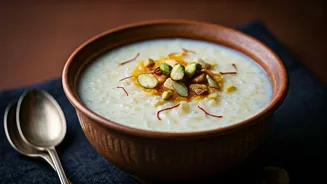
How you sweeten and flavour your kheer makes all the difference. While granulated sugar is common, using jaggery can add a deeper, caramel-like flavour, especially in regional variations like Bengal's *payesh*. For an even richer taste, a splash of condensed milk can enhance both sweetness and creaminess. The classic aromatic trio for kheer is green cardamom, saffron, and a hint of nutmeg. Crushing whole cardamom pods just before use releases the most flavour. A few strands of saffron, bloomed in a tablespoon of warm milk, will lend a beautiful golden hue and a luxurious aroma. For a final flourish, a few drops of rose water can be added off the heat to provide a delicate, floral note.
The Final Flourish: Garnishes
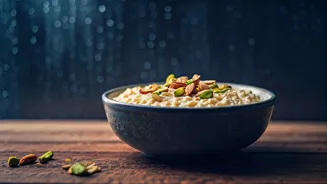
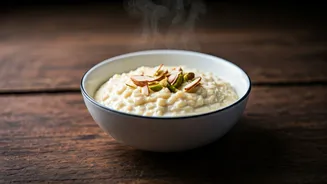
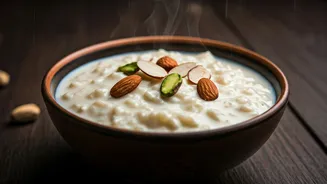
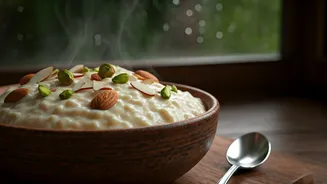
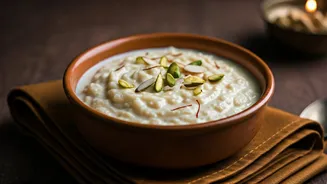
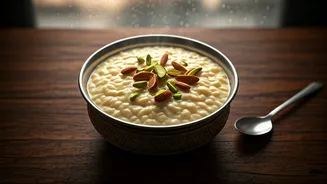
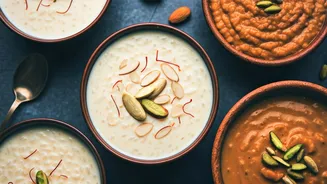
The final step is the garnish, which adds texture, flavour, and visual appeal. Toasted nuts are a classic choice. Lightly frying slivered almonds, pistachios, and cashews in a teaspoon of ghee until golden brown brings out their nuttiness and provides a delightful crunch against the soft pudding. Raisins can also be added, but it's best to add them towards the end of the cooking process so they plump up without becoming overly mushy. Whether you choose to serve it warm on a rainy evening or chilled the next day, a well-made kheer is a celebration in itself.