
The Post-Monsoon Sweet Spot
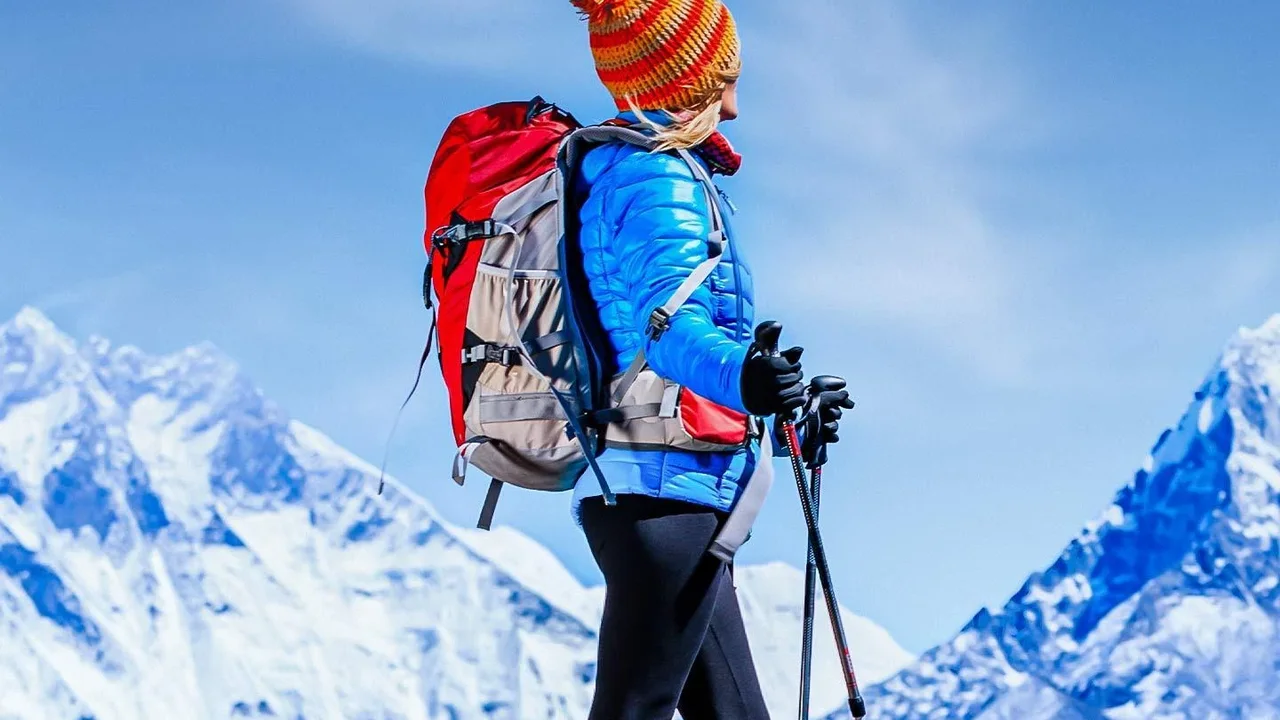
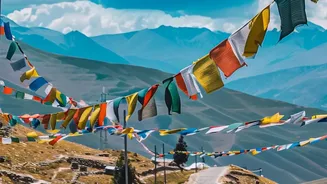
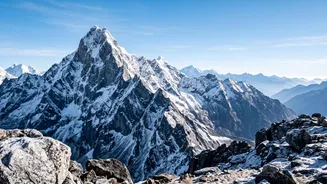
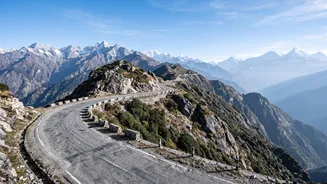
November is often called a 'sweet spot' for Himalayan trekking. The monsoon rains have washed the dust from the air, offering unparalleled, sharp views of the snow-capped peaks. The trails are generally dry and stable, making for pleasant walking conditions.
Daytime temperatures at lower to mid-altitudes can be comfortably mild, perfect for long days on the trail. This combination of clear views and good trail conditions draws many adventurers to regions like Uttarakhand, Himachal Pradesh, and Nepal before the heavy winter snows arrive to close high passes, which can happen as early as the end of the month.
Unpredictable Dangers of Early Winter
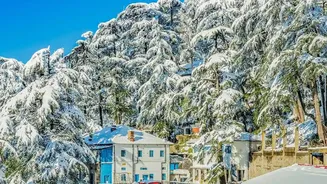
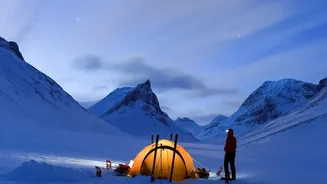
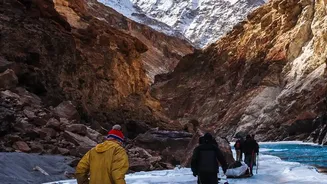
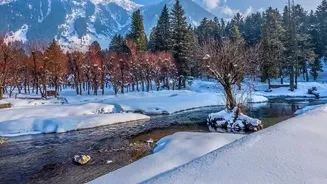
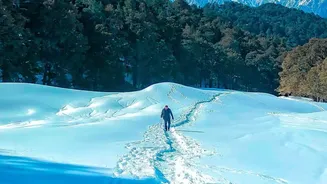
The stability of November weather is deceptive. The Himalayas create their own weather systems, and conditions can change with alarming speed. A sunny morning can turn into a blizzard by afternoon. This is because November marks the transition into winter. Trekkers must be prepared for more than just cold. The primary risks include sudden and heavy snowfall, even at lower elevations, which can block trails. Temperatures can plummet dramatically, especially as the sun sets, bringing a significant risk of hypothermia. Furthermore, high-velocity winds can whip across ridges and passes, creating a dangerous wind-chill factor that makes it feel far colder than the thermometer suggests.
The Challenge of Microclimates and Altitude
One of the biggest mistakes a trekker can make is assuming the weather at the start of the trail will be the same at 4,000 metres. The Himalayas are a complex tapestry of microclimates, where one valley can be sunny and calm while the next is experiencing a snowstorm. Altitude dramatically affects weather; for every 1,000 feet you ascend, the temperature can drop significantly. This is why a forecast for a nearby town is insufficient. You need specific mountain forecasts that account for elevation. Climate change has also made historical weather patterns less reliable, with monsoon seasons sometimes extending and flash floods becoming a risk even in what were once considered safe periods.
Your Daily Weather Safety Ritual
Treating the weather forecast as a daily, non-negotiable ritual is the cornerstone of safe trekking. Before you even leave, familiarize yourself with the expected conditions for your route. Once on the trail, make checking the forecast the first thing you do each morning. Reputable sources like the India Meteorological Department (IMD) provide specialized mountain weather bulletins. Many experienced local guides also have access to reliable, area-specific forecasts and, more importantly, have the experience to interpret them. Even if you have a guide, take personal responsibility. Discuss the day's forecast, understand the potential hazards, and be part of the decision-making process. Don't rely on a single app; try to corroborate information if possible.
Turning Forecasts into an Action Plan
A forecast is useless if you don't act on it. Your daily check should directly influence your plans. If heavy snow or high winds are predicted for a high pass, the safest decision is to wait it out at a lower altitude or even turn back. This is why building buffer days into your itinerary is critical; they give you the flexibility to make safe choices without the pressure of a tight schedule. The forecast also dictates your gear. If a cold snap is coming, you'll know to pack extra layers, a thermal base layer, and a windproof shell in your daypack, even if the morning feels warm. Always be prepared to change your route or your entire objective. The mountains will always be there, and a smart trekker knows that summiting is always optional, but returning safely is mandatory.