



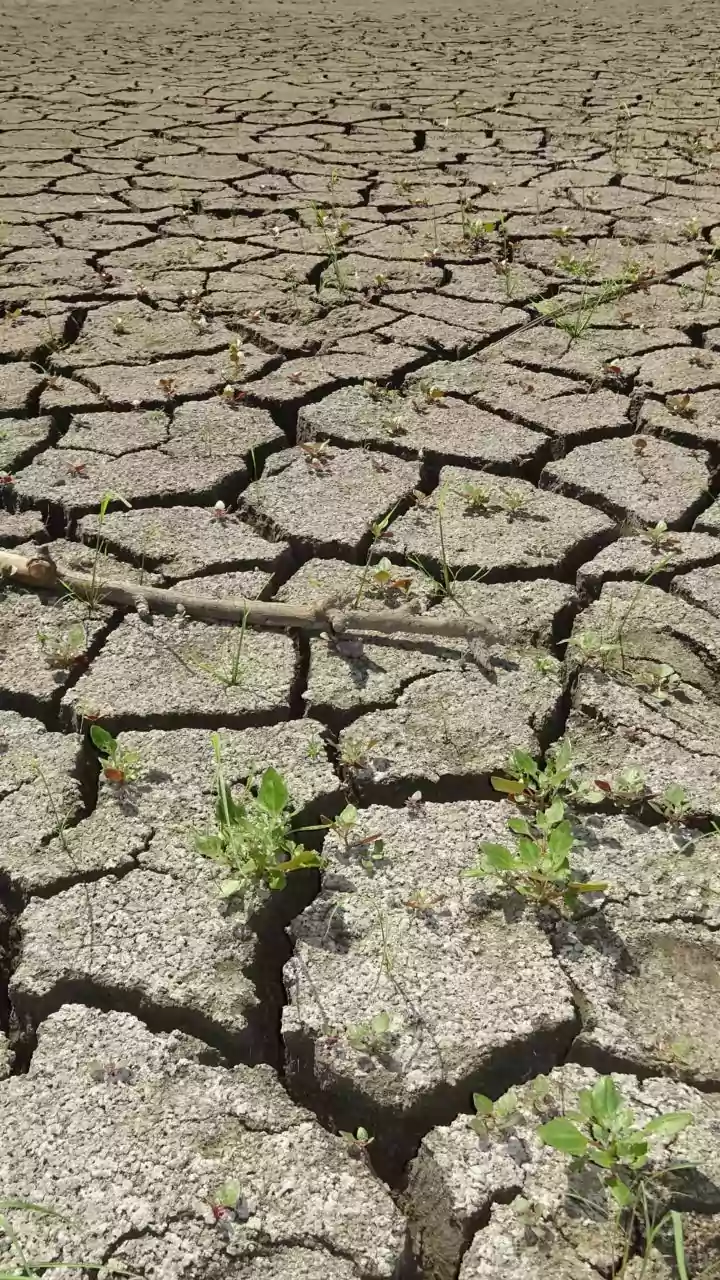



A Historic Dry Spell
The numbers from the India Meteorological Department (IMD) paint a stark picture. Throughout July, the city's main observatory recorded just 23 mm of rainfall. This is a dramatic drop from the typical average of 80 mm to 100 mm for the month. The only
July drier than this one was in 1918, when a mere 18.5 mm was recorded, making July 2026 the second-driest in 108 years. The month began with a healthy surplus thanks to strong pre-monsoon showers, but the prolonged dry spell has significantly weakened the city's overall southwest monsoon performance. While good pre-monsoon rains have kept the city's annual rainfall within a normal range so far, the failure of July, a crucial monsoon month, has set alarm bells ringing.
The Meteorological Puzzle
So, what turned off the tap? According to meteorologists, the primary culprit was the lack of rain-bearing systems. An offshore trough that typically brings widespread rain to the region was largely inactive and weak. Strong winds blew across the state, but they lacked the necessary moisture to produce significant rainfall. An IMD official noted that for rain to occur, moisture content in the wind needs to be around 55-60mm, but it was measured at less than 40mm. This situation was exacerbated by the strengthening El Niño conditions in the Pacific Ocean, which are known to suppress monsoon rainfall over India.
Reservoirs Under Strain
The rainfall deficit has a direct and worrying impact on the city's water supply, which is heavily dependent on the Cauvery basin reservoirs. As of late July, key reservoirs like Krishnaraja Sagar (KRS) held significantly less water compared to the previous year. The combined storage in Karnataka's 14 major reservoirs was only at 52% of capacity, with the Cauvery basin at 57%. While officials from the Bangalore Water Supply and Sewerage Board (BWSSB) have stated there is no immediate shortage and enough water for the next few months, they have also cautioned that a crisis could emerge in five to six months if the rest of the monsoon season fails to deliver. This has led to precautionary measures, including bans on using drinking water for non-essential activities like washing cars.
A Statewide Concern
Bengaluru's water woes are a reflection of a broader issue across Karnataka. The state as a whole ended July with a significant rainfall deficit. The South Interior Karnataka region, which includes Bengaluru and the vital Cauvery catchment districts, was particularly hard-hit with a 35% deficit. This has not only impacted drinking water supplies but also threatened agriculture, with farmers facing the prospect of crop failure. The situation has become so concerning that the state government has been asked to prepare a report on the emerging drought, a recurring problem for Karnataka which has officially declared drought in 16 of the past 25 years.
An Anxious Look Ahead
All eyes are now on August and September, which are typically Bengaluru's wettest months and crucial for making up the deficit. However, the initial forecast offers little comfort. The IMD has predicted below-normal rainfall for August across most of the country, including Karnataka, due to the strengthening El Niño. There is a brief window of hope, with a potential revival of rain expected between August 6 and 12, but it is likely to be a short-lived spell before conditions weaken again. For the residents and authorities of Bengaluru, the coming weeks will be a period of anxious sky-watching, hoping for a dramatic turnaround to secure the city's water future.