







The Enduring Appeal of Clay
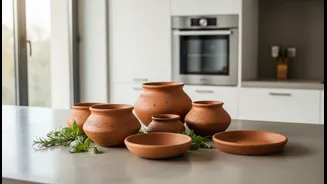
For generations, the potters of Rajasthan, particularly from communities like Molela and Pokaran, have been the custodians of a timeless craft. Their terracotta and clay cookware is not just a collection of vessels; it's a wellness tradition. Food cooked
in earthen pots is believed to retain more nutrients, and the porous nature of clay ensures slow, even cooking that enhances flavour. This age-old wisdom, passed down through families, has sustained a craft that is deeply intertwined with the region's cultural identity. From sturdy water pots that offer naturally cool water to specialised utensils for cooking regional delicacies, clay has been a cornerstone of daily life.
The Traditional Market Challenge
Despite the intrinsic value of their products, many artisans have faced significant economic headwinds. Traditionally reliant on local bazaars and seasonal tourist flows, they were often at the mercy of middlemen who would dictate low prices. The rise of mass-produced steel and non-stick cookware also presented a major threat, pushing handmade goods to the margins of the mainstream market. For many young artisans, the craft was becoming unsustainable, forcing them to look for alternative livelihoods and threatening the continuation of a 5,000-year-old tradition.
Enter the Urban Designer
This is where the collaboration begins. When we hear 'urban design', we might think of city planning, but in this context, it refers to designers from urban centres who bring a modern perspective to the craft. These collaborations, often facilitated by social enterprises and design studios, act as a bridge between the artisan's traditional skills and the contemporary consumer's needs. Designers work alongside potters not to replace their skills, but to enhance and adapt them. This partnership involves rethinking product forms, developing new aesthetics, and creating a compelling story that resonates with a new audience.
From Village Kiln to City Shelf
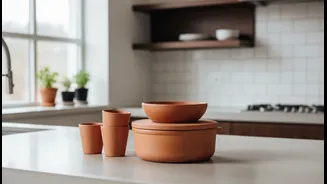
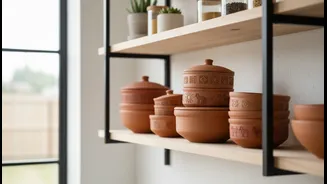
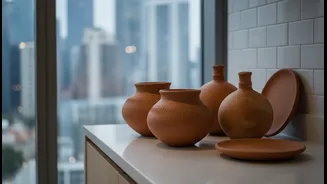
The transformation is tangible. A traditional matka might be redesigned with a more minimalist silhouette or a sleek, contemporary lid to appeal to a modern kitchen aesthetic. The collaboration might lead to entirely new products, like clay coffee mugs with ergonomic handles, stylish baking dishes, or planters designed for compact apartment balconies. Beyond the product itself, designers help with branding, packaging, and storytelling. They create a narrative that highlights the artisan's skill, the natural materials, and the health benefits, turning a simple pot into a coveted lifestyle product. This process adds immense value, allowing the final product to command a better price in the market.
Connecting with the Metro Consumer
The timing for this revival is perfect. Urban consumers in cities like Mumbai, Bengaluru, and Delhi are increasingly seeking products that are sustainable, authentic, and rooted in wellness. There's a growing fatigue with mass-produced, industrial goods and a renewed appreciation for items that are handmade and tell a story. These design-led clay products fit perfectly into this trend. They appeal to a consumer who values both aesthetics and ethics, who wants their home to look good and their purchases to do good. E-commerce platforms and curated lifestyle stores provide the final link, connecting these reimagined crafts directly with this eager market.