

A New Definition of 'Precious'
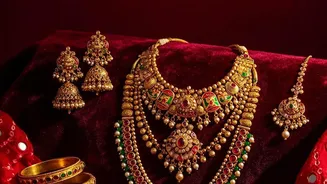
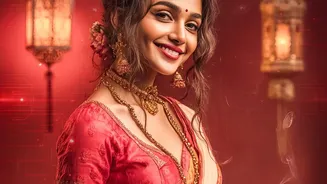
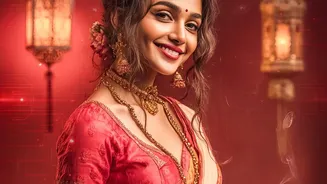
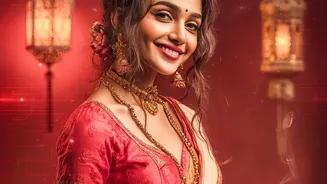
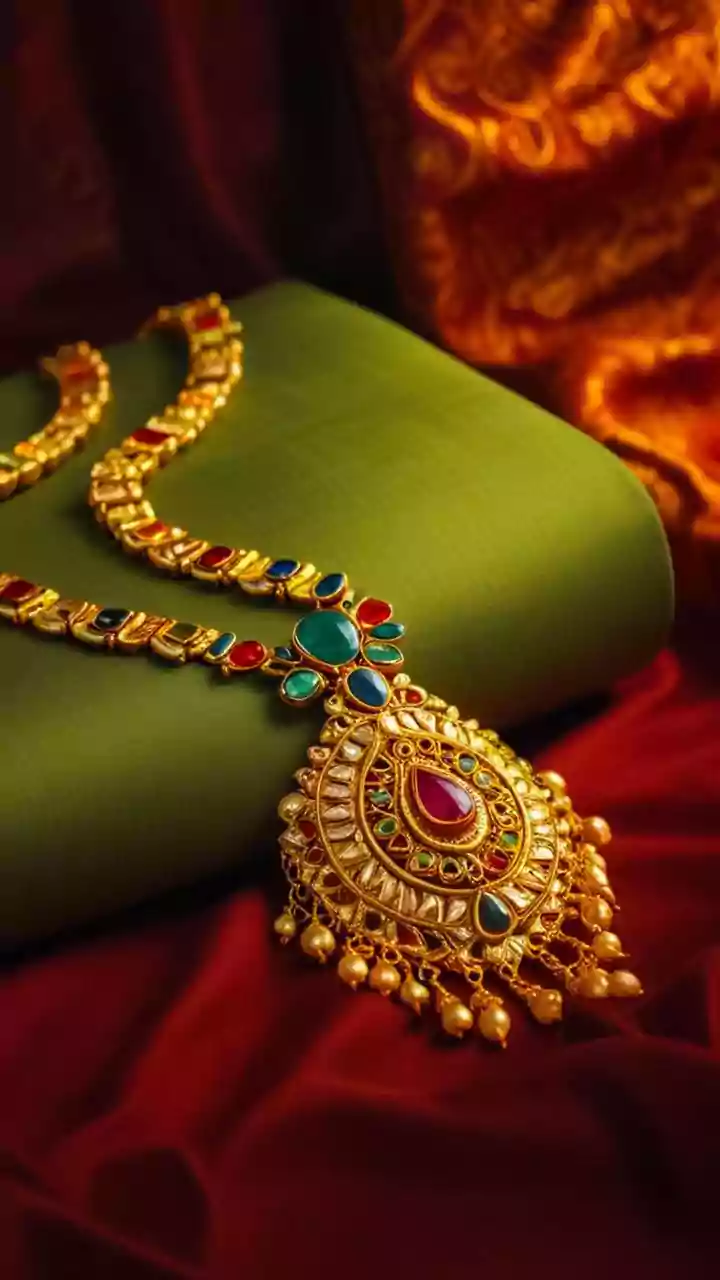
For generations, festive jewellery in India meant one thing: heavy, 22-carat gold pieces, bought as an investment and worn on the most special of occasions. It was an asset, a symbol of wealth stored away for safekeeping. Today, that perception is changing,
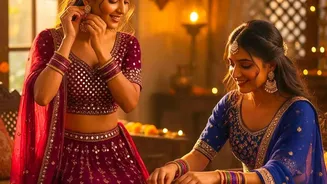
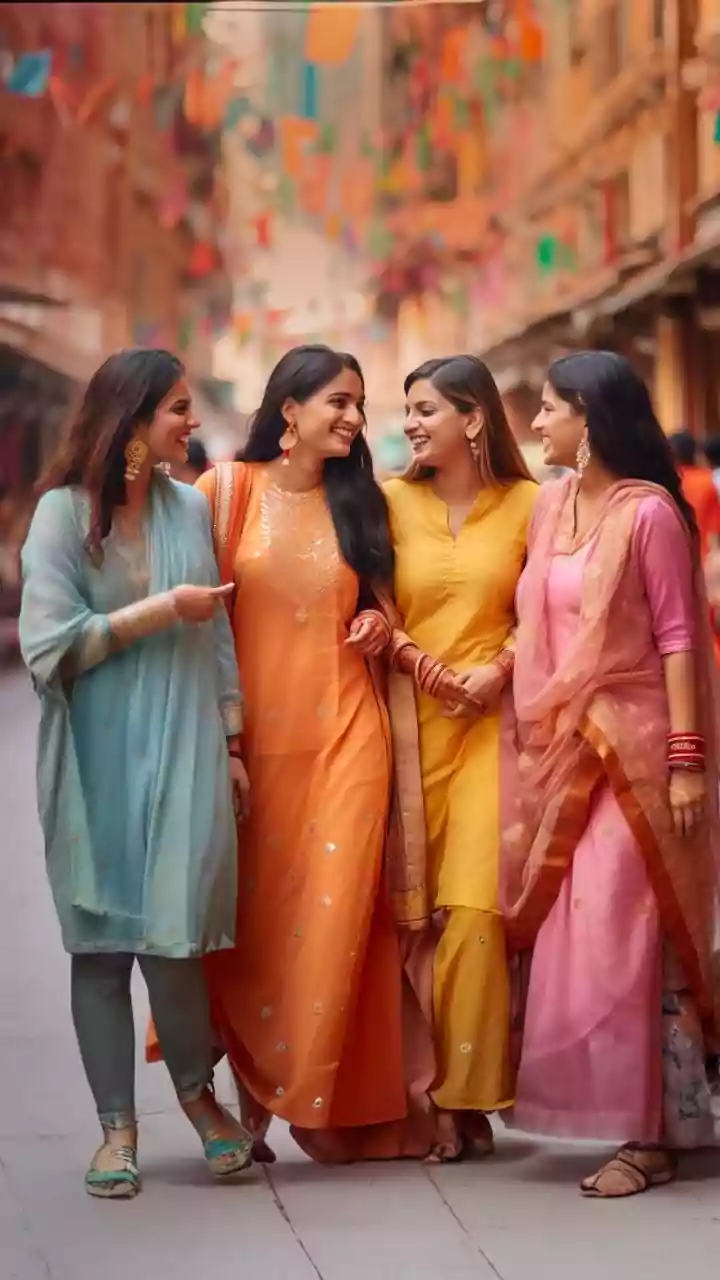
especially among younger consumers. They see jewellery not just as an investment, but as a form of self-expression and a fashion accessory. The new 'precious' is defined by wearability and personal style. This mindset prioritises pieces that can be worn to a Diwali party, a friend’s wedding, and even to the office the following week, rather than items reserved for a single event.
The Appeal of Modern Minimalism
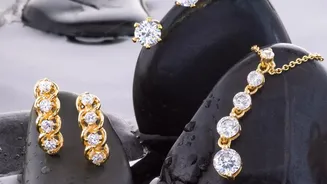
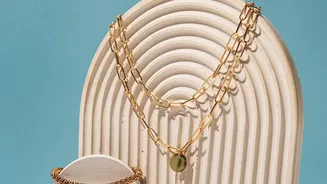
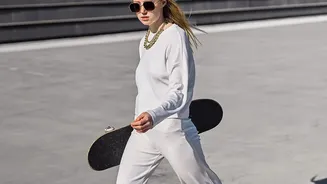
Driving this trend is a major shift in design aesthetics. Traditional, intricate, and often bulky patterns are making way for modern, minimalist styles. Think delicate chains with small pendants, stackable rings, geometric studs, and sleek bracelets. These designs are celebrated for their clean lines and subtle elegance, offering a refreshing contrast to the ornate jewellery many Gen Z and millennial shoppers grew up seeing. This 'less is more' approach allows for layering and personalization, enabling individuals to create a unique look that complements everything from a festive lehenga to a simple kurta or even western wear.
Affordability Unlocks Expression
Perhaps the most significant factor is affordability. With gold prices reaching record highs, traditional heavy pieces are becoming less accessible for young, first-time buyers. Brands have responded by offering stylish alternatives. Lightweight collections often use 14-carat or 18-carat gold, which are more durable for daily wear and significantly reduce the price point. The rise of 'demi-fine' jewellery—which uses a base of sterling silver or stainless steel with a thick layer of gold plating—offers the look of luxury without the hefty cost. This accessibility empowers young people to build a varied collection and experiment with trends without committing to a single, high-value purchase.
From Family Albums to Instagram Feeds
The way jewellery is discovered and styled has also been transformed by social media. While older generations looked to family traditions, today's youth find inspiration on Instagram and Pinterest. Influencers and fashion-forward users showcase how to style multiple lightweight pieces for an effortlessly chic look. This digital-first approach has amplified the demand for versatile and photogenic jewellery. Brands are leaning into this, creating gender-neutral collections and customisable options like initial pendants or zodiac charms that resonate with a generation keen on individuality.
How Brands are Adapting
This consumer shift has prompted a response from across the industry. Legacy jewellers like Tanishq (with its Mia collection) and Kalyan Jewellers have launched dedicated lightweight lines that merge traditional trust with modern design sensibilities. Simultaneously, a wave of direct-to-consumer (D2C) brands has emerged online, built entirely around the principles of minimalist design, affordability, and trend-driven collections. These brands speak the language of the modern consumer, focusing on transparency, digital experience, and creating pieces that fit seamlessly into their everyday lives.