







The Green Dilemma in Urban Living
Corporate apartment life in cities like Mumbai, Bengaluru, and Delhi offers convenience and modern amenities, but it often comes with a demanding schedule. For many young professionals, adding a touch of green with indoor plants is a way to create a sanctuary
amidst the urban chaos. The problem? A busy career, frequent travel, and the general fear of over or under-watering can turn that dream into a collection of sad, wilted plants. Traditional pots require a consistent, intuitive watering schedule that many people simply don't have the time or experience to maintain. This often leads to frustration and the belief that they just don't have a 'green thumb'.
What Exactly Are Sub-Irrigated Pots?
Enter the sub-irrigated capillary pot, often called a self-watering planter. Think of it as a smart upgrade to the classic pot. These containers consist of two main parts: an upper chamber that holds the plant and soil, and a lower reservoir that stores water. A wicking system, which can be a simple fabric rope or a design that allows soil to extend down into the water, connects the two. This setup allows the plant to be watered from the bottom up, completely changing the dynamic of plant care. The design is self-contained, tidy, and perfect for modern interiors where spills and messy saucers are not welcome.
The Simple Science of Hands-Free Hydration
The magic behind these pots is a natural process called capillary action. It's the same phenomenon that allows a sponge to soak up a spill. The porous potting mix and the wicking system act like a straw, drawing water up from the reservoir into the soil as it begins to dry out. This means the plant takes exactly the amount of water it needs, precisely when it needs it. The system effectively automates the most challenging part of plant care by providing a consistent level of moisture, preventing the dual dangers of waterlogged soil, which causes root rot, and bone-dry soil that leads to wilting.
A Perfect Match for the Busy Renter
For corporate apartment dwellers, the benefits are immense. The most obvious is convenience; you might only need to fill the reservoir every one to three weeks, depending on the plant and pot size. This is a game-changer for frequent travellers or anyone with a hectic schedule. These pots also promote healthier plants. By encouraging roots to grow deeper towards the water source, they build stronger root systems. Furthermore, because the water is enclosed, there's less evaporation, making them a more water-efficient choice. The risk of root rot, a common killer of houseplants, is significantly reduced because the soil isn't constantly saturated.
Choosing the Right Pot for Your Space
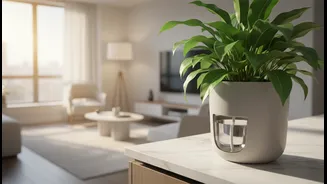
When selecting a self-watering pot, consider both function and style. Look for a water level indicator, a small window or gauge that clearly shows when it's time to refill the reservoir. This removes all the guesswork. Pots come in a variety of materials, from lightweight, modern plastics to elegant ceramics, so you can easily find one that matches your decor. Pay attention to size—the pot should be large enough to accommodate your plant's root system with some room to grow. Also, check that it has an overflow mechanism to prevent waterlogging if you accidentally overfill the reservoir.
Plants That Thrive with Less Effort
While many plants benefit from consistent moisture, some are particularly well-suited to self-watering pots. These are often the hardy, low-maintenance varieties popular in Indian homes. The Peace Lily, for example, is known for being thirsty and will stay perky with a constant water source. Money Plants (Pothos) and Spider Plants also adapt beautifully, as they enjoy evenly moist soil. For those with lower light conditions, the ZZ Plant and Snake Plant are excellent choices; they are drought-tolerant by nature but will do just fine in a self-watering system as they only draw the small amount of water they need.