

What Exactly Are Meteor Showers?
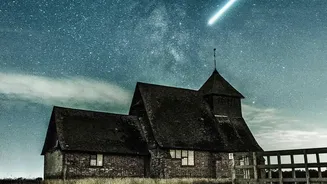
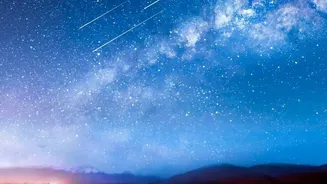
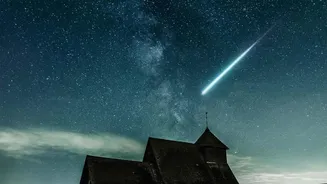
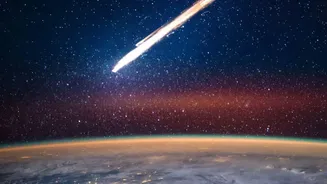
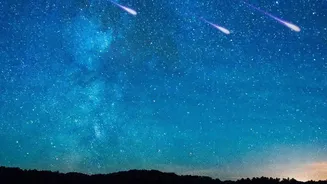
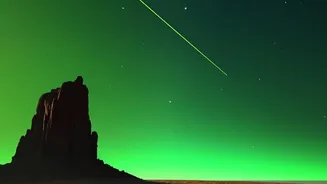
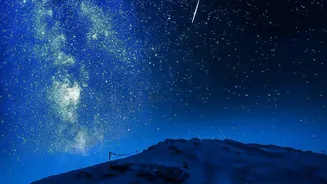
Often called 'shooting stars', meteors are not actually stars at all. They are streaks of light created when tiny particles of cosmic dust and rock, called meteoroids, enter Earth's atmosphere at incredibly high speeds and burn up. While you can spot
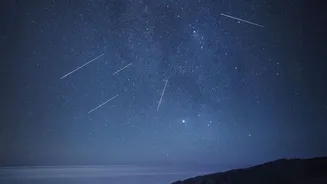
a few random meteors on any given night, a meteor shower happens when Earth passes through a dense trail of debris left behind by a comet or, in some cases, an asteroid. As our planet journeys through this stream, we experience a spike in meteor activity, with dozens or even hundreds of meteors appearing to radiate from a single point in the sky known as the radiant. Showers are named after the constellation where their radiant point is located.
Up Next: The Orionids from Halley's Comet
Your next major opportunity for stargazing is the Orionid meteor shower, which peaks in October. The Orionids are special because they are created from the debris of the famous Halley's Comet. In 2026, the peak nights will be October 21 and 22. You can expect to see around 15 to 25 meteors per hour under dark, clear skies. The Orionids are known for their speed and brightness, sometimes leaving glowing trails that linger for a few seconds after the meteor has vanished. For the best view, find a dark location after midnight, let your eyes adjust, and look towards the constellation Orion. The moon phase for the 2026 peak is favourable, promising darker skies for better viewing.
The Reliable Summer Spectacle: The Perseids
The Perseid meteor shower is one of the most popular and reliable showers of the year, peaking every year in mid-August. These meteors are fragments from the comet Swift-Tuttle. The shower is active from mid-July to late August, but the absolute best time to watch is during its peak. In 2026, the peak occurred on the night of August 12-13 under ideal conditions, as it coincided with a New Moon, making the sky exceptionally dark. Viewers in ideal locations could see between 50 and 100 meteors per hour. While the 2026 peak has passed, the Perseids are an annual event, so you can mark your calendar for another spectacular show next August.
How to Get the Best View
You don’t need a telescope or binoculars to enjoy a meteor shower; in fact, they limit your field of view. The best tool is your own eyes. First and foremost, get away from city lights. Light pollution is the biggest obstacle to seeing meteors, so head to a rural or remote location. Give your eyes at least 20-30 minutes to fully adapt to the darkness; this will help you spot the fainter streaks. Patience is key. Find a comfortable spot, perhaps with a reclining chair or blanket, and lie back to take in as much of the sky as possible. It is often best to look about 45 degrees away from the shower's radiant point, as this is where meteors will appear to have longer trails. The best viewing hours are typically after midnight and before dawn, when the sky is darkest and the radiant point is higher in the sky.
Finding Dark Skies in India
To truly appreciate a meteor shower, escaping the urban glow is essential. India has several regions known for their pristine night skies. The high-altitude cold deserts of Ladakh and Spiti Valley in Himachal Pradesh are premier destinations, with Hanle in Ladakh being home to India's first official Dark Sky Reserve. These areas offer some of the clearest and darkest skies in Asia. For those in other parts of the country, options include the Rann of Kutch in Gujarat, with its vast, unobstructed horizons, and parts of the Western Ghats, like Coorg. Hill stations in Uttarakhand and desert locations near Jaisalmer in Rajasthan also provide excellent opportunities to get away from city lights. Even a short drive out of the city to a less populated area can dramatically improve your viewing experience.