




Turning Darkness into an Asset
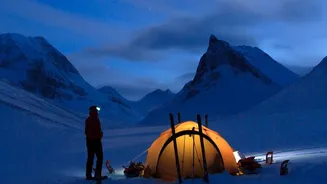
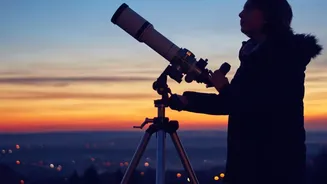
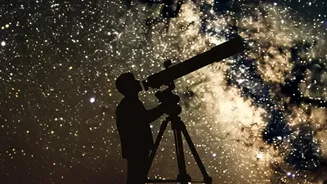
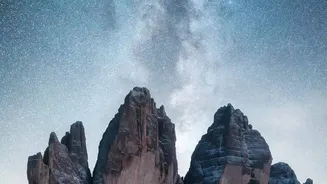
Astrotourism is travel motivated by the desire to see the night sky in its purest form. It’s more than just casual stargazing; it involves journeying to places far from the light pollution of cities to witness celestial events like meteor showers, the Milky
Way, or distant galaxies through telescopes. For remote mountain regions, this represents a unique opportunity. The very factors that can make them challenging places to live — isolation and long, dark winters — are precisely what astrotourists seek. The cold, dry air of high-altitude areas often provides the clearest, most stable conditions for viewing the cosmos, making winter the prime season for this niche but growing tourism sector.
Solving the Off-Peak Problem
Many mountain economies are built around a single peak season, like summer hiking or a vibrant, but short, ski season. When the crowds leave, businesses often struggle. This off-peak period can lead to seasonal unemployment and economic instability, forcing many to migrate to cities for work. Astrotourism directly addresses this by creating a new 'high season' during what was once the quietest time of year. Tourists who come for the stars need places to stay, eat, and buy supplies, providing a steady stream of income when it is most needed. This helps businesses stay open year-round, creating more stable employment and a more resilient local economy.
India's High-Altitude Starry Sanctuaries
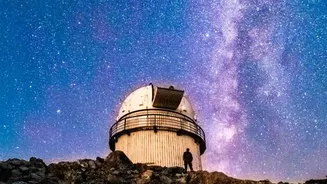
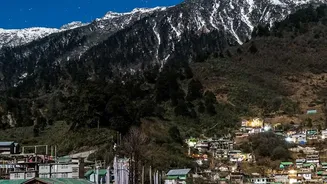
The Indian Himalayas are emerging as a prime destination for astrotourism. Places like Ladakh and the Spiti Valley in Himachal Pradesh offer some of the best stargazing conditions in Asia due to their high altitude, clear skies, and minimal light pollution. Hanle in Ladakh, home to the Indian Astronomical Observatory, has been designated as a Dark Sky Reserve, attracting astronomers and tourists alike. In response, local communities, with support from organisations like the Global Himalayan Expedition, have developed 'Astrostays'. This initiative trains local women in hospitality and as astronomy guides, allowing them to host visitors, share indigenous sky folklore, and generate direct income. This model not only creates jobs but empowers communities and helps preserve local culture.
The Economic Ripple Effect
The economic benefits of astrotourism extend far beyond the tour guides. Visitors require lodging, leading to increased bookings for hotels, guesthouses, and homestays. Restaurants and cafes see more business, particularly in the evenings. Local artisans can sell star-themed crafts, and photographers can offer workshops. This creates a ripple effect, supporting a wide range of local enterprises. For example, a 2017 study in Northumberland, England, found that its Dark Sky Park generated £25 million in economic benefits and supported around 450 jobs. This demonstrates how protecting a natural resource — the dark sky — can produce significant and sustainable financial returns for a community.
Challenges and a Sustainable Future
Despite its promise, developing a successful astrotourism industry has challenges. Key among them are managing light pollution, securing funding for infrastructure like small observatories, and ensuring the economic benefits are distributed equitably among the community. In some areas, existing businesses owned by non-locals have captured most of the profits, leaving disadvantaged community members behind. True success requires a community-based approach, with investment in training for locals and regulations to protect the very darkness the industry depends on. By fostering local ownership and promoting responsible lighting, communities can build a tourism model that is both economically and environmentally sustainable.