





CTC vs. Orthodox: The Great Divide
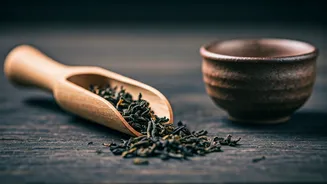
Most everyday chai is made with CTC (Crush, Tear, Curl) tea, which consists of small, hard pellets. This method is designed for mass production and creates a strong, bold liquor with a somewhat generic flavour that holds up well to milk and spices. For
a more nuanced experience, consider Orthodox teas. These are whole or broken leaves processed traditionally to preserve their unique character. While CTC is excellent for a powerful masala chai, orthodox leaves offer more complex, delicate flavours, allowing the tea's origin to shine.
Decoding the Alphabet Soup of Tea Grades
Tea labels are often covered in confusing acronyms like BOP, FOP, and TGFOP. This is the tea grading system, and it mostly refers to the size and quality of the leaf. For a strong cup of chai, Broken Orange Pekoe (BOP) is a fantastic choice. It consists of smaller broken leaves that infuse quickly to give a robust, full-bodied brew. Whole leaf grades like Orange Pekoe (OP) or Flowery Orange Pekoe (FOP) are more delicate and aromatic, better suited for drinking without milk. The key takeaway is that for chai, you need a grade strong enough to balance milk and sugar, making BOP a reliable starting point.
The Power of a Single Origin
Many popular tea brands are blends, combining leaves from different regions for a consistent taste. Single-origin teas, however, come from one specific place, offering a unique flavour profile. For a classic, malty, and robust chai, look no further than Assam. Its strong character is the traditional foundation for masala chai. If you prefer something lighter and more aromatic, a Nilgiri tea can be a great option, while a Darjeeling tea will provide a more floral and delicate base, though it's less common for a milk-based chai. Experimenting with single-origin teas is the best way to discover the specific regional flavours you enjoy most.
Look for Loose Leaves and Freshness
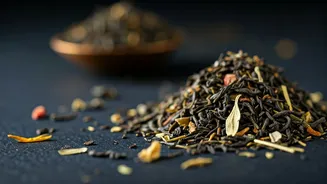
The single biggest upgrade you can make is switching from tea bags to loose-leaf tea. Tea bags often contain the smallest particles, known as "fannings" or "dust," which can result in a bitter or flat-tasting cup. Loose leaves, being larger pieces, offer a much more complex and satisfying flavour. Freshness is also critical. Look for a packaging or harvest date on the label. Tea doesn't spoil, but it does lose its flavour and aroma over time. A freshly purchased tea will always yield a more vibrant and aromatic cup.
Storing Your Tea Correctly
Once you've bought good quality tea, it's crucial to store it properly to maintain its freshness. The primary enemies of tea are light, air, moisture, and strong odours. Never store your tea in a clear glass jar on the countertop. The best option is an opaque, airtight container stored in a cool, dark place like a pantry or cupboard. Avoid keeping it near your spice rack or coffee, as tea leaves can easily absorb surrounding smells, which will alter the taste of your chai.