






Understanding Wholesale Prices
Before a product reaches your local kirana store or supermarket, it goes through several stages. A key stage is the wholesale market, where manufacturers sell goods in large quantities to distributors and retailers. The price at this stage is the wholesale price.
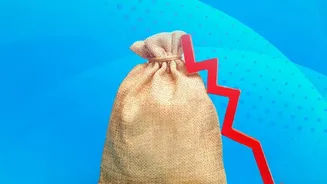
In India, this is tracked by the Wholesale Price Index (WPI), which measures the average change in prices for bulk sales. Recent government data shows that WPI inflation surged to 11.39% in September 2026, a significant jump from 9.92% in August. This signals that the costs for businesses are climbing steeply, well before those products are even priced for retail.
Why Are Costs Climbing?
Several factors are pushing these wholesale costs higher. A major driver is the price of raw materials. For personal care and grocery items, this includes essentials like palm oil, sugar, and crude oil derivatives used in packaging. For example, the cost of crude-linked materials such as High-Density Polyethylene (HDPE), used for shampoo bottles and containers, has seen sharp increases. On top of that, fuel and power costs have soared, with inflation in that category hitting 25.85% in September. This makes transporting goods from the factory to the warehouse and then to the store much more expensive, adding to the final cost.
From Factory to Your Shopping Bag
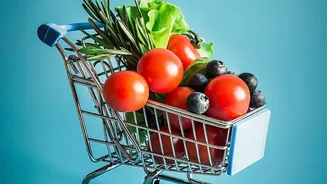
When manufacturers face higher costs for raw materials and transport, they have two choices: absorb the cost and accept lower profits, or pass the increase on to consumers. For a while, companies might try to absorb the costs to remain competitive. However, with wholesale inflation remaining in the double digits for 18 consecutive months, this becomes unsustainable. As a result, leading Fast-Moving Consumer Goods (FMCG) companies in India, such as HUL, Dabur, and Britannia, have been implementing 'calibrated price increases' to protect their margins. This is the direct link: sustained high wholesale costs eventually translate into a higher Maximum Retail Price (MRP) on the products you buy.
Shrinkflation: The Hidden Price Hike
Sometimes, the price on the label doesn't change, but you still end up paying more. This is a strategy called 'shrinkflation', where companies reduce the quantity of the product in a package while keeping the price the same. Think of your favourite biscuit packet having one less biscuit or your shampoo bottle being slightly smaller. FMCG companies often use this tactic, especially on smaller, popular price points like Rs 5 and Rs 10 packs, to offset rising input costs without alarming consumers with an obvious price jump. This is another way rising wholesale costs are passed on, making you pay more for less.
What to Expect Next
Analysts believe that the pressure on company margins will continue, suggesting that more price hikes could be on the way. Many companies have already raised prices by 3-7% in recent months and have indicated that further increases are likely to offset the sustained inflationary pressures. With input costs for essentials like fuel, food items, and manufactured goods continuing to climb, the journey of goods to your home is becoming more expensive at every step. As a consumer, this means being more mindful of both prices and product sizes to effectively manage your household budget in the coming months.