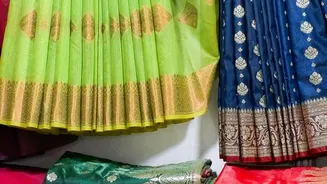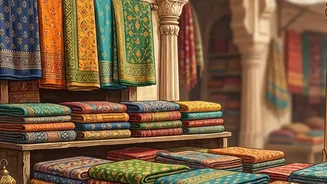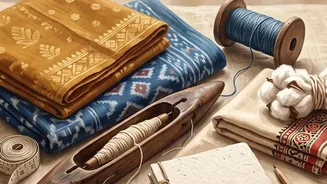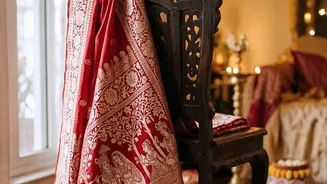

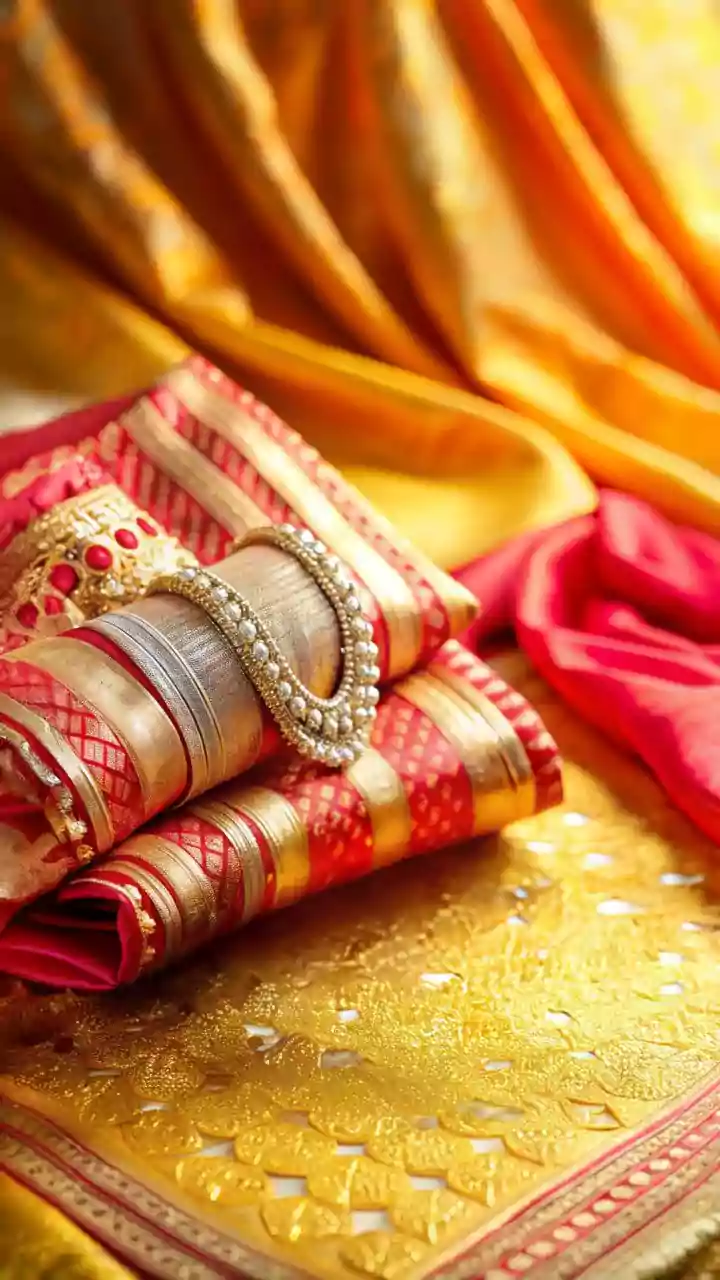

In closets across India lie stories woven in silk and cotton—saris kept for their beauty and memories. Now, a growing movement is giving these cherished garments a second life, transforming them into quilts and accessories.
A Stitch Through Generations
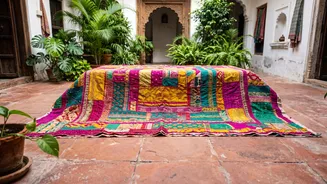
The practice of upcycling saris
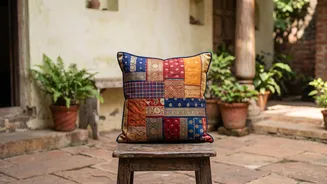
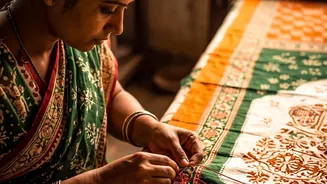
is not new; it's a tradition rooted in resourcefulness and sentiment. For centuries, women in states like Bengal, Maharashtra, and Karnataka have layered old, worn saris and dhotis to create soft, multi-hued quilts. Known as 'Kantha' in Bengal or 'Godhadi' in Maharashtra, these hand-stitched blankets were made for families, with each stitch carrying a story. What was once a domestic craft, born from a desire to waste nothing and swaddle loved ones in warmth, is now experiencing a significant revival. This resurgence is driven by a modern appreciation for sustainability, handmade quality, and the unique history embedded in each piece of fabric.
From Homespun to High Street
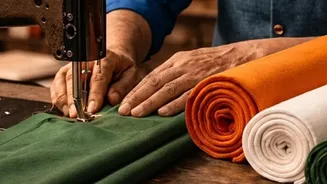
Today, this age-old craft has blossomed into a vibrant cottage industry, with numerous social enterprises and designer labels leading the charge. Organizations like 'I Was A Sari' in Mumbai and 'Quilt Culture' in Pune are transforming the domestic art into a source of economic empowerment. These initiatives provide rural and underprivileged women with the skills and platform to turn their traditional craft into a stable livelihood. Artisans are now creating a diverse range of products that appeal to a global audience. While traditional quilts remain a centrepiece, the fabric of old saris is being ingeniously refashioned into contemporary clothing like jackets and dresses, as well as stylish accessories such as tote bags, clutches, and even jewellery.
The Fabric of Sustainability
This movement is a powerful counter-narrative to the environmental impact of fast fashion. The textile industry is a major global polluter, with millions of tonnes of fabric ending up in landfills each year. By upcycling saris, artisans and entrepreneurs are diverting a significant amount of textile waste. This practice not only reduces the strain on landfills but also minimises the demand for new resources required to produce virgin fabrics, such as the thousands of litres of water needed for a single cotton garment. It champions a circular economy where materials are kept in use for as long as possible, extracting maximum value before they are discarded.
More Than an Accessory
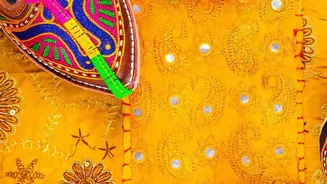
For both the creator and the consumer, these upcycled products represent more than just sustainable style. Each item carries the faint memories of its past life—the soft, worn texture of a cotton sari or the faded grandeur of a silk border tells a unique story. No two products are ever exactly alike. This individuality is a core part of their charm. For many, owning an item made from a vintage sari is a way to connect with Indian heritage in a tangible, modern way. It’s a celebration of craftsmanship, a vote for conscious consumerism, and a way of preserving the emotional and cultural value of a garment that has been a cornerstone of Indian identity for centuries.