







Why Monsoons Mean More Caution
The relief from scorching heat is welcome, but the monsoon also brings a spike in humidity and water-borne contaminants, creating a perfect breeding ground for bacteria and viruses. [18, 20, 23] This combination makes us more susceptible to gastrointestinal
issues like food poisoning, diarrhoea, and typhoid. [18, 22, 25] The body's digestive system also tends to become sluggish in the humid weather, making it harder to process heavy or oily foods. [3] This is why hospitals often see a significant rise in stomach-related illnesses within weeks of the first rains. [11] Taking extra precautions with your diet isn't about paranoia; it's a direct response to a measurable increase in health risks.
The Street Food Dilemma
The craving for street food like chaat, pani puri, and samosas intensifies during the monsoon, but this is also when it's riskiest. [4, 7] Open stalls are exposed to dust, flies, and contaminated water, which is often used to make the very chutneys and pani that we love. [3, 13] Freezing water into ice doesn't kill pathogens; it just preserves them until they enter your system. [11] If you must indulge, choose vendors who maintain high hygiene standards, cook food fresh in front of you, and serve it piping hot, as high temperatures kill most germs. [13, 19] A safer bet is to recreate your street food favourites at home, where you control the ingredients and hygiene.
Rethink Your Greens and Raw Foods
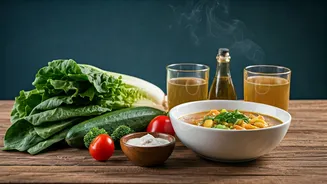
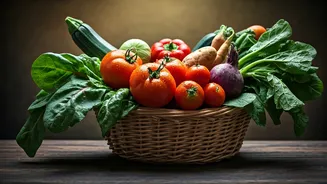
As healthy as they are, raw leafy greens like spinach and cabbage should be limited during this season. [2, 4] The damp soil and humid air encourage germ and fungal growth, and these vegetables can carry contaminants. [4] Thorough washing is essential, but it’s even safer to switch to cooked vegetables. [8] Opt for gourds like lauki (bottle gourd) and karela (bitter gourd), which are excellent this time of year. [17] Similarly, avoid pre-cut fruits and raw salads from outside vendors, as they can be easily contaminated. [3, 5] If you’re having a salad, prepare it at home with thoroughly washed produce, or better yet, choose steamed or grilled vegetable preparations.
Embrace Warming, Immune-Boosting Foods
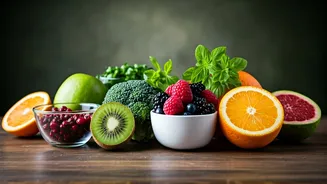
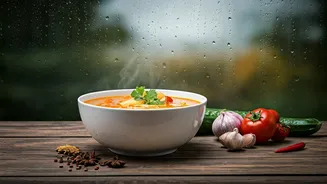
This is the perfect season for warm, comforting, and easy-to-digest meals. A bowl of hot soup, packed with vegetables and spices, is not only satisfying but also hydrating and nutritious. [7] Incorporate immune-boosting spices like turmeric, ginger, garlic, and pepper into your cooking. [6, 17] Turmeric is a natural antibiotic, and ginger can aid digestion. [2, 12] Herbal teas made with ingredients like tulsi and ginger can help keep colds and flu at bay while keeping you warm. [7] Opt for seasonal fruits like apples, pomegranates, and pears, which are rich in antioxidants and help strengthen your immune system. [5, 7]
Smart Swaps for a Healthy Monsoon
A few simple swaps can make a huge difference. Instead of heavy, deep-fried pakoras, try making baked or air-fried versions at home. [12] Choose curd and other probiotics over milk, as they are easier to digest and support gut health. [5] Limit your intake of seafood, as this is the breeding season, and the risk of contamination is higher. [3, 4] Stay hydrated by drinking boiled or filtered water, and avoid cold beverages which can weaken the digestive system. [2] Instead of reaching for processed snacks, munch on dry fruits, nuts, or roasted chickpeas. [7]