




Ventilation: The Power of Fresh Air
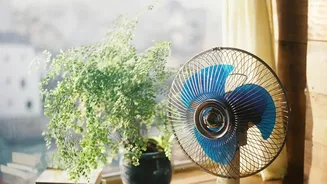
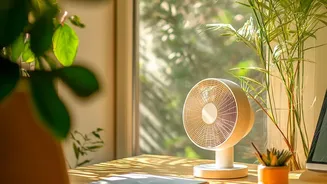
At its core, ventilation is simple: it's the process of replacing stale, polluted indoor air with fresh air from outside. The easiest way to do this is by opening windows and doors. Mechanical methods, like using exhaust fans in your kitchen and bathroom,
also fall under this category. Ventilation is highly effective at reducing the build-up of pollutants that are generated indoors, such as carbon dioxide from breathing, moisture from showering, and fumes from cooking. The biggest advantage is that it's often free. However, ventilation has a major drawback: it's only as good as the outdoor air. If you live in an area with heavy traffic, high pollen counts, or seasonal smog, opening your windows can sometimes make your indoor air quality worse, not better.
Filtration: Mechanically Cleaning the Air
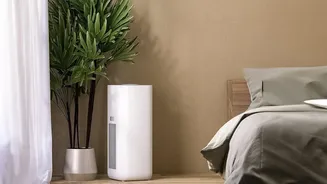
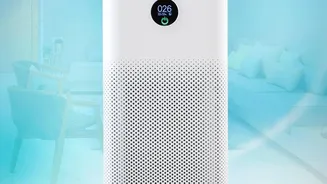
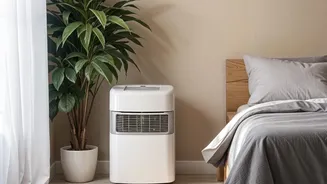
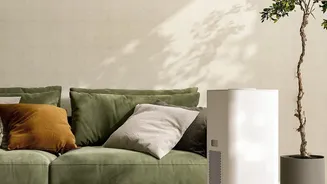
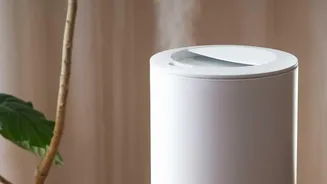
Filtration, on the other hand, doesn't bring in new air; it cleans the air that's already in the room. This is the principle behind most portable air purifiers. These devices pull in room air and pass it through a series of filters to trap contaminants. The two most important types of filters to know about are HEPA and activated carbon. A true HEPA (High-Efficiency Particulate Air) filter is a physical barrier made of dense fibres that captures at least 99.97% of airborne particles like dust, pet dander, pollen, mould spores, and even some bacteria and viruses. Activated carbon filters work differently. They are porous and adsorb gases and odours that a HEPA filter can't catch, such as Volatile Organic Compounds (VOCs) from paint, cleaning products, and furniture, as well as cooking or smoke smells. For comprehensive cleaning, you often need both.
The Truth About Houseplants
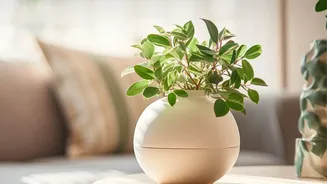
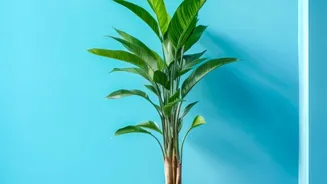
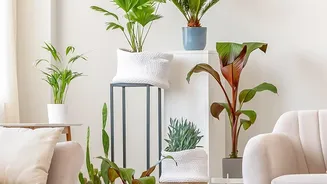
This brings us to houseplants, often touted as 'natural air purifiers'. This popular belief stems largely from a 1989 NASA study which found that plants could remove VOCs from the air. However, there's a crucial catch: the study was conducted in small, sealed laboratory chambers to simulate a space station. Our homes are not sealed chambers. Subsequent research has shown that in a typical room with normal air exchange, the cleaning effect of plants is negligible. While plants do absorb some pollutants, their removal rate is so slow that it can't compete with basic ventilation or a mechanical air purifier. One analysis concluded you would need between 100 to 1,000 plants per square metre to achieve the same air-cleaning effect as a standard building's ventilation system. While they may not be effective purifiers, plants do offer proven psychological benefits and add beauty to a space.
So, Which Is Best for Your Home?
There is no single 'best' solution, as each method tackles a different problem. Ventilation is for getting fresh air in and flushing out accumulated indoor gases like CO2. Filtration is for actively removing harmful particles and chemicals from the air that is already inside. Houseplants are for aesthetics and mental well being, not for meaningful air purification. An air purifier can't lower CO2 levels in a stuffy room, and opening a window won't trap fine particulate matter if the air outside is polluted. Therefore, relying on just one method leaves you exposed to other types of pollutants.
A Layered Strategy for Cleaner Air
The most effective approach is a layered one that combines all three strategies. Start by controlling pollution at the source: use low-$VOC$ products, ensure gas appliances are well maintained, and avoid artificial air fresheners. Next,' practice smart ventilation by opening windows when the outdoor air quality is good.' Use your kitchen and bathroom exhaust fans to remove moisture and cooking pollutants directly.' For targeted cleaning,' especially in bedrooms or if you live in a polluted area,' a good quality air purifier with both HEPA and activated carbon filters is an invaluable tool.' Finally,' fill your home with houseplants.' Don't expect them to scrub the air,' but enjoy them for the life,' colour,' and sense of well being they bring to your environment.