






An Unsettled Weather Outlook
The India Meteorological Department (IMD) has forecast the onset of the northeast monsoon around October 15, bringing widespread, heavy to very heavy rainfall to India's southern peninsula. States including Kerala, Tamil Nadu, and parts of Karnataka and Andhra
Pradesh are expected to experience significant downpours, thunderstorms, and gusty winds over the next several days. In Kerala, an orange alert, indicating 'very heavy rainfall,' has been issued for four districts, including Pathanamthitta and Idukki, with yellow alerts in eight others. The IMD has advised residents and travellers to remain alert for potential waterlogging, flash floods, and travel disruptions. Authorities are urging the public to avoid unnecessary travel during severe weather and to stay away from low-lying or flooded areas.
Railways: Monitor Schedules and Expect Delays
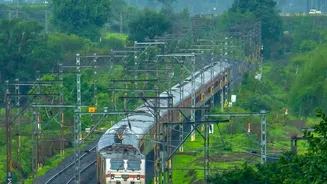
Southern Railway and South Central Railway are closely monitoring the impact of the weather on their networks. While no widespread, pre-emptive cancellations have been announced, passengers are strongly advised to check the status of their trains before heading to the station. Heavy rainfall can affect track visibility and integrity, leading to potential speed restrictions and delays. In the past, severe weather has caused fallen trees and debris to obstruct tracks, requiring inspection and clearance crews to be on standby. Travellers should check official railway websites, social media channels, and the National Train Enquiry System (NTES) for the most current information on train schedules, diversions, or cancellations. During periods of intense rain, it is also wise to allow for extra time to get to and from railway stations due to likely road congestion and waterlogging in surrounding areas.
State Buses: Navigating Regional Road Conditions
State-run road transport corporations (RTCs) like the Kerala State Road Transport Corporation (KSRTC) and corresponding services in Tamil Nadu and Karnataka form the backbone of regional travel. These operators have advised that services will continue as long as road conditions are deemed safe. However, routes passing through low-lying areas, ghat sections, or regions prone to landslides may be temporarily suspended or rerouted with little notice. KSRTC in Kerala has previously had to dismiss rumours of widespread cancellations, assuring the public that services operate normally where possible but that safety remains the priority. Passengers planning intercity or rural bus travel should anticipate potential delays and check with their local depot or the official RTC websites for real-time updates on specific routes before commencing their journey.
Air Travel: Check Flights and Arrive Early
Major airports in the south, including those in Chennai (MAA), Bengaluru, and Kochi, are preparing for potential disruptions. While airports generally remain operational during heavy rain, associated thunderstorms and strong winds can cause flight delays, diversions, or cancellations. Airlines will make decisions based on immediate weather conditions and safety protocols. Passengers flying into or out of the affected regions are urged to check their flight status directly with the airline before leaving for the airport. Waterlogging on access roads to airports can also cause significant traffic delays, so it is advisable to allow for much more travel time than usual to ensure you reach the terminal well ahead of your departure.
Key Safety Advice for All Travellers
Across all modes of transport, the core advice from authorities is consistent: prioritise safety and stay informed. Before starting any journey, verify your travel plans through official channels. The National Disaster Response Force (NDRF) has pre-positioned teams in vulnerable areas for rapid response to floods or landslides. For those driving, the guidance is clear: do not attempt to drive through waterlogged roads. Reduced visibility and the risk of hydroplaning make driving extremely hazardous during intense downpours. It is also recommended to avoid standing near trees or power poles during thunderstorms. Keep a charged phone and a power bank with you, and inform family or friends of your travel itinerary. Following official weather alerts and advisories from transport operators is the most reliable way to navigate the region safely during this period of heavy rain.