


Why Cats Crave Height
Have you ever found your cat perched atop a bookshelf, refrigerator, or the highest point of a wardrobe? This isn't just a quirky habit; it's a deep-seated instinct. In the wild, cats are both predators and prey. Height offers a strategic advantage. From
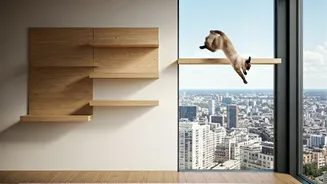
a high vantage point, a cat can survey its territory for potential threats and opportunities (like an unsuspecting toy mouse or your feet). It provides a sense of security and control. For indoor cats, this instinct doesn't disappear. Providing vertical space is not just a luxury; it's a way to cater to their fundamental psychological needs, making them feel safer and more confident in their environment.
The Rise of the Cat Superhighway
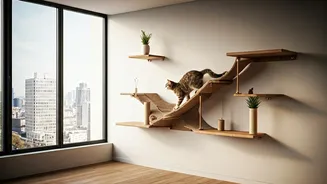
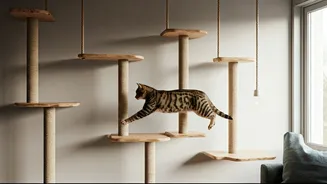
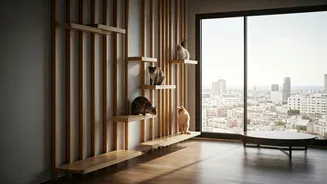
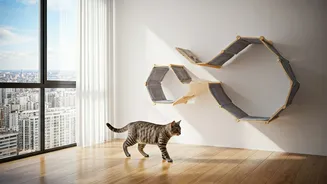
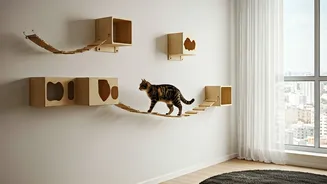
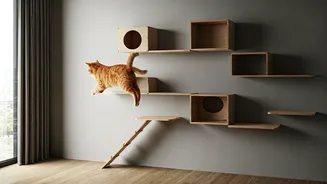
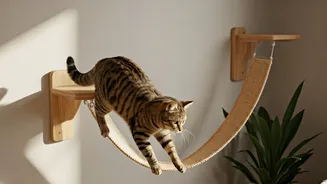
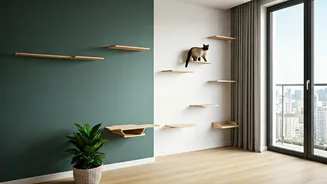
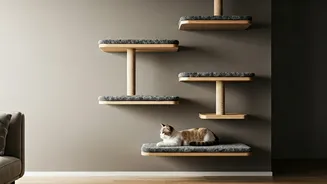
Traditional cat trees are a great start, but they create isolated islands of height. Modern cat owners are taking this a step further by creating 'cat superhighways'—interconnected pathways of shelves, perches, and bridges that line the walls of a room. The crown jewel of these systems is often the vertical wall bridge. These suspension bridges, typically made of wood planks connected by rope, allow cats to traverse open spaces between shelves or high points. They transform your walls into a dynamic, three-dimensional playground, encouraging movement and exploration far beyond what the floor can offer. It’s the ultimate expression of a cat-centric home.
Benefits Beyond the Climb
Investing in a wall bridge system does more than just look cool. It offers tangible benefits for your cat’s health and well-being. Firstly, it provides crucial physical exercise. Climbing, balancing, and jumping along the wall-mounted route helps keep your cat lean and agile, preventing obesity-related health issues. Secondly, it’s a powerful tool for mental stimulation. Navigating the path requires focus and problem-solving, which combats boredom—the root of many feline behavioural problems like excessive vocalisation or destructive scratching. In multi-cat households, vertical space also helps establish social hierarchy and provides escape routes, reducing conflict and stress among pets.
Choosing Your Bridge System
When you start browsing, you'll find a variety of bridge systems. The most common are rope bridges, which have a bit of sway and offer a fun balancing challenge. Solid or semi-rigid bridges offer more stability for timid or older cats. Consider the materials carefully. Look for solid wood (like pine or birch) over particleboard for durability. The rope should be sturdy and pet-safe, like sisal or cotton. Also, think about the aesthetic. Many modern systems are beautifully designed, with sleek lines and natural finishes that can complement your home decor rather than clash with it. Measure your space and choose a bridge length that comfortably spans the gap you want to cover.
Planning Your Cat's Wall-Top World
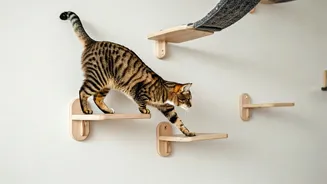
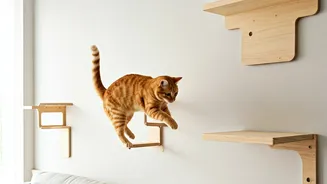
Successful installation starts with a good plan. Don't just hang a bridge in isolation. Think about the entire route. Where does it start and end? A good superhighway has multiple access points, like a sturdy shelf or a cat tree. Map out a path that flows naturally around the room, perhaps leading to a favourite window perch or a cosy wall-mounted hammock for napping. Safety is paramount. Always mount shelves and bridges directly into wall studs for maximum stability. Use a stud finder to locate them. If you’re not confident in your DIY skills, consider hiring a professional. Ensure the components are spaced appropriately to allow for safe and comfortable jumps.
Encouraging a Cautious Climber
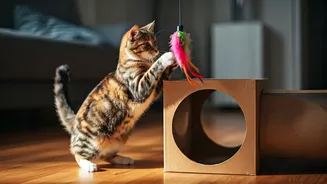
Don't be discouraged if your cat doesn't immediately take to their new aerial playground. Cats can be wary of new things in their territory. Introduce them to the system slowly. Let them sniff and explore the components on the floor before you install them. Once installed, use positive reinforcement. Place their favourite treats or a sprinkle of catnip along the pathway to entice them. Use a feather wand or laser pointer to guide them across the bridge. Never force your cat onto the furniture. With patience and encouragement, their natural curiosity and instinct to climb will take over.